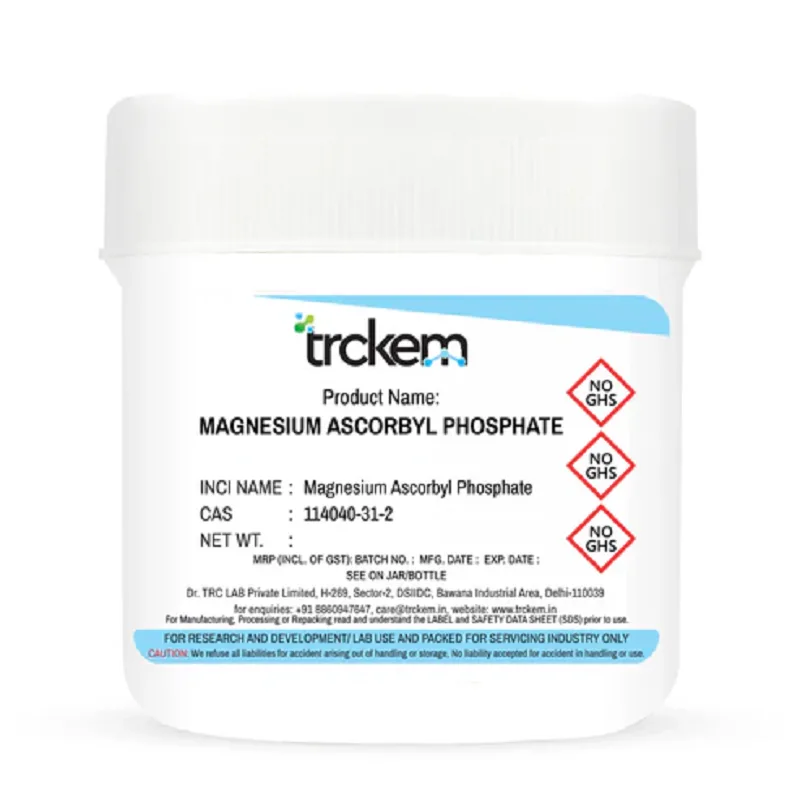
Skincare ingredients come and go, but a few continue to earn trust because they actually work. Magnesium Ascorbyl Phosphate is one of those ingredients quietly becoming a favorite in modern skincare formulas. Known as a stable form of Vitamin C, it offers the brightening and anti-aging benefits people want without causing the irritation often linked with traditional Vitamin C products.
Many skincare brands and cosmetic manufacturers now prefer Magnesium Ascorbyl Phosphate because it remains stable for longer and performs well in creams, lotions, and serums. Whether someone wants brighter skin, improved texture, or support against environmental damage, this ingredient has become an important part of advanced skincare formulations.
What Is Magnesium Ascorbyl Phosphate?
Magnesium Ascorbyl Phosphate, often shortened as MAP, is a water-soluble derivative of Vitamin C. It is created by combining ascorbic acid with magnesium and phosphate groups to improve stability and reduce oxidation.
Traditional Vitamin C can break down quickly when exposed to light or air. That instability often reduces product effectiveness. MAP solves this issue by staying active for longer periods, making it easier for cosmetic brands to formulate reliable skincare products.
It is commonly used in:
- Face serums
- Brightening creams
- Anti-aging products
- Sunscreen formulations
- Moisturizers
- Sensitive skin products
Because of its gentle nature, it suits a wider range of skin types compared to pure ascorbic acid.
Why Magnesium Ascorbyl Phosphate Is Popular in Skincare
Consumers today are more aware of ingredient quality than ever before. People no longer want harsh skincare products that create redness or peeling. They prefer ingredients that deliver visible results while remaining comfortable on the skin.
That’s where Magnesium Ascorbyl Phosphate stands out.
Gentle Yet Effective
Many Vitamin C products can sting sensitive skin. MAP offers a milder experience while still helping improve skin tone and texture.
Supports Collagen Production
Collagen is essential for maintaining firm and youthful-looking skin. Magnesium Ascorbyl Phosphate helps support collagen synthesis, which may reduce the appearance of fine lines over time.
Helps Brighten Dull Skin
Uneven skin tone and dark spots are common skincare concerns. MAP is widely used in brightening formulations because it helps promote a more radiant appearance.
Better Stability
One major challenge with Vitamin C formulations is oxidation. MAP remains more stable during storage and use, making it a practical choice for cosmetic manufacturers.
Common Applications of Magnesium Ascorbyl Phosphate
The cosmetic and personal care industry uses Magnesium Ascorbyl Phosphate in many different product categories. Its versatility allows formulators to create products for both daily skincare and professional use.
Anti-Aging Formulations
Many anti-aging creams include MAP because it supports smoother and healthier-looking skin.
Brightening Products
Skincare brands often add this ingredient to products designed to reduce dullness and uneven pigmentation.
Sun Care Products
Some sunscreen formulations use Magnesium Ascorbyl Phosphate because antioxidants can help protect the skin from environmental stress.
Hydrating Creams and Lotions
Its compatibility with moisturizing ingredients makes it suitable for hydrating skincare products.
For businesses looking for high-quality cosmetic ingredients, sourcing reliable Magnesium Ascorbyl Phosphate from trusted manufacturers is important for product consistency and performance.
Benefits for Cosmetic Manufacturers
The demand for clean and stable skincare ingredients continues to grow. Cosmetic manufacturers prefer ingredients that not only perform well but also simplify formulation processes.
Magnesium Ascorbyl Phosphate offers several advantages for product developers:
- Improved shelf stability
- Easier formulation in water-based products
- Compatibility with sensitive skin formulations
- Lower risk of oxidation
- Suitable for premium skincare lines
Manufacturers focused on quality skincare ingredients often choose Magnesium Ascorbyl Phosphate because it supports both product performance and consumer satisfaction.
Businesses searching for a dependable source of Magnesium Ascorbyl Phosphate often prioritize purity standards, consistency, and supplier reliability when selecting raw material partners.
How to Choose Quality Magnesium Ascorbyl Phosphate
Not all cosmetic raw materials deliver the same quality. Choosing the right supplier plays a major role in the final performance of skincare products.
Here are a few things manufacturers usually consider:
Purity Standards
High-purity ingredients help maintain product effectiveness and stability.
Manufacturing Consistency
Consistent quality batches reduce formulation issues during production.
Technical Support
Reliable suppliers provide proper documentation and formulation guidance when needed.
Industry Compliance
Working with suppliers that follow cosmetic industry standards ensures safer product development.
Many skincare businesses now prefer suppliers that specialize in cosmetic-grade ingredients and maintain strong quality control systems.
The Future of Vitamin C Skincare Ingredients
The skincare market continues to shift toward ingredients that balance performance with skin compatibility. Magnesium Ascorbyl Phosphate fits perfectly into this trend because it offers the benefits of Vitamin C without many of the common drawbacks.
As consumers become more ingredient-conscious, the demand for stable and gentle antioxidants is expected to grow. Cosmetic brands are increasingly focusing on formulations that support long-term skin health rather than temporary results.
This growing interest is one reason why Magnesium Ascorbyl Phosphate continues to gain attention across global skincare and cosmetic industries.
Final Thoughts
Magnesium Ascorbyl Phosphate has become an important ingredient in modern skincare because of its stability, gentle nature, and effectiveness. From brightening creams to anti-aging serums, it offers versatility that benefits both skincare brands and consumers.
Its ability to provide Vitamin C benefits with improved formulation stability makes it a valuable choice for cosmetic manufacturers looking to create reliable and skin-friendly products. As the skincare industry continues evolving, ingredients like Magnesium Ascorbyl Phosphate are likely to remain in strong demand for years to come.