Engineering has changed considerably over the years. The field is no longer limited to designing machines, constructing buildings or working with electrical systems. Developments in computing, artificial intelligence, semiconductor technology, data analysis and connected systems have created new areas of study while continuing to expand the role of traditional engineering disciplines.
For students planning higher education, this change can make the process of understanding engineering more interesting but also more complex. It is useful to understand what a subject involves, how it connects with other fields and what kind of academic work students may ensure during the course.
From Traditional Fields to New Technology Areas
Core engineering subjects continue to have an important place in higher education. Civil Engineering introduces areas related to structures, construction, transportation, environmental systems and infrastructure. Mechanical Engineering deals with machines, manufacturing processes, thermal systems and design. Electrical and Electronics Engineering covers electrical power, control systems and electronic applications, while Electronics and Communication Engineering explores communication, signal processing and electronic systems.
Alongside these established areas, newer programmes have developed around the rapid growth of digital technology. Artificial intelligence, data science, machine learning and semiconductor technologies now represent specialised areas with their own concepts, tools and applications.
This does not mean that the boundaries between disciplines have disappeared. Instead, they increasingly overlap. A modern product or system may involve mechanical components, electronic circuits, software, data processing and communication technologies. Understanding these connections can give students a broader view of how engineering is used outside a single subject area.
The Role of Projects in Technical Education
Projects are an important part of many engineering programmes because they require students to bring together knowledge from different subjects. A project may begin with identifying a problem and continue through research, planning, design, testing and documentation.
The value of project work is not simply the final result. Students also learn how to divide a larger problem into manageable tasks, investigate possible solutions and explain technical decisions. Working in teams can introduce another dimension, as students need to communicate ideas, share responsibilities and manage deadlines.
Such activities can make academic subjects easier to relate to real situations. A programming concept, electronic principle or engineering calculation can take on a different meaning when it becomes part of a larger working system.
Learning to Work With Technical Tools
Technology-based education also involves becoming familiar with the tools used within a particular discipline. Depending on the programme, students may work with programming environments, simulation software, measurement instruments, design tools, electronic components or specialised laboratory equipment.
The purpose is not simply to learn how to operate a particular tool. Students need to understand why a tool is appropriate for a task and how its results should be interpreted. This distinction between using technology and understanding its application is an important part of technical education.
Laboratory exercises, demonstrations, assignments and technical activities can provide different ways of developing this understanding. They allow students to move between theoretical concepts and practical situations at different stages of their studies.
Choosing a Subject With Long-Term Interests in Mind
The broad range of engineering subjects means that students do not necessarily need to follow the same academic route as their friends or classmates. Someone interested in physical infrastructure may find Civil Engineering more relevant, while another student may prefer software, intelligent systems, electronics or mechanical design.
It is therefore useful to examine the actual subjects included in a programme before making a decision. The curriculum, laboratory component, project requirements, higher-study opportunities and nature of the discipline can provide more meaningful information than the course title alone.
Students can also consider how their interests may develop over time. An undergraduate programme is only one stage of education, and postgraduate study can provide an opportunity to specialise further in a particular area.
Continuing Into Specialised Study
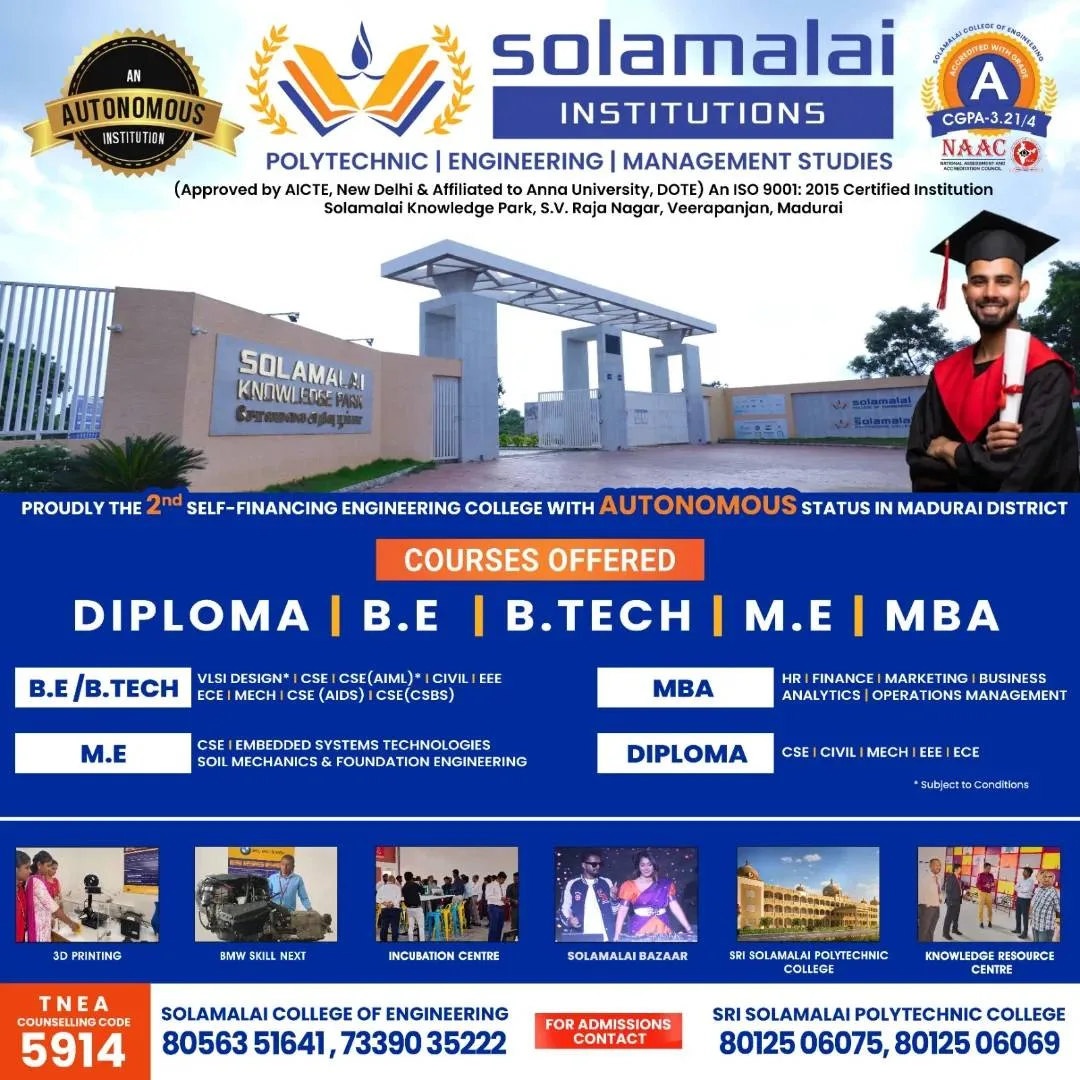
Advanced study can allow graduates to move deeper into a technical field. Areas such as Computer Science and Engineering, Embedded Systems and Soil Mechanics & Foundation Engineering require more focused study after the undergraduate level.
Management education provides another direction. MBA specialisations such as Human Resource Management, Financial Management, Marketing, Operations Management and Business Analytics introduce students to organisational and business functions. For some graduates, combining technical education with an understanding of management can form part of their longer-term academic development.
Understanding the Wider Academic Experience
An engineering degree is made up of many elements rather than one type of activity. Lectures introduce concepts, laboratories allow students to examine them in practice, projects require application, and technical activities can expose learners to topics beyond their regular syllabus.
Academic institutions may also provide seminars, knowledge resources, specialised facilities and opportunities for interaction with professionals or organisations. These elements can complement the formal curriculum without replacing the importance of strong subject knowledge.
For students researching engineering education, looking at these different components can help them form a realistic picture of college life. It also encourages them to consider what they want from their education rather than relying entirely on general descriptions or rankings.
A Broader View of Engineering
The growth of new technologies has not made traditional engineering subjects less relevant. Instead, it has created more connections between different branches. Engineers increasingly work in environments where knowledge from multiple disciplines may be required to understand a problem or develop a solution.
Solamalai College of Engineering provides programmes across engineering, technology and management, including undergraduate, postgraduate and MBA study options. Established in 1995, the autonomous institution provides an academic setting where students can pursue different fields according to their interests and educational plans.
The subjects studied, type of academic work, opportunities for projects, available resources and possibilities for further education all contribute to the overall experience. Taking time to examine these aspects can help students approach higher education with clearer expectations and a better understanding of the field they intend to enter.
Learn More: https://www.solamalaice.ac.in/