
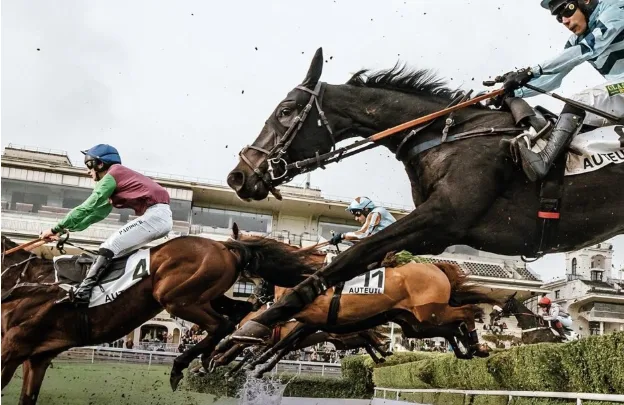
Horse racing has been an important part of India's sporting heritage for more than two centuries, bringing together tradition, athletic excellence, and competitive spirit. At the heart of this legacy is the Madras Race Club, one of the oldest and most respected racing institutions in the country. Established to promote organized thoroughbred racing, the club has played a pivotal role in shaping India's horse racing culture while preserving the traditions of one of the nation's earliest racecourses. Today, the Madras Race Club continues to be recognized for its contribution to the growth of Indian horse racing, attracting enthusiasts, trainers, jockeys, and owners who appreciate the sport's rich history and structured competition.
The History of Madras Race Club
The origins of horse racing in Chennai date back to 1777 with the establishment of the historic Guindy Race Course, making it the oldest racecourse in India. The Madras Race Club was officially constituted in 1837, making it the oldest horse racing club in South Asia. Throughout its long history, the club has experienced periods of interruption and revival, eventually developing into one of India's principal turf authorities responsible for organizing professional horse racing.
Over the decades, the club has maintained high standards of race management while adapting to the evolving needs of the sport.
Why Madras Race Club Holds Historical Importance
The club occupies a unique position in Indian horse racing due to its long-standing contribution to the sport.
Some of its notable characteristics include:
- One of India's oldest racing institutions
- Historic association with Guindy Race Course
- Structured seasonal racing calendar
- Competitive thoroughbred racing
- Professional race management
- Significant contribution to Indian racing heritage
These qualities have helped preserve its status as one of the country's most respected racing organizations.
How Horse Racing Competitions Are Organized
Modern horse racing follows carefully regulated systems designed to ensure fairness and competitiveness.
Race conditions are determined using factors such as:
- Horse age
- Official handicap ratings
- Assigned racing weights
- Distance of the race
- Track conditions
- Competition class
These guidelines create balanced races while allowing horses of similar ability to compete fairly.
The Professionals Behind Every Race
Successful horse racing depends on the coordinated efforts of numerous professionals working behind the scenes.
These include:
- Horse owners
- Trainers
- Licensed jockeys
- Stable staff
- Veterinarians
- Racing officials
Each individual contributes to horse preparation, race management, and maintaining the integrity of the sport.
Seasonal Racing and Competitive Development
Seasonal racing plays an important role in developing both experienced racehorses and emerging talent. Different racing seasons expose horses to varying conditions, allowing trainers to evaluate performance, stamina, and adaptability.
The Madras Race Club continues to organize structured race meetings that provide opportunities for horses to compete across multiple race categories while maintaining consistent competition standards. These seasonal events also strengthen India's interconnected racing circuit by encouraging participation from various regions.
Horse Welfare and Modern Racing Practices
Horse welfare has become a central focus of modern racing organizations. Veterinary supervision, fitness monitoring, regulated training schedules, and race-day inspections all contribute to maintaining the health and safety of participating horses.
Professional racing authorities continue to strengthen welfare practices through regular oversight, ensuring that horses compete under suitable conditions while protecting their long-term well-being.
The Future of Indian Horse Racing
India's horse racing industry continues to evolve through improved race management, breeding programs, technological advancements, and enhanced welfare standards. Historic institutions remain essential in preserving the traditions of the sport while embracing modern practices that benefit participants and spectators alike.
As racing continues to grow, established clubs contribute significantly to maintaining competitive standards and encouraging the next generation of racing professionals.
Conclusion
The Madras Race Club remains a cornerstone of Indian horse racing, preserving a legacy that stretches back nearly two centuries while continuing to support organized and competitive thoroughbred racing. For enthusiasts interested in experiencing this rich equestrian heritage firsthand, attending a horse race in Chennai offers an opportunity to witness one of the country's oldest and most enduring sporting traditions. Its commitment to tradition, professional race management, and horse welfare has secured its place among India's most respected racing institutions.