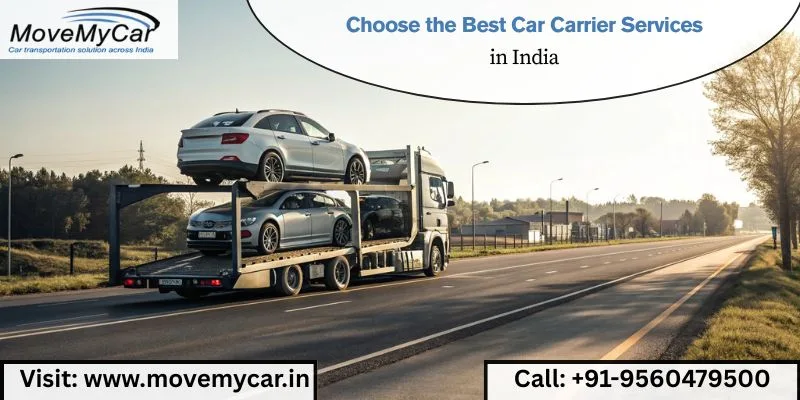
When you spend heavily on a premium vehicle, protecting its exterior during transportation becomes just as important as choosing a reliable transport service. Car Transportation in India can expose a vehicle to dust, road debris, moisture, accidental scratches, and other environmental conditions during loading, transit, and unloading. For luxury and high-end cars, even minor paint damage can affect the vehicle's appearance and potentially lead to expensive repairs.
Paint protection should therefore be considered before the vehicle leaves its current location rather than after it reaches the destination.
Why Luxury Cars Need Extra Paint Protection
Luxury vehicles often feature high-quality paint finishes that contribute significantly to their appearance. Some may also have special finishes, metallic effects, ceramic coatings, or other exterior treatments.
During transportation, the vehicle may encounter dust and debris that settle on its surface. If the car is cleaned or handled incorrectly afterward, these particles can contribute to surface scratches or swirl marks.
The objective of additional protection is not simply to cover the vehicle but to minimize opportunities for exterior damage throughout the transportation process.
Best Ideas for Luxury Car Pain Protection During Transportation
1. Start With a Pre-Transport Inspection
Before handing over your vehicle, inspect its exterior carefully. Look at the bonnet, roof, doors, bumpers, mirrors, wheels, and other visible areas.
Take clear photographs from multiple angles and record any existing scratches, dents, paint chips, or other marks. This creates a useful reference for checking the vehicle after delivery.
For an expensive vehicle, a more detailed condition report may also be worthwhile.
2. Consider a Protective Exterior Cover
A suitable vehicle cover can protect the paint from dust and environmental exposure during transportation. However, the cover should fit appropriately and should not rub aggressively against the vehicle's surface.
Using a poor-quality or improperly fitted cover can potentially create its own problems, particularly if dust becomes trapped between the cover and the paint.
Ask the transporter what type of exterior protection they recommend for your particular vehicle.
3. Protect Vulnerable Exterior Areas
Certain parts of a luxury vehicle may be more exposed to accidental contact during loading and unloading. Mirrors, bumpers, door edges, handles, and other protruding components deserve additional attention.
Temporary protective materials can help reduce the possibility of minor scratches or contact damage during handling.
The protection method should be suitable for the vehicle's paint and finish and should be applied without leaving adhesive residue or causing surface damage.
4. Check Whether the Vehicle Has Existing Paint Protection
If your car already has a ceramic coating, paint protection film, or another professional exterior treatment, inform the transportation company before the vehicle is collected.
Existing protection can help preserve the finish, but it should not be treated as a substitute for careful transportation.
Paint protection film, for example, can provide an additional barrier against certain forms of physical contact, while ceramic coatings may provide protection against environmental contaminants. Their benefits depend on the condition and type of treatment already installed.
5. Avoid Unnecessary Washing Before Transit
Washing the vehicle before transportation may seem like a good way to prepare it, but aggressive cleaning or polishing immediately before transit is not always necessary.
If the vehicle is cleaned, use an appropriate method that does not leave the paint vulnerable to scratches. The most important step is ensuring that the vehicle is properly protected before loading.
A post-delivery professional wash or inspection can then be considered once the vehicle reaches its destination.
6. Pay Attention to Loading and Unloading
Paint protection is not useful if the vehicle is handled carelessly during loading.
The transporter should use appropriate equipment and procedures to move the car onto the carrier while minimizing unnecessary contact. During unloading, the same care should be maintained.
Ask how the vehicle will be loaded, secured, and unloaded before confirming transportation.
7. Think About Weather and Transit Conditions
Long-distance transportation can expose a vehicle to different weather conditions. Rain, dust, intense sunlight, humidity, and road debris can all affect the exterior.
For luxury cars, discuss whether the vehicle will be transported in an enclosed carrier or an open carrier. Enclosed transportation can provide greater protection from direct environmental exposure, although availability and cost can vary.
The right option depends on the vehicle's value, route, budget, and desired level of protection.
What Should You Do After Delivery?
Do not immediately assume that a dusty vehicle has suffered paint damage. First inspect the exterior in good lighting and compare it with your pre-transport photographs.
Check the bonnet, roof, sides, bumpers, mirrors, wheels, and other exposed areas. Look for new scratches, chips, dents, or unusual marks.
If you identify a potential issue, document it clearly and contact the transportation provider according to the terms agreed before the move.
Is Luxury Paint Protection Worth the Additional Cost?
For an ordinary vehicle, basic exterior protection may be sufficient for many transportation requirements. For a luxury or collectible vehicle, however, the cost of additional protection can be easier to justify.
A high-end car may have an expensive paint finish, specialized detailing, or an exterior treatment that would be costly to repair or restore. Spending more on appropriate transportation and protection can therefore reduce the risk of larger expenses later.
The key is to choose protection based on the actual value and requirements of the vehicle rather than paying for unnecessary add-ons.
Conclusion
Luxury vehicles deserve additional attention during transportation because their exterior finishes can be expensive and difficult to restore. Pre-transport inspection, suitable covers, careful loading, weather protection, and proper post-delivery checks can all help minimize paint-related risks. When comparing car carrier services in India, ask specifically how the vehicle's exterior will be protected throughout the journey rather than assuming standard transportation automatically includes luxury-level paint protection.