Creating a personal fitness space at home is no longer just about convenience—it’s about crafting an environment that motivates, energizes, and supports your lifestyle. A thoughtfully designed home gym blends comfort, aesthetics, and functionality, turning everyday workouts into an enjoyable experience. Whether you’re starting from scratch or upgrading an existing setup, investing in a luxury home gym design can redefine how you approach fitness.
In this article, we’ll explore how to design a premium home workout space while also drawing inspiration from commercial gym floor plans to maximize efficiency and style.
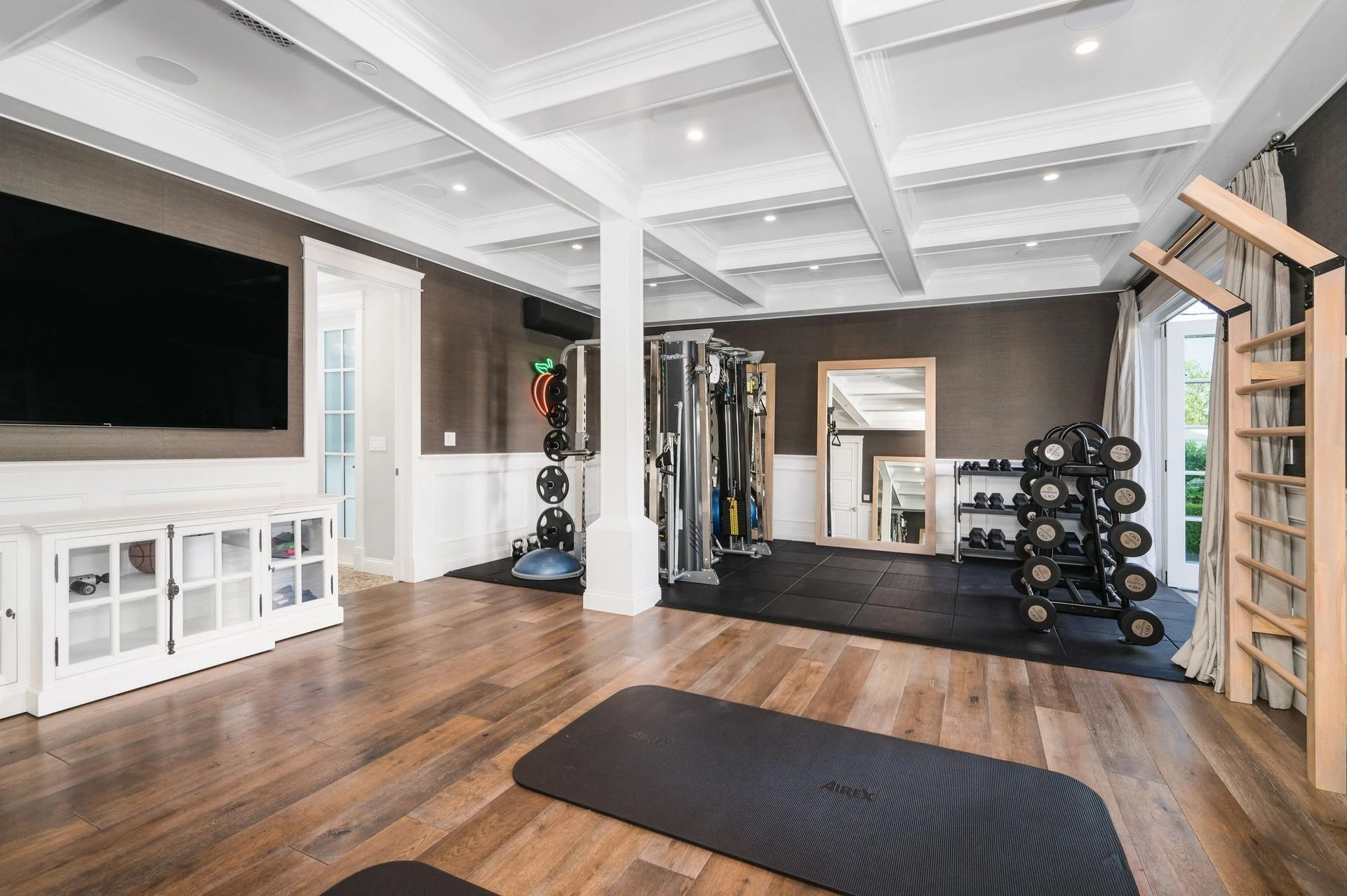
Why a Luxury Home Gym Is Worth It
A home gym offers unmatched convenience. No commuting, no waiting for equipment, and complete privacy. But beyond these practical benefits, a well-designed space can significantly boost motivation.
Luxury doesn’t necessarily mean expensive—it means thoughtful design, high-quality materials, and a layout that works seamlessly for your routine. When your gym feels inviting and personalized, you’re more likely to stay consistent with your fitness goals.
Planning Your Home Gym Layout
Define Your Fitness Goals First
Before choosing equipment or décor, identify how you plan to use the space. Are you focused on strength training, cardio, yoga, or a mix of everything?
Your goals will determine:
- The type of equipment needed
- Space allocation
- Flooring requirements
- Lighting and ambiance
Having clarity at the beginning helps avoid clutter and ensures a purposeful design.
Divide the Space into Zones
One of the smartest strategies borrowed from commercial gym floor plans is zoning. Even in a small area, dividing your gym into sections creates structure and improves workflow.
Common zones include:
- Cardio Area (treadmill, bike)
- Strength Training Area (weights, racks)
- Flexibility Zone (yoga or stretching space)
This layout keeps your gym organized and enhances usability.
Choosing the Right Equipment
Invest in Quality Over Quantity
A luxury home gym focuses on fewer, high-quality pieces rather than overcrowding the space. Choose equipment that is durable, versatile, and aligned with your goals.
Examples include:
- Adjustable dumbbells
- Multi-functional machines
- Foldable cardio equipment
This approach ensures longevity and maintains a clean, premium look.
Keep It Functional and Minimal
Too much equipment can make the space feel cramped. A minimalist setup not only looks better but also makes movement easier.
Think about how each piece contributes to your routine before adding it.
Flooring: The Foundation of Comfort
Flooring plays a crucial role in both safety and aesthetics. It protects your joints, reduces noise, and enhances the overall feel of the space.
Popular options include:
- Rubber flooring for durability
- Foam mats for flexibility exercises
- Wooden flooring for a sleek, studio-like look
A good floor creates a solid base for every workout.
Lighting and Ambiance Matter
Use Natural Light Whenever Possible
Natural light can instantly elevate your mood and make the space feel more open. If your gym has windows, position equipment to take advantage of daylight.
Add Layered Lighting
Combine different types of lighting to create the right atmosphere:
- Bright lights for high-energy workouts
- Soft lighting for yoga or recovery sessions
Lighting can completely change how your gym feels during different activities.
Mirrors: More Than Just Aesthetic
Mirrors are a staple in both home and commercial gyms. They:
- Help maintain proper form
- Make the space appear larger
- Reflect light for a brighter environment
Strategically placing mirrors can enhance both functionality and design.
Smart Storage Solutions
Clutter can ruin even the most beautiful gym. Smart storage keeps everything organized and easy to access.
Consider:
- Wall-mounted racks for weights
- Shelves for accessories
- Hidden storage cabinets
A clean space promotes focus and efficiency.
Incorporating Technology
Modern home gyms often include smart features that enhance workouts.
Options include:
- Fitness apps and virtual trainers
- Built-in speakers for music
- Screens for guided sessions
Technology adds convenience and makes workouts more engaging.
Inspiration from Commercial Gym Floor Plans
Commercial gyms are designed for efficiency, flow, and safety. Applying similar principles at home can make a big difference.
Key takeaways:
- Clear pathways to move freely
- Logical equipment placement to avoid crowding
- Balanced spacing between workout zones
Even in a smaller space, these elements improve usability and comfort.
Personalizing Your Space
A luxury gym should reflect your personality. Adding personal touches makes the space more inviting and enjoyable.
Ideas include:
- Motivational quotes or artwork
- Plants for a fresh, calming vibe
- A color scheme that energizes you
When your gym feels like your own, it becomes a place you want to spend time in.
Creating a Multi-Functional Space
If space is limited, your gym can serve multiple purposes. With smart planning, it can double as:
- A meditation area
- A stretching or recovery zone
- A wellness corner
Flexibility ensures you get the most out of your space without compromising on design.
Conclusion: Design That Inspires Consistency
A well-designed home gym goes beyond aesthetics—it supports your lifestyle and fitness journey. By combining the elegance of luxury home gym design with the efficiency of commercial gym floor plans, you can create a space that is both functional and inspiring.
Remember, the best gym is one that encourages you to show up consistently. When your environment feels right, staying active becomes a natural part of your daily routine.
Frequently Asked Questions (FAQ)
Q1: How much space do I need for a home gym?
You can start with a small area, even a spare room or corner, as long as it fits your essential equipment and allows movement.
Q2: What is the most important feature in a home gym?
A well-planned layout is key. It ensures safety, comfort, and efficient use of space.
Q3: Can I create a luxury gym on a budget?
Yes. Focus on quality equipment, smart design, and minimal clutter rather than expensive additions.
Q4: Why are commercial gym layouts useful for home gyms?
They provide ideas for organization, spacing, and efficient workflow, even in smaller spaces.
Q5: How do I stay motivated to use my home gym?
Create a space that feels inviting, personalize it, and keep it organized to make workouts enjoyable.