Glaucoma is often called the “silent vision thief” because it can damage eyesight slowly without noticeable warning signs. Many people continue their daily routines while changes are happening inside their eyes. By the time vision problems become obvious, permanent damage may already have occurred.
For residents looking for an eye doctor in the Villages, FL, understanding glaucoma risks, early symptoms, and available detection methods can help protect long-term vision. Regular eye exams play an important role because glaucoma often develops without pain, redness, or sudden vision loss.
Why Can Glaucoma Go Undetected for So Long?
Glaucoma is a group of eye conditions that damage the optic nerve, which carries visual information from the eye to the brain. The most common type, open-angle glaucoma, develops gradually and may not affect central vision in its early stages.
What makes glaucoma difficult to notice?
Unlike many eye problems that create immediate discomfort, glaucoma often progresses quietly. A person may not realize anything is wrong until they begin losing their peripheral vision.
Common reasons glaucoma remains undiagnosed include:
- No early pain or obvious symptoms
- Slow changes that the brain adapts to over time
- Assuming vision changes are part of normal aging
- Skipping routine eye examinations
Many older adults remain active and independent, making it easy to overlook subtle vision changes.
Do You Know?
Glaucoma is one of the leading causes of irreversible blindness worldwide. Early detection and ongoing management can help slow disease progression and protect remaining vision.
What Are the Early Warning Signs of Glaucoma?

Early glaucoma symptoms can be difficult to recognize. This is why routine eye care is essential, especially for adults over age 40 or those with higher risk factors.
What changes should people watch for?
Possible signs may include:
- Difficulty seeing objects to the side
- Frequent changes in prescription strength
- Trouble adjusting to darker environments
- Blurred vision in advanced stages
- Feeling that vision is becoming narrower
However, many people with early glaucoma experience no noticeable symptoms.
Who Is More Likely to Develop Glaucoma?
Glaucoma risk increases with age, but it can affect people with different backgrounds and health histories.
What factors increase glaucoma risk?
People living in retirement communities, including active adults in The Villages, should not assume good vision means healthy eyes. Some eye diseases develop silently before affecting everyday activities.
How Do Eye Exams Help Detect Glaucoma Early?
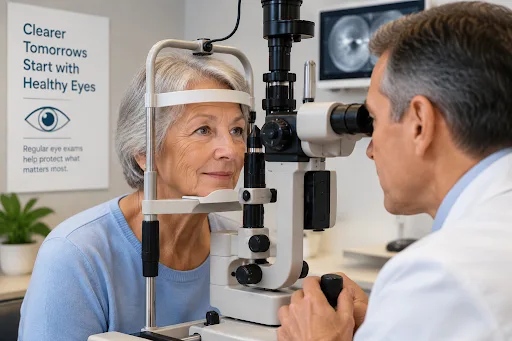
A comprehensive eye exam does more than check vision clarity. It allows an eye care professional to examine the health of the optic nerve and identify possible warning signs.
What happens during a glaucoma evaluation?
A glaucoma screening may include:
- Eye pressure measurement
- Optic nerve examination
- Visual field testing
- Retinal imaging
- Evaluation of eye drainage structures
An optometrist or ophthalmologist may recommend additional testing based on age, medical history, and examination findings.
Pro Tip: Regular eye exams are especially important when there are no symptoms. Waiting until vision changes appear may allow glaucoma to progress unnoticed.
What Is the Difference Between an Optometrist and an Ophthalmologist for Glaucoma Care?
Many people are unsure about which eye professional they should visit. Both play important roles in maintaining eye health.
An optometrist may identify early concerns during a routine examination and refer patients for specialized care when needed. An ophthalmologist manages more complex eye conditions, including advanced glaucoma treatment.
What Treatment Options Are Available for Glaucoma?
Treatment focuses on protecting the optic nerve and reducing the risk of further vision loss. The right approach depends on the type and severity of glaucoma.
What are common glaucoma treatments?
Treatment options may include:
- Prescription eye drops to lower eye pressure
- Laser procedures to improve fluid drainage
- Minimally invasive glaucoma procedures
- Surgical treatments for advanced cases
Glaucoma treatment does not usually restore lost vision, but consistent care can help preserve eyesight.
When might glaucoma surgery be considered?
In some cases, medications and laser treatments may not control eye pressure effectively. A glaucoma surgeon may recommend surgery to create better drainage pathways and reduce pressure on the optic nerve.
Note: Treatment decisions are based on individual eye health, disease progression, and overall risk factors. Not every person with glaucoma needs surgery.
How Can People Protect Their Vision Before Glaucoma Progresses?
Preventive eye care is one of the strongest tools against silent vision loss.
Simple steps that support eye health:
- Schedule regular comprehensive eye exams
- Share family eye health history with your provider
- Manage conditions such as diabetes and high blood pressure
- Follow prescribed glaucoma treatments consistently
- Report changes in vision quickly
For people already diagnosed with glaucoma, staying consistent with follow-up visits is just as important as starting treatment.
What Should You Know About Glaucoma Care in The Villages?
The Villages community includes many active adults who value independence and quality of life. Maintaining healthy vision supports daily activities such as driving, reading, hobbies, and social connections.
Finding experienced glaucoma specialists and understanding available care options can help individuals make informed decisions about their eye health.
The Villages community includes many active adults who value independence and quality of life. Maintaining healthy vision supports daily activities such as driving, reading, hobbies, and social connections.

Key Takeaways
- Glaucoma often develops without noticeable symptoms.
- Early eye examinations are essential because vision loss from glaucoma is permanent.
- Risk increases with age, family history, and certain health conditions.
- Optometrists and ophthalmologists both play important roles in glaucoma detection and management.
- Treatment can help slow progression and protect remaining eyesight.
Final Insights: Protecting Vision Before It Changes
Living with undiagnosed glaucoma can mean losing vision without realizing it is happening. The condition does not always announce itself with pain or obvious changes, which makes awareness and regular eye care extremely important.
Understanding glaucoma risks, recognizing possible warning signs, and seeking timely evaluations can help people take action before significant vision loss occurs. Protecting eyesight starts with knowing what to look for and maintaining consistent eye health checks.
FAQ’s
1. Can glaucoma develop without symptoms?
Yes. Many forms of glaucoma progress slowly without noticeable symptoms. Regular eye exams are important because early detection may prevent further vision damage.
2. How often should adults get checked for glaucoma?
The frequency depends on age, health history, and risk factors. Many adults benefit from regular comprehensive eye examinations as recommended by their eye care provider.
3. Can glaucoma vision loss be reversed?
No. Vision lost from glaucoma cannot usually be restored. However, treatment can help slow additional damage.
4. Is high eye pressure the only cause of glaucoma?
No. High eye pressure is a major risk factor, but some people develop glaucoma even with normal eye pressure.
5. What type of doctor treats advanced glaucoma?
Advanced glaucoma is typically managed by an ophthalmologist with specialized training in glaucoma care, including glaucoma doctors who focus on diagnosis and treatment options.
Learning about glaucoma symptoms, risk factors, and treatment options can help individuals make informed choices about their vision. A timely eye evaluation can provide important information about eye health and help identify concerns before they affect daily life.