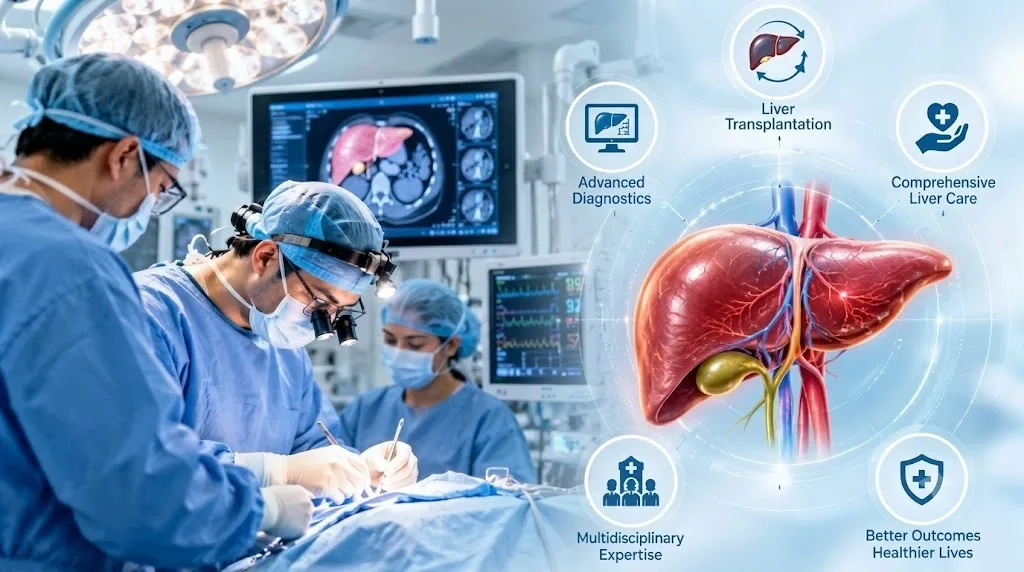
The liver plays an important role in maintaining overall health. It helps digest food, processes nutrients, removes harmful substances from the blood and supports several essential body functions. However, liver-related problems can develop gradually, sometimes without noticeable symptoms during the early stages. Recognising warning signs and seeking timely medical attention can make a meaningful difference in managing liver health.
If you are looking for reliable Liver Treatment in Chennai, choosing a hospital with experienced specialists, appropriate diagnostic facilities and comprehensive treatment options is an important step. GEM Hospital provides specialised medical care for liver-related conditions, with treatment support ranging from diagnosis and medical management to advanced surgical procedures and liver transplantation when clinically appropriate.
Understanding liver diseases, their symptoms, available treatments and the importance of specialist care can help patients and families make informed healthcare decisions.
Understanding the Importance of Liver Health
The liver is one of the body's largest internal organs and performs several functions that are essential for good health. It produces bile to support digestion, stores certain vitamins and minerals, regulates nutrients and helps process medications and other substances.
Different conditions can affect liver function, including infections, fatty liver disease, alcohol-related liver damage, autoimmune conditions and certain inherited disorders. Some problems may be temporary, while others require continuous medical monitoring and specialised treatment.
Seeking Liver Treatment in Chennai at the appropriate time can help identify the underlying condition and determine a suitable care plan. Regular health assessments, lifestyle awareness and medical guidance are valuable for maintaining liver health.
Common Liver Diseases That Require Medical Attention
Liver conditions vary in their causes, symptoms and severity. Some of the commonly encountered liver-related problems include:
1. Fatty Liver Disease
Fatty liver disease develops when excess fat accumulates in liver cells. It is commonly associated with obesity, diabetes, insulin resistance and certain metabolic conditions. Some individuals may not experience noticeable symptoms initially.
Medical evaluation may include blood investigations, ultrasound imaging and other tests depending on individual requirements. Treatment generally focuses on addressing contributing factors and managing associated health conditions.
2. Hepatitis
Hepatitis refers to inflammation of the liver. It can develop due to viral infections, certain medications, alcohol use or autoimmune conditions. Different types of viral hepatitis require different approaches to diagnosis and management.
Symptoms may include fatigue, nausea, abdominal discomfort, dark urine and yellowing of the skin or eyes. A doctor may recommend blood tests to identify the cause and assess liver function.
3. Liver Cirrhosis
Cirrhosis is a condition in which healthy liver tissue is gradually replaced by scar tissue. It may develop following long-term liver inflammation or injury.
Possible warning signs include abdominal swelling, leg swelling, persistent tiredness, jaundice and easy bruising. Advanced cirrhosis requires specialist supervision and careful monitoring for complications.
4. Liver Cancer
Liver cancer develops when abnormal cells grow within liver tissue. Certain long-standing liver conditions, including cirrhosis and chronic hepatitis infections, may increase the risk.
Diagnosis and treatment depend on the cancer stage, liver function, overall health and other clinical factors. Treatment options may include surgery, localised procedures, medicines or transplantation in selected patients.
What Are the Warning Signs of Liver Problems?
Liver-related conditions can present with different symptoms. Some people may experience only mild discomfort, while others may develop noticeable changes in their health.
Common symptoms include:
- Yellowing of the skin or eyes (jaundice).
- Persistent tiredness or weakness.
- Loss of appetite.
- Nausea or vomiting.
- Abdominal pain or discomfort.
- Swelling in the abdomen or legs.
- Dark-coloured urine.
- Unexplained weight changes.
- Itching without an obvious skin-related cause.
These symptoms do not always indicate liver disease, as they can occur with other medical conditions too. However, persistent or unexplained symptoms should be evaluated by a qualified medical professional.
For people searching for Liver Treatment in Chennai, consulting a liver specialist can help identify the reason behind these symptoms and guide further investigations.
How Are Liver Diseases Diagnosed?
Accurate diagnosis is an essential part of effective liver care. Doctors consider a patient's medical history, symptoms, lifestyle factors and examination findings before recommending investigations.
Depending on the suspected condition, diagnostic tests may include:
Liver Function Tests (LFT): These blood tests help assess certain aspects of liver health by measuring enzymes, proteins and other substances.
Ultrasound Scan: An ultrasound helps examine the liver's size, structure and appearance and may identify fatty changes or other abnormalities.
CT Scan and MRI: Advanced imaging techniques may be recommended to assess specific liver conditions, identify abnormal growths or support treatment planning.
Viral Hepatitis Screening: Blood tests can help identify certain hepatitis infections.
Liver Biopsy: In selected cases, a small tissue sample may be examined to understand the nature and extent of liver damage.
Not every patient requires all these investigations. The doctor selects appropriate tests based on the individual's symptoms and clinical findings.
Advanced Liver Treatment Options Available at GEM Hospital
The treatment of liver disease depends on its underlying cause, severity and impact on overall health. Some conditions can be managed with medication and lifestyle changes, while others may require specialised procedures or surgery.
GEM Hospital offers expert care and advanced treatment options for patients seeking Liver Treatment in Chennai, with a focus on evaluating individual needs and planning appropriate care.
Medical Management of Liver Diseases
Several liver conditions can be managed through medicines, regular monitoring and changes in daily habits. Treatment may involve controlling infections, managing metabolic conditions, addressing nutritional deficiencies or treating complications.
Patients should follow their doctor's recommendations and avoid taking medications or supplements without medical advice, as certain substances can affect liver function.
Minimally Invasive and Surgical Treatment
Certain liver and biliary conditions may require surgical intervention. Depending on the diagnosis, the medical team may consider minimally invasive procedures or other surgical approaches.
The suitability of a procedure depends on the patient's health, the nature of the disease and the expected clinical benefits. Specialist evaluation helps determine the most appropriate approach.
Liver Cancer Treatment
Liver cancer treatment requires careful assessment by specialists. The treatment plan may involve surgical removal of the affected portion of the liver, localised treatment procedures, systemic medicines or other options.
Factors such as tumour size, location, liver function and the patient's overall health influence treatment decisions. Early specialist assessment can help patients understand the available options.
Liver Transplantation
Liver transplantation may be considered for selected patients with advanced liver disease or certain liver cancers when other treatment options are not sufficient or appropriate.
The process involves a detailed evaluation of the patient's medical condition, transplant eligibility, donor-related considerations and potential risks.
At GEM Hospital, patients seeking Liver Transplant Treatment in Chennai can explore specialist-led care and transplant-related support. The transplant team evaluates individual circumstances before determining whether transplantation is suitable.
Why Choose GEM Hospital for Liver Treatment in Chennai?
Selecting a hospital for liver care involves considering medical expertise, diagnostic support, treatment facilities and continuity of care.
GEM Hospital focuses on providing specialised medical and surgical care for patients with digestive and related organ conditions, including liver disorders.
Some important aspects of comprehensive liver care include:
- Experienced Specialists: Medical professionals assess liver-related symptoms and recommend appropriate investigations and treatment.
- Advanced Diagnostic Support: Diagnostic evaluation helps identify the nature of the liver condition and supports treatment planning.
- Comprehensive Treatment Options: Care may range from medical management to specialised surgical procedures and transplant-related evaluation.
- Individualised Treatment Planning: Treatment recommendations are based on the patient's diagnosis, medical history and overall health.
- Continued Medical Support: Follow-up appointments and monitoring help assess treatment progress and manage ongoing healthcare needs.
For patients and families exploring Liver Treatment in Chennai, having access to different stages of care within a specialised hospital environment can help simplify the treatment journey.
Lifestyle Habits That Support Better Liver Health
Medical treatment is important for managing liver diseases, but healthy daily habits can also support overall liver function.
Consider the following practices:
- Maintain a Balanced Diet: Include vegetables, fruits, whole grains and appropriate sources of protein in your meals.
- Stay Physically Active: Regular physical activity can support metabolic health and help manage body weight.
- Limit Alcohol Consumption: Alcohol can contribute to liver injury. People with liver disease should discuss alcohol avoidance with their doctor.
- Manage Existing Health Conditions: Diabetes, obesity and high cholesterol may be associated with fatty liver disease.
- Avoid Unnecessary Medication: Certain medicines and herbal supplements can affect the liver. Seek professional advice before using them.
- Attend Regular Health Check-ups: Medical assessments can help identify potential concerns, particularly in people with known liver risk factors.
These habits support general health but should not replace medical evaluation or prescribed treatment.
When Should You Consult a Liver Specialist?
You should consider consulting a liver specialist if you experience persistent jaundice, unexplained abdominal swelling, recurring abdominal discomfort, abnormal liver test results or other symptoms that may indicate a liver condition.
People with chronic hepatitis, known cirrhosis, fatty liver disease or a family history of certain liver disorders may also benefit from appropriate medical follow-up.
If symptoms are sudden or severe, such as confusion, vomiting blood, black stools or rapidly increasing abdominal swelling, seek urgent medical attention.
Choosing the right time to seek Liver Treatment in Chennai can help patients understand their condition and discuss suitable management options with qualified specialists.
Frequently Asked Questions About Liver Treatment in Chennai
1. Which hospital is suitable for liver treatment in Chennai?
A suitable hospital should offer specialist evaluation, appropriate diagnostic facilities and treatment options based on the patient's condition. GEM Hospital provides specialised care for liver-related conditions, including medical management, surgical care and transplant-related support.
2. What are the early symptoms of liver disease?
Early symptoms may include fatigue, loss of appetite, nausea, abdominal discomfort and unexplained weakness. Some liver conditions may not produce noticeable symptoms during their initial stages.
3. Can fatty liver disease be treated?
Fatty liver disease can often be managed through lifestyle modifications and treatment of associated metabolic conditions. The appropriate approach depends on the underlying cause and extent of liver damage.
4. When is a liver transplant necessary?
A liver transplant may be recommended for selected patients with advanced liver disease or certain liver cancers. Eligibility depends on medical evaluation, disease severity and other clinical factors.
5. Which tests help diagnose liver problems?
Doctors may recommend liver function tests, ultrasound scans, CT scans, MRI, hepatitis screening or liver biopsy depending on the suspected condition.
6. How can I maintain good liver health?
A balanced diet, regular exercise, maintaining a healthy weight, avoiding harmful alcohol use and attending recommended health check-ups can support liver health.
7. Does every liver condition require surgery?
No. Many liver conditions can be managed through medication, lifestyle changes and regular monitoring. Surgery or transplantation is considered only when clinically appropriate.
Conclusion
Liver health plays an important role in overall well-being, and understanding the symptoms of liver disease is an important step towards seeking appropriate medical care. From fatty liver disease and hepatitis to cirrhosis and liver cancer, each condition requires an individual approach to diagnosis and treatment.
If you are searching for dependable Liver Treatment in Chennai, GEM Hospital offers expert care and advanced treatment options, supporting patients through different stages of their healthcare journey, from diagnosis and medical management to specialised surgery and transplant-related evaluation.
Consulting an experienced specialist can help you understand your condition, explore available treatment options and make informed decisions about your health. Early medical attention and appropriate follow-up remain important parts of responsible liver care.