Head shapes vary a lot from person to person, and most differences don’t need medical attention. Still, a flat spot, an uneven outline, or a narrow section of the skull can change how someone feels about their appearance. Sometimes it comes down to how the skull developed. Other times it’s a condition that never got corrected in infancy.
Cosmetic skull reshaping is a surgical option for certain irregularities in skull shape. It targets the areas that lack volume or have an odd contour, with the aim of making the head look more balanced. Knowing how it works makes it easier to decide whether it’s worth looking into.
How Does Cosmetic Skull Reshaping Work?
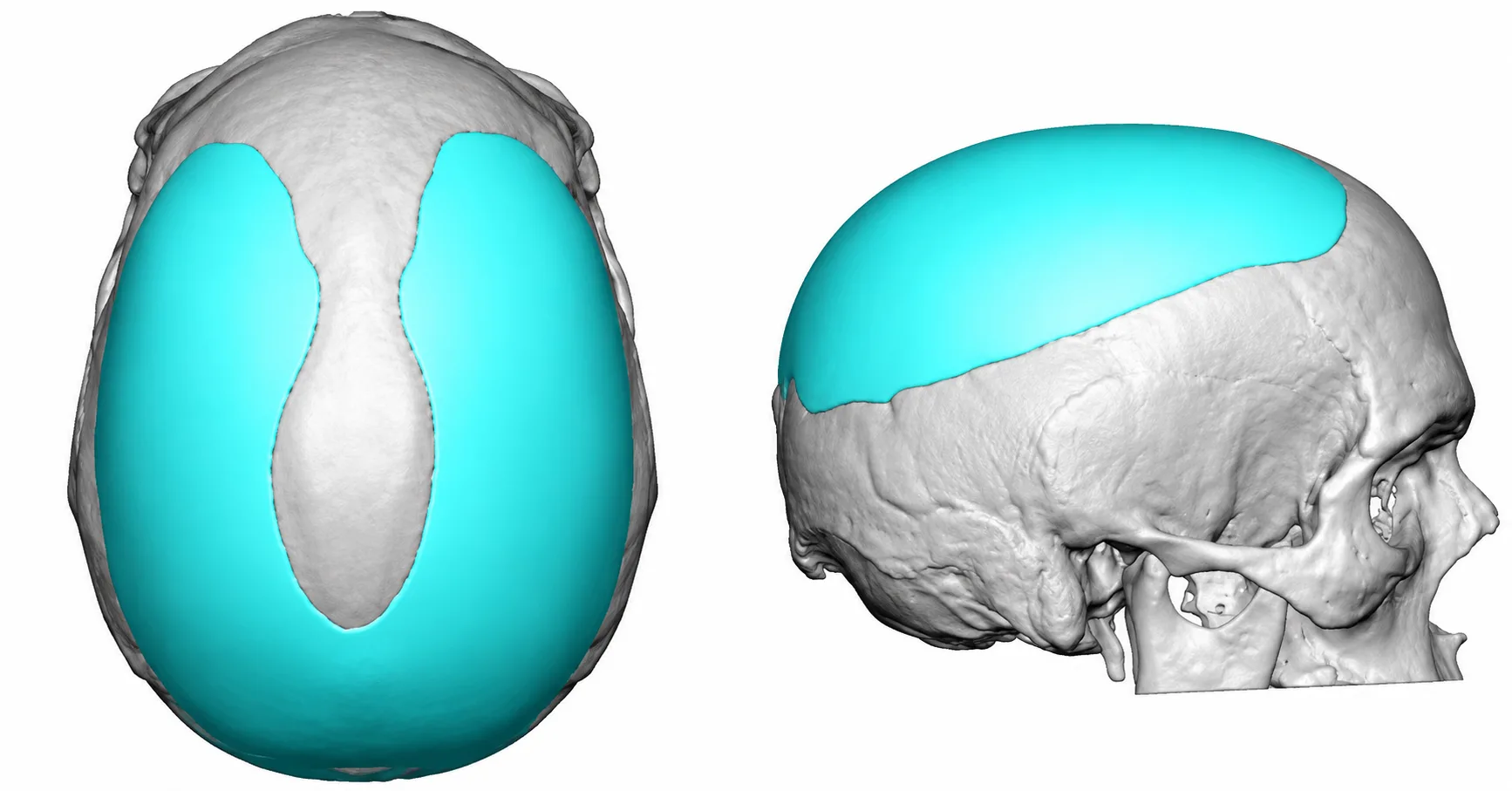
It starts with a custom implant made for the parts of the skull that throw off its overall contour. What the surgeon actually does comes down to your anatomy and the kind of irregularity you have.
A quick look at the main steps helps before you think about surgery:
- 3D scanning and reconstruction: Imaging maps the skull and pinpoints where it veers from the contour you’re after.
- Custom silicone implants: The implant is built to fill one specific gap, which improves how the head looks as a whole.
- Surgical placement: Surgery puts the implant in place, moving the shape closer to normal.
So the plan follows your particular concerns, not a one-size template for every head.
What Head Shape Concerns Can Be Addressed?
Skull irregularities come in different forms. A few change the width. Others leave the head flatter or more pointed. And the cause counts for a lot when treatment is being decided.
Concerns that may be considered for cosmetic skull reshaping include:
- Flat areas: A section of the skull sits flatter than what surrounds it, so the outline looks uneven.
- Narrow or pointed contours: Developmental differences can leave a head looking unusually narrow or pointed.
- Differences in skull width: In some conditions, the proportions between the sides and the rest of the head are thrown off.
- Untreated developmental deformities: Craniosynostosis, in which the skull bones fuse too early, is one condition that can change skull shape.
Surgery isn’t right for every case, since it depends on the condition itself. Only an assessment can tell whether an implant would help.
What Should You Know About Plastic Surgery Skull Reshaping?
Anyone reading up on plastic surgery skull reshaping should know the goal upfront: fixing a specific contour problem, not guaranteeing a perfectly symmetrical head.
Some points help keep expectations in check:
- Individual anatomy: Which areas could benefit from correction depends on the skull shape you have now.
- Customized planning: With imaging, the surgeon can see the deficiency and design an implant to suit your anatomy.
- Expected results: The target is a normal or near-normal look, but results aren’t identical for everyone.
- Surgical planning: The more complex the concern, the more it shapes the recommended approach, including whether one operation is enough.
Talking through these beforehand gives patients a better sense of what surgery can realistically achieve.
Is Cosmetic Skull Reshaping Worth Considering?
The first step in choosing cosmetic skull reshaping is understanding what’s causing the irregularity and how much it affects your appearance. A consultation gives you the chance to have the skull’s structure reviewed, the area of concern examined, and possible results discussed.
Dr. Shahin Javaheri, SF Plastic Surgeon, uses 3D scanning and reconstruction to plan custom silicone implants for suitable patients. For anyone weighing plastic surgery skull reshaping, a personalized assessment like this can show whether the procedure fits their needs and expectations.
In the end, a balanced head shape doesn’t demand perfect symmetry. What matters more is knowing your options and finding out whether a carefully planned surgical correction can give you a contour that feels natural and proportionate.