
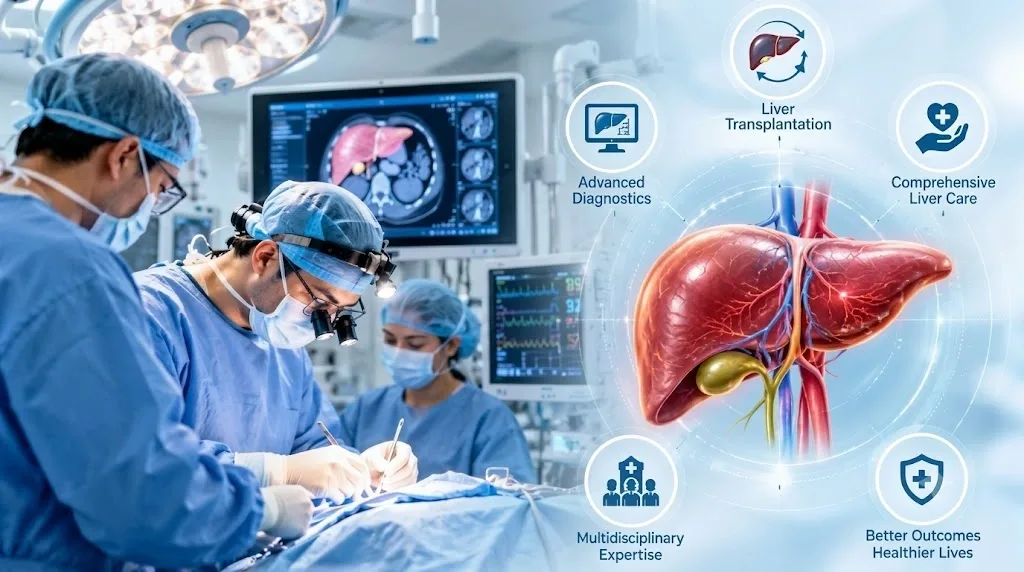
The liver plays an essential role in maintaining overall health. It helps digest food, processes nutrients, removes harmful substances from the blood, stores energy and produces proteins required for various body functions. When the liver becomes severely damaged due to chronic disease, infection or other medical conditions, its ability to perform these functions may gradually decline. In advanced cases, a liver transplant may become a suitable treatment option.Finding the right hospital is an important step when considering transplant treatment. Patients and families need access to experienced medical professionals, proper evaluation, advanced surgical facilities and continuous support throughout recovery. GEM Hospital offers specialised medical and surgical care, focusing on comprehensive treatment and patient support.For individuals exploring Liver Transplant in Chennai, understanding the procedure, eligibility requirements, treatment process and post-transplant care can help them make informed healthcare decisions.
What Is a Liver Transplant?
A liver transplant is a surgical procedure in which a diseased or severely damaged liver is replaced with a healthy liver or a suitable portion of a liver from a donor. It is generally considered for patients with advanced liver disease when other treatment options are no longer sufficient.The transplanted liver helps restore essential liver functions and can improve the patient's quality of life. However, the suitability of transplantation depends on several factors, including the patient's overall health, liver condition, medical history and donor compatibility.A transplant involves more than surgery alone. It requires detailed medical assessment, careful surgical planning, regular monitoring and long-term medical support.Patients looking for Liver Transplant in Chennai should understand that every treatment plan is individualised according to the patient's medical needs.
When Is a Liver Transplant Recommended?
A liver transplant may be recommended when the liver is severely damaged and cannot function properly despite medical treatment. The decision is made after a detailed assessment by a specialist transplant team.
Some medical conditions that may lead to consideration of liver transplantation include:
- Liver cirrhosis: Long-term liver damage that causes permanent scarring and affects normal liver function.
- Chronic hepatitis: Certain advanced cases of hepatitis B or hepatitis C can lead to severe liver damage.
- Alcohol-related liver disease: Prolonged alcohol-related injury can cause serious liver complications.
- Fatty liver disease: Advanced metabolic dysfunction-associated steatohepatitis (MASH) may progress to cirrhosis and liver failure.
- Liver cancer: Selected patients with liver cancer may be considered for transplantation depending on tumour characteristics and clinical eligibility.
- Acute liver failure: Sudden and severe loss of liver function may require urgent specialist assessment.
Not every person with liver disease requires a transplant. Early diagnosis, appropriate medication, lifestyle modifications and regular monitoring may help manage several liver conditions.If you are searching for Liver Transplant in Chennai, consulting a qualified specialist can help determine whether transplantation is necessary or whether other treatment options are appropriate.
Common Warning Signs of Advanced Liver Disease
Liver diseases may develop gradually, and some patients may not experience noticeable symptoms during the early stages. As the condition progresses, different symptoms can appear.
Common warning signs include:
- Yellowing of the eyes and skin (jaundice).
- Swelling in the abdomen due to fluid accumulation.
- Swelling in the legs and ankles.
- Persistent tiredness and weakness.
- Loss of appetite and unexplained weight changes.
- Easy bruising or bleeding.
- Nausea and digestive discomfort.
- Confusion or changes in mental alertness.
These symptoms do not always indicate that a person needs a liver transplant. However, persistent or worsening symptoms require medical attention. Sudden confusion, severe bleeding or rapidly worsening jaundice needs urgent medical assessment.Early consultation with a liver specialist can help identify the underlying condition and determine the appropriate treatment.
Types of Liver Transplant Procedures
Liver transplantation can be performed using different approaches depending on donor availability, patient requirements and medical suitability.
1. Living Donor Liver Transplant
In a living donor liver transplant, a healthy individual donates a portion of their liver to the recipient. The remaining liver in the donor and the transplanted portion in the recipient can grow towards their required functional capacity over time.Both the donor and recipient undergo detailed medical and psychological evaluation to determine their suitability. Donor safety is an essential consideration throughout the process.
2. Deceased Donor Liver Transplant
In this procedure, the liver is obtained from a deceased donor following the required medical, legal and ethical procedures. The donated liver is assessed for suitability before transplantation.The availability of a suitable organ, compatibility and the patient's clinical condition influence the timing of transplantation.For those considering Liver Transplant in Chennai, understanding these procedures can help families discuss suitable options with their transplant specialists.
How Is the Liver Transplant Procedure Performed?
Liver transplantation is a complex surgical procedure that requires careful coordination between multiple medical professionals. The process generally involves several important stages.
1. Pre-transplant evaluation
The patient undergoes blood tests, imaging investigations, liver function assessments and other necessary examinations. Doctors review the medical history and overall health to determine transplant eligibility.
2. Donor assessment
When a living donor is considered, detailed investigations are performed to assess donor health, liver anatomy and compatibility. Donor safety remains a priority.
3. Surgical preparation
Once the recipient and donor requirements are evaluated and the necessary approvals are obtained, the surgical team prepares for transplantation.
4. Transplant surgery
The damaged liver is removed and replaced with the donor liver or donated liver portion. Surgeons connect the required blood vessels and bile ducts to establish normal circulation and drainage.
5. Post-surgical monitoring
Following surgery, the patient receives close monitoring to assess liver function, recovery and possible complications. The medical team also manages medications and nutritional requirements.Patients seeking Liver Transplant in Chennai should understand that recovery timelines differ depending on individual health conditions and surgical outcomes.
Why Choose GEM Hospital for Liver Transplant Care in Chennai?
Choosing a hospital for complex liver treatment requires careful consideration. Patients should look for comprehensive medical evaluation, appropriate surgical facilities, experienced healthcare professionals and reliable follow-up care.
GEM Hospital focuses on specialised medical and surgical services supported by modern healthcare facilities and patient-centred care.
Important aspects of comprehensive liver transplant care include:
- Specialist medical evaluation: Detailed assessment of liver conditions and overall health before deciding on transplantation.
- Expert surgical care: Coordinated surgical planning based on the patient's medical requirements.
- Modern medical facilities: Access to appropriate diagnostic and surgical infrastructure.
- Comprehensive treatment planning: Individualised care according to the patient's condition and treatment needs.
- Post-transplant support: Continued monitoring, medication management and follow-up consultations.
- Patient and family guidance: Clear communication to help families understand the treatment process and recovery requirements.
Patients researching a Liver Transplant Hospital in Chennai should also consider the availability of long-term care, emergency support and multidisciplinary medical coordination.At GEM Hospital, the focus is on providing comprehensive care throughout the patient's treatment journey.
Importance of Post-Liver Transplant Care
Liver transplant surgery is an important milestone, but recovery and long-term monitoring are equally essential. After transplantation, patients require regular medical supervision to ensure the transplanted liver functions properly.
Post-transplant care generally includes:
Regular medical check-ups: Follow-up appointments help doctors monitor liver function and identify potential complications early.
Immunosuppressive medications: Patients usually require medicines to reduce the risk of the immune system rejecting the transplanted liver. These medications must be taken exactly as prescribed.
Healthy nutrition: A balanced diet with adequate protein, vitamins and other essential nutrients supports recovery. Dietary recommendations may vary depending on individual requirements.
Infection prevention: Patients may have an increased risk of infections because of immunosuppressive treatment. Following hygiene practices and medical advice is important.
Physical activity: Gradual physical activity, according to the treating doctor's recommendations, can support strength and overall recovery.
Long-term monitoring: Regular blood tests and specialist consultations help assess liver function and medication requirements.
For patients undergoing Liver Transplant in Chennai, consistent follow-up care is essential for maintaining long-term health.
How to Prepare for a Liver Transplant Consultation?
Preparing for a consultation can help patients and families understand their treatment options more clearly.
Before visiting a specialist, consider keeping the following information ready:
- Previous medical reports and liver function test results.
- Ultrasound, CT or MRI scan reports, if available.
- Current medication details.
- Medical and surgical history.
- Information about existing health conditions.
- Questions regarding donor eligibility, surgery and recovery.
Patients should discuss the potential benefits, risks, alternatives and long-term responsibilities associated with transplantation.
A detailed discussion with the medical team helps patients make informed decisions about their healthcare.
Frequently Asked Questions About Liver Transplant in Chennai
1. Which hospital provides liver transplant services in Chennai?
Patients should look for a hospital with appropriate transplant facilities, specialist medical teams, surgical infrastructure and long-term follow-up services. GEM Hospital provides specialised medical and surgical care. Patients can contact the hospital to understand available liver transplant services and evaluation procedures.
2. Who needs a liver transplant?
A liver transplant may be recommended for patients with advanced cirrhosis, severe liver failure, selected liver cancers or other serious liver conditions when alternative treatments are insufficient. Eligibility is determined through specialist evaluation.
3. How long does liver transplant surgery take?
The duration varies depending on the patient's condition, surgical complexity and whether the procedure involves a living or deceased donor. The treating surgical team can provide a more specific estimate.
4. How long does it take to recover after a liver transplant?
Recovery differs between patients. Hospitalisation, initial recovery and return to normal activities depend on overall health, surgical outcomes and possible complications. Regular follow-up is necessary.
5. Can a person live a normal life after a liver transplant?
Many transplant recipients can return to meaningful daily activities after recovery. However, they require lifelong medical follow-up, prescribed immunosuppressive medications and regular health monitoring.
6. What tests are required before a liver transplant?
Pre-transplant evaluation may include blood tests, liver function tests, imaging investigations, heart and lung assessments and other examinations based on the patient's medical condition.
7. Is liver transplant surgery suitable for everyone with liver disease?
No. Transplantation is considered based on disease severity, overall health, eligibility criteria and potential benefits. A specialist assessment is necessary.
Conclusion
Living with advanced liver disease can be challenging for patients and their families. Understanding the available treatment options and seeking timely medical guidance can make an important difference in managing the condition.Liver transplantation may offer a treatment option for selected patients with severe liver damage or liver failure. However, successful treatment planning requires careful evaluation, appropriate surgical care and continuous medical supervision.GEM Hospital focuses on comprehensive medical and surgical care, modern facilities and dedicated patient support. If you are exploring Liver Transplant in Chennai, consult the medical team to understand the available treatment options, eligibility requirements and follow-up care.


