A liver transplant can be a life-saving procedure for people with severe liver failure, cirrhosis, or long-term liver disease. India has emerged as one of the most sought-after destinations for liver transplants because of its combination of advanced medical care and affordable pricing. The liver transplant cost in India typically ranges between ₹20 lakh to ₹35 lakh, depending on several factors such as the type of surgery, hospital facilities, and post-surgery care.
This cost is almost one-fourth of what patients pay in Western countries while maintaining a similar transplant success rate. In cities like Delhi, some of the best liver transplant hospitals in India offer world-class facilities, experienced surgeons, and excellent long-term outcomes. In this blog, we will explore what influences the cost, how the procedure works, what determines success rates, and how India has become a global leader in liver surgery India.
What is a Liver Transplant?
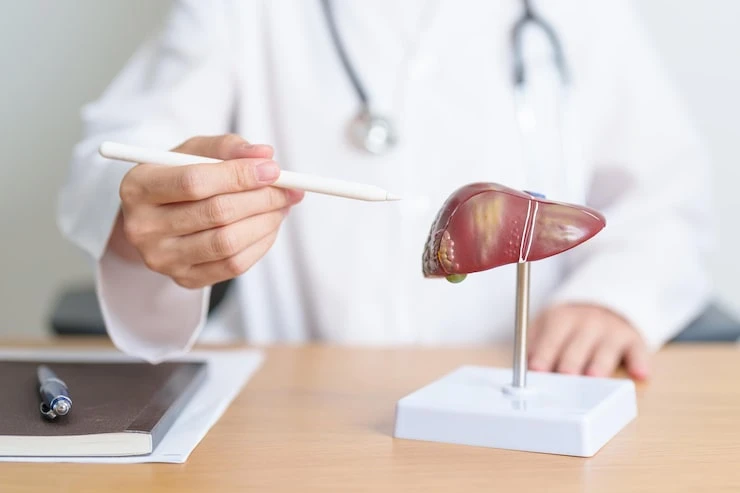
A liver transplant is a major surgical procedure where a diseased or damaged liver is replaced with a healthy liver from a donor.
- The donor can be living where a part of the liver is donated by a family member, or deceased, where the liver comes from someone declared brain-dead.
- Because the liver can regenerate, both the donor and the recipient’s liver can grow back to normal size within weeks.
- Transplants are usually recommended when conditions like chronic hepatitis, fatty liver disease, cirrhosis, or liver failure leave no other treatment options.
In India, the availability of skilled surgeons and modern infrastructure has made it possible to perform even complex liver transplants successfully and safely.
Liver Transplant Cost in India: Detailed Breakdown
The liver transplant cost in India varies from patient to patient because every case requires a unique approach. On average, the total expense falls between ₹20 lakh and ₹35 lakh, covering diagnosis, surgery, hospitalisation, and follow-up care. Below is a detailed breakdown of the factors influencing cost:
1. Type of Transplant
- Living donor liver transplant: Usually costs around ₹20-₹30 lakh, as it involves two surgeries, one for the donor and one for the recipient.
- Deceased donor liver transplant: Slightly higher at ₹25-₹35 lakh, as it requires longer hospitalisation and organ retrieval coordination.
2. Pre-Transplant Evaluation
Before surgery, both donor and recipient undergo extensive tests such as liver function tests, blood work, imaging scans, and fitness evaluations. These can cost between ₹1 lakh to ₹2 lakh, depending on the hospital’s diagnostic facilities.
3. Surgical and ICU Charges
A liver transplant hospital in Delhi NCR with advanced ICUs and infection-control systems ensures maximum safety but may have higher operating costs. The surgery usually takes 8 to 12 hours, followed by 7-10 days in ICU and 10-15 days in a recovery ward.
4. Surgeon and Medical Team Fees
The surgical team includes transplant surgeons, anesthesiologists, hepatologists, and nurses who specialise in critical care. Their combined expertise ensures a smooth operation and reduces risks, which is reflected in the overall cost.
5. Post-Operative Medication and Follow-Up
After surgery, patients are prescribed immunosuppressant drugs to prevent rejection of the new liver. These medicines may initially cost ₹10,000-₹20,000 per month, reducing gradually over time. Regular follow-up visits and diagnostic tests are essential for monitoring recovery.
6. Costs for International Patients
For international patients, packages may also include visa support, airport transfers, language assistance, and accommodation for attendants. These services make India a preferred destination for liver surgery India due to its affordability and patient-friendly environment.
7. Insurance and Financial Assistance
Many hospitals help patients explore insurance coverage or government schemes that can partially reduce the total cost. Transparency in billing is key to a stress-free experience, and most top hospitals provide complete financial breakdowns before surgery.
Why Liver Transplants Are Affordable in India
India offers some of the most cost-effective healthcare solutions in the world without compromising on quality. Here’s why:
- Lower hospital and surgical expenses compared to Western countries.
- Highly trained transplant surgeons who have studied and practiced globally.
- Efficient healthcare systems that optimise costs without affecting care quality.
- Transparent package pricing at most major hospitals.
This balance of affordability and excellence is why thousands of patients from Asia, the Middle East, and Africa travel each year to top liver transplant hospitals in India for surgery.
Understanding the Transplant Success Rate in India
India’s transplant success rate is now comparable to global standards, often ranging between 85% and 95% for both living and deceased donor procedures. The high success rate is due to a combination of skilled specialists, advanced medical technology, and structured post-operative care.
Key Factors Influencing Success Rate
- Hospital expertise: Hospitals performing frequent transplants have refined techniques and better infrastructure.
- Patient’s pre-surgery health: Early intervention leads to better recovery and fewer complications.
- Donor match quality: A close match reduces the risk of organ rejection.
- Post-surgery monitoring: Regular check-ups and consistent medication are critical.
- Lifestyle habits: Avoiding alcohol, eating a balanced diet, and maintaining fitness ensure long-term liver health.
A top liver transplant hospital in Delhi will typically have a multidisciplinary team that manages all these factors, helping patients recover safely and regain quality of life.
Step-by-Step Overview of the Transplant Process
1. Evaluation and Preparation
Both the donor and the patient undergo detailed medical, psychological, and nutritional assessments. This ensures that both are fit for surgery and that the donor match is suitable.
2. Surgical Procedure
The diseased liver is removed and replaced with a healthy liver or liver portion. The surgery lasts 8–12 hours and requires careful coordination between the transplant team and critical care unit.
3. Recovery Phase
After surgery, patients are kept in the ICU for close observation before being shifted to the general ward. Recovery includes pain management, physiotherapy, and gradual dietary adjustments.
4. Post-Transplant Care
Patients are discharged after 2-3 weeks but continue follow-ups for several months. Strict medication schedules and regular liver function tests are essential during this period.
With proper care and adherence to medical advice, most patients return to normal life within 3–6 months after liver surgery India.
India’s Position as a Global Hub for Liver Surgery
India is now recognised as a major hub for liver transplants due to:
- Experienced transplant surgeons trained at leading global institutes.
- Modern infrastructure that supports complex surgical procedures.
- Affordable treatment packages that attract medical tourists worldwide.
- Strong regulatory framework ensuring safe organ donation and ethical practices.
Top liver transplant hospitals in Delhi NCR cater to both domestic and international patients, offering end-to-end services from consultation to recovery.
How to Choose the Right Liver Transplant Hospital in India
When choosing a hospital, consider the following:
- Accreditation: Look for NABH or JCI-certified hospitals.
- Experience: Check the number of transplants performed annually.
- Infrastructure: Ensure there is a dedicated transplant ICU and advanced imaging systems.
- Team quality: Choose hospitals with a specialised team of hepatologists and transplant surgeons.
- Transparency: Confirm there are no hidden charges and all services are clearly stated in the package.
Conclusion
India has become a trusted destination for advanced liver surgery India, offering affordable costs, high transplant success rates, and expert medical care. With an average liver transplant cost in India between ₹20 lakh and ₹35 lakh, patients can expect world-class treatment at a fraction of global prices.
Among the many reputed institutions, PSRI Hospital in Delhi NCR stands out as one of the best liver transplant hospitals in India, known for its experienced surgeons, modern facilities, and patient-centered care.
To learn more or book your consultation, contact PSRI Hospital today and take the first step toward a healthier life.