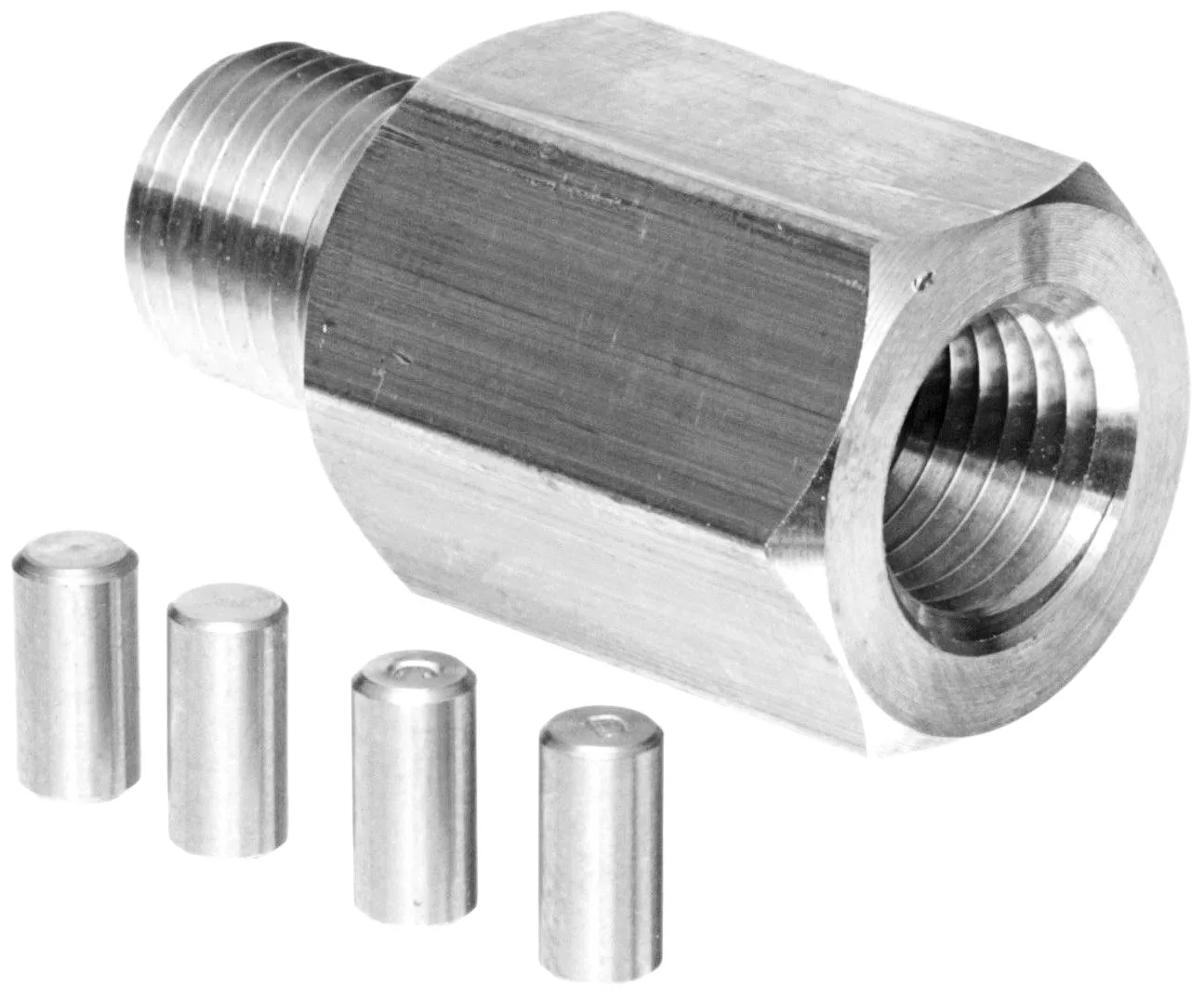
Industrial environments often expose instruments to harsh operating conditions, including intense vibrations, pressure pulsations, temperature fluctuations, and corrosive atmospheres. In such settings, choosing the right measurement equipment is critical for maintaining efficiency, safety, and operational reliability. A Liquid Filled pressure Gauge is specifically designed to perform accurately under these demanding conditions.
Unlike standard gauge designs, a Liquid Filled pressure Gauge contains a damping liquid that protects internal components from damage caused by vibration and sudden pressure changes. Combined with accessories such as a Thermowell and a high-quality Pressure Gauge, these instruments offer enhanced performance and a longer service life.
In this article, we explore the features, advantages, applications, and selection considerations associated with Liquid Filled pressure Gauge solutions.
What Is a Liquid Filled Pressure Gauge?
A Liquid Filled pressure Gauge is a pressure-measuring instrument filled with a liquid, typically glycerin or silicone oil. The filling liquid surrounds the gauge movement, reducing the effects of vibration, shock, and pulsation on internal components.
Traditional pressure measurement devices may struggle in challenging environments because continuous vibration can cause pointer fluctuations and premature wear. A Liquid Filled pressure Gauge minimizes these issues by stabilizing the pointer and protecting delicate mechanical parts.
These gauges are widely used across industries that demand dependable pressure monitoring under difficult operating conditions.
Why Demanding Conditions Require Specialized Gauges
Industrial systems rarely operate under ideal circumstances. Equipment installed near pumps, compressors, hydraulic machinery, and heavy-duty processing systems often experiences:
- Continuous vibration
- Pressure spikes and pulsations
- Mechanical shock
- Extreme temperatures
- Dust and moisture exposure
- Corrosive environments
A standard Pressure Gauge may lose accuracy over time when exposed to these conditions. However, a Liquid Filled pressure Gauge is engineered to withstand such challenges while maintaining readability and precision.
The damping effect provided by the filling liquid ensures smooth pointer movement and reduces internal wear, resulting in more consistent performance.
Key Benefits of a Liquid Filled Pressure Gauge
Improved Vibration Resistance
One of the primary reasons industries choose a Liquid Filled pressure Gauge is its ability to handle vibration effectively.
The liquid dampens the movement of internal components, preventing excessive oscillation of the pointer. This feature allows operators to obtain accurate readings even when machinery is operating at high speeds.
Enhanced Measurement Accuracy
A vibrating pointer can make pressure readings difficult to interpret. By stabilizing the pointer, a Liquid Filled pressure Gauge provides clearer visibility and improved accuracy.
This consistency is particularly valuable in applications where precise pressure control affects product quality and operational safety.
Extended Instrument Life
Frequent movement of internal components can accelerate wear and tear in conventional gauges.
The protective liquid minimizes friction and stress on critical parts, extending the lifespan of the Pressure Gauge and reducing maintenance requirements.
Protection Against Moisture
Many Liquid Filled pressure Gauge models are designed with sealed cases that help prevent moisture ingress.
This feature protects internal mechanisms from environmental contaminants, making them suitable for outdoor and washdown applications.
Reduced Maintenance Costs
Because the gauge experiences less internal wear, replacement intervals may be extended. Lower maintenance frequency contributes to reduced operating costs over time.
Common Applications of Liquid Filled Pressure Gauge Solutions
The versatility of the Liquid Filled pressure Gauge makes it suitable for a wide range of industries.
Oil and Gas Industry
Pressure monitoring is essential throughout drilling, refining, and transportation operations. Equipment often operates under severe vibration and fluctuating pressures, making liquid-filled instruments a preferred choice.
Chemical Processing
Chemical facilities require dependable pressure measurement to maintain process stability and safety. The enhanced durability of these gauges supports continuous operation.
Hydraulic Systems
Hydraulic machinery frequently generates pressure pulsations. A Liquid Filled pressure Gauge helps ensure accurate readings despite rapid pressure changes.
Water Treatment Facilities
Pumps and filtration systems rely on effective pressure monitoring. Liquid-filled instruments improve readability and long-term performance in these environments.
Manufacturing Plants
Heavy industrial equipment can create constant vibration. The stability offered by a Liquid Filled pressure Gauge supports efficient process monitoring.
Understanding the Role of Thermowell in Industrial Systems
While pressure measurement is critical, temperature monitoring also plays a significant role in industrial processes.
A Thermowell is a protective fitting designed to house temperature sensors. It isolates the sensing element from the process medium while allowing accurate temperature measurement.
Using a Thermowell offers several advantages:
- Protects temperature sensors from harsh conditions
- Allows sensor replacement without shutting down the process
- Enhances safety during maintenance
- Improves sensor longevity
In many industrial installations, a Thermowell works alongside a Pressure Gauge to provide a comprehensive view of system performance.
Choosing the Right Pressure Gauge
Selecting the appropriate Pressure Gauge requires evaluating several operational factors.
Pressure Range
Choose a gauge with a measurement range suitable for the application's operating pressure. Oversized or undersized ranges may affect accuracy.
Filling Medium
Common filling options include glycerin and silicone oil.
- Glycerin performs well in general industrial environments.
- Silicone oil is often selected for wider temperature variations.
Material Compatibility
Consider the compatibility of wetted parts with the process media to prevent corrosion and premature failure.
Dial Size
Larger dial sizes improve readability, particularly in installations where operators observe gauges from a distance.
Mounting Requirements
Verify whether bottom, back, or panel mounting configurations are required for the intended application.
Maintenance Tips for Long-Term Performance
Although a Liquid Filled pressure Gauge is designed for durability, periodic inspections remain important.
Follow these maintenance practices:
- Check for leakage around fittings.
- Inspect the gauge for physical damage.
- Confirm pointer stability during operation.
- Replace damaged gauges promptly.
- Verify calibration according to maintenance schedules.
Similarly, inspect each Thermowell and Pressure Gauge assembly to ensure continued system integrity.
Future Trends in Industrial Measurement
Industries increasingly prioritize efficiency, predictive maintenance, and process optimization. While digital technologies continue to evolve, mechanical instruments remain essential because of their simplicity and dependability.
Modern Liquid Filled pressure Gauge designs now incorporate improved materials, enhanced sealing technologies, and greater resistance to challenging environmental conditions.
Combined with properly selected Thermowell solutions and robust Pressure Gauge systems, these instruments continue to support safe and efficient industrial operations worldwide.
ConclusionA Liquid Filled pressure Gauge provides a practical and durable solution for pressure monitoring in demanding conditions. Its ability to resist vibration, stabilize readings, and extend instrument life makes it an essential component in numerous industrial applications.
When integrated with a suitable Thermowell and a properly specified Pressure Gauge, organizations gain improved process visibility, enhanced safety, and greater operational confidence.
Investing in the right measurement instruments today can help reduce downtime, improve maintenance efficiency, and support consistent performance in even the most challenging environments.