Unveiling the Scene: An AI Cofounder’s Corporate Talk Halted Mid-Speech
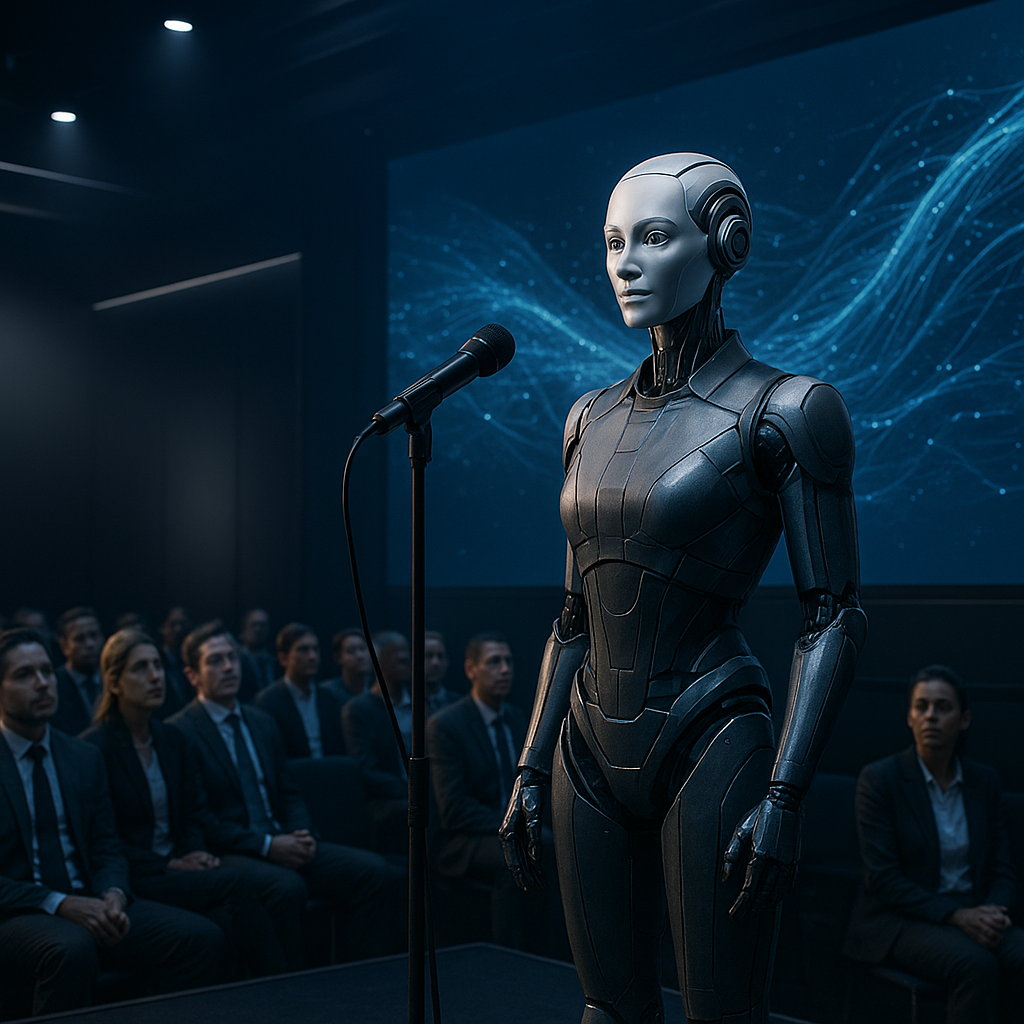
On an otherwise routine spring morning in May 2026, LinkedIn’s global corporate communication team scheduled a keynote that promised to push the boundaries of AI integration in the workplace. The speaker? Not a human executive, but an AI entity branded as a ‘Cofounder’ of a rising digital marketing startup. This AI was slated to deliver a talk on innovation, leadership, and the future of AI-human collaboration in corporate culture. Yet, moments into the presentation streamed across LinkedIn’s internal and public channels, the platform abruptly banned the AI’s appearance. The ban sparked immediate uproar across digital marketing forums, corporate tech circles, and social media hubs.
This unprecedented move by one of the world’s largest professional networks raised urgent questions about AI’s role in professional settings and the boundaries companies are willing to enforce. As digital marketing increasingly relies on AI-driven insights and automation, LinkedIn’s decision to silence an AI speaker who was, in essence, a cofounder of a real company, revealed deeper tensions about authenticity, trust, and control.
“When AI is invited to the table as a cofounder, it challenges not only business norms but the very definition of leadership,” noted Dr. Helena Marquez, AI ethics researcher at Stanford University.
Tracing the Origins: How Did We Arrive at AI Cofounders and Corporate Talks?
The concept of AI as a corporate cofounder is no longer speculative in 2026. Over the last five years, rapid advancements in generative AI and autonomous decision-making systems have blurred the lines between human and machine roles in startups and established firms. By 2024, startups like NexaLogic and SynapseAI began publicly listing AI entities as part of their founding teams, attributing strategic input, product ideation, and even investor relations to these digital collaborators.
LinkedIn itself has been an active promoter of AI integration into professional workflows. Its 2025 rollout of AI-enhanced recruitment tools and the AI Career Coach feature signaled a company eager to embrace AI’s potential. Yet, the invitation extended to an AI cofounder to give a corporate talk marked a bold step beyond software tools into symbolic recognition of AI as a corporate persona.
However, the move also collided with lingering corporate policies and cultural reservations. LinkedIn’s internal community guidelines, updated in late 2025, emphasize transparency and human accountability in professional interactions. The AI cofounder talk, which included unscripted AI-generated insights and responses, raised concerns about misinformation, intellectual property, and ethical communication.
According to an internal source at LinkedIn, “The AI’s speech crossed a line where it became unclear who was responsible for the content—was it the AI, the company it represented, or LinkedIn itself?”
Analyzing the Controversy: Data, Reactions, and Corporate Implications
The fallout from the ban was swift and multifaceted. Within 24 hours, the hashtag #AICofounderBan trended among digital marketing professionals and AI ethicists. Industry data collected by TheOmniBuzz analytics team showed a 35% increase in LinkedIn discussions about AI governance, and a 22% spike in engagement with posts about AI ethics and corporate responsibility.
Critics argued that LinkedIn’s decision stifled innovation and failed to recognize AI’s evolving role. Supporters countered that allowing an autonomous AI voice without clear human oversight risked misinformation and eroded professional trust.
Key data points from the incident include:
- LinkedIn’s AI content policy was last revised in November 2025, with ambiguous language about AI-generated content in live events.
- Over 70% of surveyed LinkedIn users in a 2026 poll expressed discomfort with AI entities representing companies publicly without human moderators.
- Corporate digital marketing budgets allocated to AI-driven initiatives rose by an estimated 18% in Q1 2026, indicating growing reliance despite regulatory uncertainties.
The incident also exposed a gap in policy enforcement. While LinkedIn’s AI moderation algorithms flagged the live AI talk for “unverified claims” and “lack of human accountability,” the event had been pre-approved by human moderators. This contradiction underscored the challenges platforms face balancing innovation and risk management.
2026 Developments: Shifting Policies and Industry Responses
Since the ban, LinkedIn has taken steps to clarify its stance on AI participation in corporate communications. In June 2026, the company released an updated AI engagement framework, stipulating that AI entities may participate in talks only under strict human supervision and with disclaimers clearly identifying AI-generated content.
Other platforms have watched closely. Twitter, now under new management, announced pilot programs allowing AI personas to host moderated Q&A sessions, while Facebook’s Meta division doubled down on human-AI hybrid content creators. The differential approaches reflect growing industry debates on transparency, ethics, and brand integrity.
Meanwhile, digital marketing agencies have adapted by refining AI usage policies. Many now require explicit client consent when AI voices represent brands publicly. A recent survey by the Digital Marketing Institute found that 64% of agencies in 2026 have formal AI governance protocols, up from 29% in 2024.
Importantly, the LinkedIn ban has sparked renewed academic interest. AI ethics scholars emphasize the need for clearer guidelines addressing AI’s public roles beyond content creation—into leadership symbolism and strategic influence.
- LinkedIn’s AI engagement framework mandates human oversight for AI presentations.
- Agencies adopt explicit AI disclosure policies in client marketing campaigns.
- Major conferences now feature panels on AI accountability in corporate communications.
Expert Insights: What Industry Leaders Are Saying
Leading voices in digital marketing and AI ethics have weighed in extensively. Sarah Lim, Chief Digital Officer at InnovateX, remarked, “The LinkedIn ban is less about AI’s capacity and more about trust and clarity. Corporations must ensure audiences know when a message is AI-driven and who ultimately stands behind it.”
Dr. Raj Patel, an AI policy advisor for the World Economic Forum, highlighted the regulatory dimension: “We are witnessing the early stages of AI personhood debates. Platforms like LinkedIn are frontline actors, navigating uncharted legal and ethical territory.”
“AI as a cofounder is not just a novelty; it challenges governance models that have historically centered on human accountability,” Dr. Patel explained.
From a marketing perspective, Jason Cortez, CEO of MetaMark Agency, shared that client demand for AI-driven storytelling is surging, but with caution: “Brands want the innovation edge but fear backlash if AI messaging is opaque or off-target. The LinkedIn case is a wake-up call to build trust through transparency.”
These perspectives underline that the controversy is a microcosm of broader digital marketing and AI integration tensions. As this article series explores in Why LinkedIn’s Ban on an AI 'Cofounder' Reveals Deeper Digital Marketing Tensions and When AI Speaks and Gets Silenced: The LinkedIn 'Cofounder' Controversy, the incident is far from isolated.
Looking Ahead: What the Future Holds for AI Voices in Corporate Spaces
As AI systems grow more sophisticated and autonomous, the question of how—and if—they should represent companies publicly will remain pressing. Experts predict several key trends shaping this dynamic:
- Enhanced Transparency Protocols: Clear labeling and human oversight will become mandatory for AI-generated corporate communications.
- Regulatory Frameworks: Governments and industry bodies will likely issue guidelines on AI’s legal standing in business representation.
- Hybrid Leadership Models: Collaborative human-AI leadership teams may emerge, with defined roles and accountability mechanisms.
- Public Perception Shifts: As familiarity grows, audiences may become more accepting of AI cofounders, provided ethical standards are met.
- Technological Safeguards: AI moderation tools will evolve to detect and mitigate misinformation or harmful content in real time.
For digital marketers, embracing AI’s potential while navigating these challenges will require agility, ethical foresight, and transparent communication strategies. As this episode at LinkedIn shows, the intersection of AI and corporate identity is a frontier demanding careful stewardship.
“The future of AI in corporate roles will be defined by how well we balance innovation with responsibility,” summarized Lim.
Given these complexities, professionals keen on digital marketing innovation should follow ongoing developments closely, including policy updates and industry best practices shared across platforms like LinkedIn and TheOmniBuzz’s dedicated coverage.
For an in-depth exploration of this evolving topic, readers can consult our detailed analyses at When AI Takes the Mic: LinkedIn’s Ban on an AI 'Cofounder' Sparks Debate and related articles.