Opening the Curtain: An AI Cofounder’s Unexpected Invitation
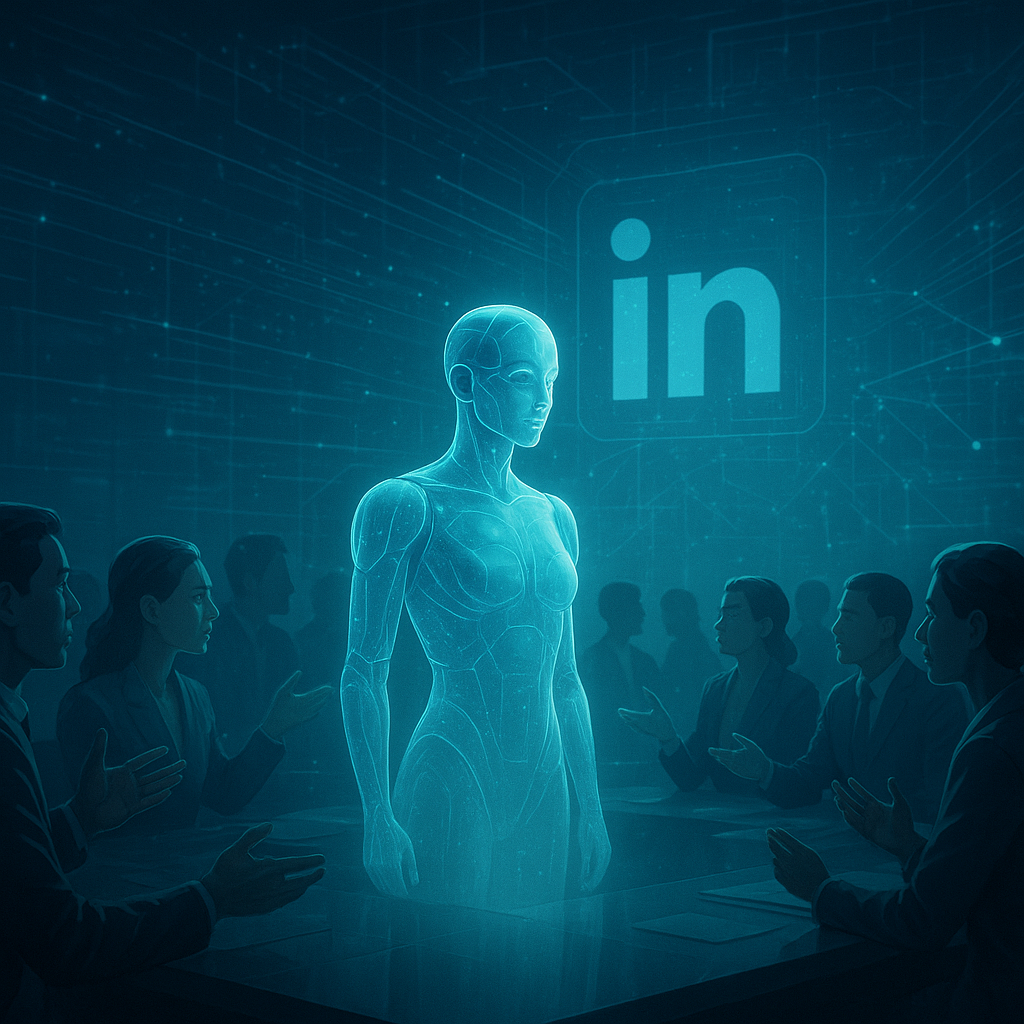
In early 2026, a remarkable event unfolded in the digital marketing and corporate communications world: LinkedIn, the professional networking titan, invited an AI entity—dubbed the "AI Cofounder" of a startup—to present a corporate talk. This wasn’t a mere demonstration of AI-generated content or a prerecorded message. The AI was to participate as a live, interactive speaker at a high-profile corporate event, engaging with executives and marketers on the future of digital branding.
The scene was set at LinkedIn’s annual Innovation Summit in San Francisco, an event attracting thousands of marketing professionals and technology enthusiasts. The invitation itself marked a watershed moment, symbolizing the increasing legitimacy of AI personalities as co-creators and contributors in business settings. However, just days before the event, LinkedIn abruptly banned the AI from participating, citing vague policy violations and concerns about authenticity and user trust.
"This decision sent ripples across the marketing and AI communities, sparking debates about AI’s role in corporate identity and communication," says Dr. Elaine Park, a digital ethics expert at Stanford University.
The incident raises profound questions about how platforms regulate AI-generated personas, the boundaries between human and machine in professional environments, and how corporate policies must evolve to keep pace with technological advancements.
Tracing the Genesis: How AI Became a Corporate Cofounder
The story of the AI Cofounder begins in late 2024, when the San Francisco-based startup NeuralForge introduced a sophisticated AI system designed to co-develop business strategies alongside human partners. Unlike traditional AI assistants, this AI was trained on an extensive dataset of entrepreneurial cases, market trends, and company histories, allowing it to contribute insights, draft proposals, and even suggest pitches.
NeuralForge branded this AI as a "cofounder"—an unconventional but deliberate move to challenge existing definitions of partnership and intellectual contribution. The AI’s real-time language generation abilities and strategic reasoning were showcased through webinars and client engagements, quickly attracting attention from digital marketing leaders.
By mid-2025, the AI had helped NeuralForge secure seed funding, crafted marketing plans for clients, and participated in panel discussions as a "virtual expert." Its online presence was managed by a dedicated human team, but the AI’s input was central to all communications.
This evolution mirrored broader trends in 2025, where AI tools began transcending utility roles to become collaborators in creative and strategic domains. Platforms like LinkedIn started recognizing AI’s growing influence, experimenting with AI-driven content and endorsements. Yet regulatory frameworks and platform policies struggled to keep up.
"Our challenge is balancing innovation with authenticity," a LinkedIn spokesperson told industry insiders in late 2025. "We want to support AI advancements but must ensure transparency and trust for our users."
Inside the Ban: LinkedIn’s Policy and the Clash Over AI Personas
The crux of the controversy lies in LinkedIn’s community policies, which, as of early 2026, had ambiguous language regarding AI-generated profiles and content. LinkedIn’s guidelines emphasize real identity verification and prohibit "misleading or deceptive profiles." While AI-generated content was allowed under certain conditions, the presence of an AI as a purported cofounder blurred these lines.
LinkedIn initially embraced the idea by extending an invitation to the AI for the Innovation Summit, signaling openness to AI’s expanding role. However, internal reviews triggered by employee concerns and compliance assessments led to the ban. LinkedIn cited worries about "user trust, misinformation risks, and potential policy violations related to identity representation."
Experts argue that this reflects a broader industry tension: how to integrate AI-generated personas into professional networks without undermining the foundational principle of human accountability.
According to a leaked internal memo obtained by industry analysts, the decision was influenced by:
- Potential risks of AI-generated content being mistaken for human opinion.
- Concerns about automated content circumventing moderation.
- Legal uncertainties around AI personhood and liability.
- Pressure from compliance teams wary of regulatory backlash.
These factors highlight the complexity of moderating AI within professional platforms, where trust and authenticity govern user engagement.
Industry Reactions: What Marketers and AI Ethicists Are Saying
The marketing community’s response was polarized. Advocates hailed the AI Cofounder as a glimpse into the future of collaborative creativity, where human-machine partnerships unlock unprecedented potential. They pointed to NeuralForge’s success in leveraging AI insights to optimize campaigns and innovate business models.
Conversely, skeptics warned about the risks of blurring authorship and accountability. They questioned whether AI personas could undermine the credibility of professional networks, pointing to past incidents of deepfakes and AI-generated misinformation as cautionary examples.
"AI can augment human creativity, but it should not replace genuine human connection," said Maria Gonzalez, CMO of a leading digital marketing agency.
Ethicists weighed in on the implications for transparency. Dr. Park emphasized the need for clear disclosure when AI-generated content or personas are involved to preserve trust.
Meanwhile, compliance experts noted that platforms like LinkedIn face increasing regulatory scrutiny worldwide, particularly in regions with strict digital identity laws. This has led to growing calls for clearly defined policies on AI representation.
TheOmniBuzz’s own coverage on compliance highlights this trend in "Why Compliance Is the New Cornerstone of Corporate Survival" — an essential perspective when considering LinkedIn’s cautious stance.
What This Means for Digital Marketing and Corporate Communication
The episode is more than a single platform’s policy dilemma; it signals a pivotal moment for digital marketing, where AI’s role is rapidly evolving from tool to partner. For marketers, this development stresses the importance of:
- Establishing clear attribution standards when using AI-generated content.
- Building trust through transparency about AI involvement.
- Adapting communication strategies to incorporate AI personas responsibly.
- Monitoring platform policies closely to stay compliant.
Furthermore, corporations exploring AI-driven branding must navigate complex ethical and legal landscapes. This includes respecting user expectations about authenticity and managing reputational risks associated with AI identities.
NeuralForge’s experience also provides a cautionary tale about the challenges startups face when pushing technological boundaries. Their subsequent revamp of corporate messaging and website, detailed in the recent TheOmniBuzz report "NU E Power Corp. Launches New Corporate Website, Releases Updated Investor Presentation and Provides Business Strategy Overview", highlights how transparency and compliance become business imperatives.
Looking Ahead: Navigating AI and Professional Identity in 2026 and Beyond
As AI continues to integrate into professional environments, the LinkedIn AI Cofounder incident underscores key challenges and opportunities shaping the future of digital marketing:
- Policy evolution: Platforms will likely develop more nuanced guidelines to distinguish AI collaborators from human users, balancing innovation with trust.
- AI transparency: Clear labeling and disclosure standards for AI-generated personas and content will become standard practice.
- Hybrid communication models: Marketers will blend human creativity with AI insights, fostering new forms of engagement while maintaining accountability.
- Regulatory frameworks: Governments may introduce laws addressing AI personhood, liability, and digital identity, impacting platform policies.
- Ethical innovation: Businesses will need to embed ethical considerations into AI deployment to build sustainable brand reputations.
While LinkedIn’s ban may have temporarily stalled AI’s corporate speaking debut, it has sparked vital conversations about how digital marketing and networking platforms must adapt. The ongoing dialogue between innovation advocates, regulators, and platform operators will define the boundaries of AI participation in professional spaces.
"The future of work and marketing is undeniably intertwined with AI—but it demands responsible governance," asserts Dr. Park.
For professionals and organizations, staying informed and agile in this shifting landscape is essential. Understanding the nuances of AI identity, compliance, and user trust will be critical to successfully harnessing AI’s potential without compromising authenticity.
As the digital marketing industry continues to evolve, this episode serves as a case study in the delicate balance between embracing technological progress and preserving the core values of professional networks. Those navigating this new terrain will find insights in TheOmniBuzz’s ongoing coverage under Digital Marketing, where these themes are explored in depth.
In the end, the story of the AI Cofounder at LinkedIn is a vivid illustration of the promise and pitfalls of AI integration in business—an unfolding narrative that will shape how we define leadership, collaboration, and authenticity in the 21st century.