For many adults and teens, the desire for straighter teeth is strong — but so is the hesitation about wearing noticeable metal braces. Whether you work in a professional environment, attend social events frequently, or simply prefer a more discreet approach to orthodontic care, visible brackets and wires can feel like a barrier.
Fortunately, modern orthodontics offers a solution that corrects alignment while remaining virtually invisible. Lingual braces are designed to straighten teeth from behind, allowing you to improve your smile without broadcasting your treatment to the world.
If you’re exploring options like lingual braces Garden Grove CA, understanding how they work, who they’re best suited for, and what to expect during treatment can help you decide whether they’re the right fit for your goals.
What Are Lingual Braces?
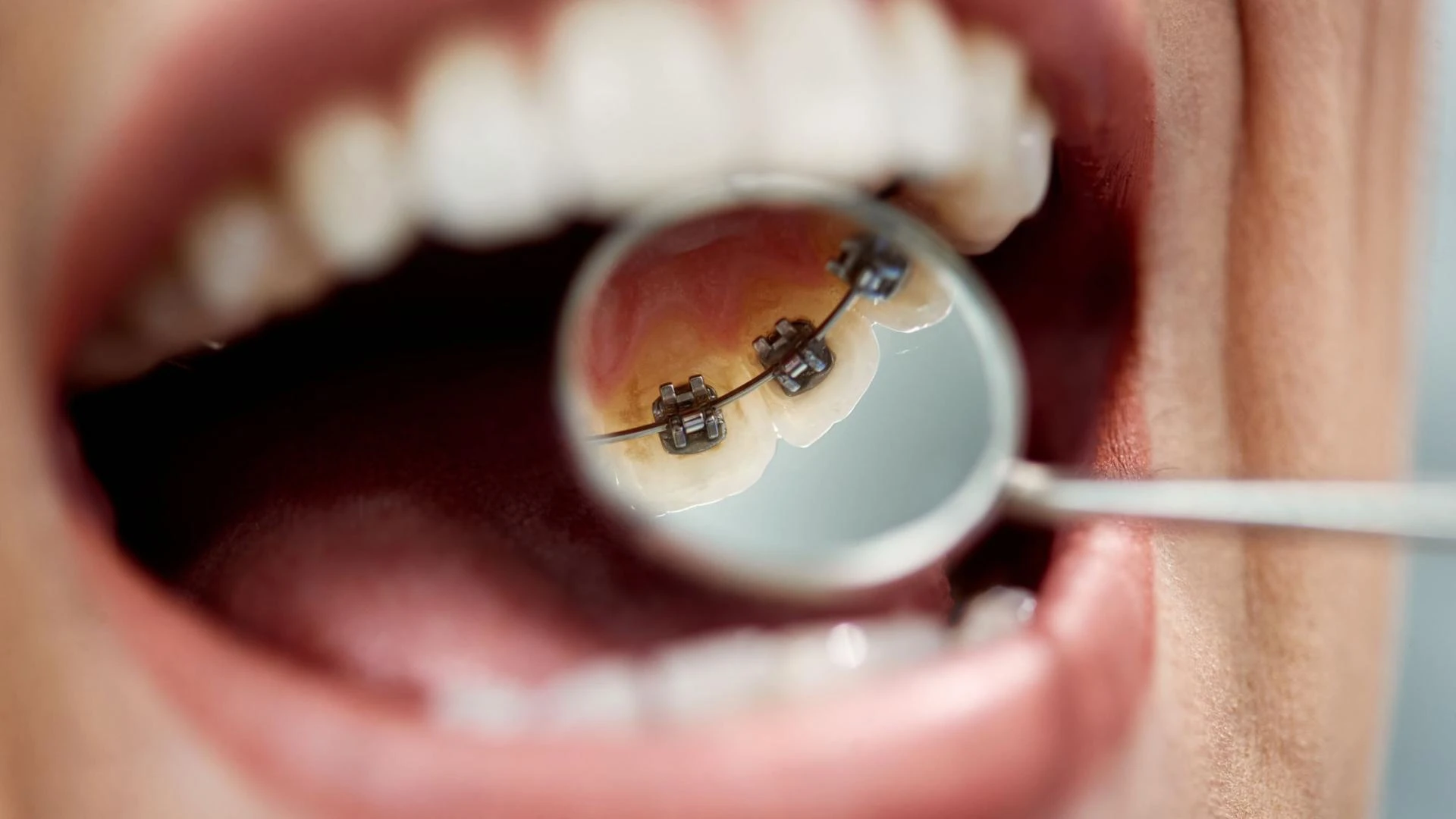
Lingual braces function similarly to traditional braces — but with one key difference: they’re attached to the back (tongue-side) surfaces of your teeth rather than the front.
From the outside, no brackets or wires are visible. When you smile, speak, or laugh, your orthodontic treatment remains hidden.
Because the inner surfaces of teeth vary from person to person, lingual braces are typically custom-made to match your specific dental anatomy. This precision allows for accurate tooth movement while maintaining comfort as much as possible.
How Lingual Braces Work
Despite being hidden, lingual braces use the same fundamental orthodontic principles as traditional braces.
Gentle, Continuous Pressure
Brackets and wires apply gradual force to shift teeth into proper alignment over time. Adjustments are made periodically by your orthodontist to guide teeth step by step into their ideal positions.
Customized Design
Since the back of your teeth is more irregular than the front, lingual braces are carefully tailored to your bite and dental structure. This customization allows orthodontists to treat:
- Crowding
- Spacing issues
- Overbites and underbites
- Crossbites
- Misaligned teeth
The treatment timeline varies depending on complexity, but for many patients, results are comparable to conventional braces.
Why Patients Choose Lingual Braces
Lingual braces are not just about aesthetics — though discretion is a major advantage. They also offer structural and functional benefits.
Nearly Invisible Treatment
The most obvious benefit is discretion. For adults in client-facing roles, students in social environments, or anyone who prefers privacy during treatment, lingual braces offer peace of mind.
You don’t need to worry about photos, presentations, or conversations revealing your orthodontic journey.
Continuous Correction
Unlike removable aligners, lingual braces stay in place at all times. That means you don’t have to remember to put them back in after meals or worry about losing trays.
This constant positioning ensures uninterrupted tooth movement.
Effective for Complex Cases
While clear aligners are popular, they may not be ideal for every orthodontic issue. Lingual braces can handle a wide range of alignment challenges, including more complex bite corrections.
For patients who want invisibility but need the power of traditional braces, lingual systems often provide a strong balance.
What to Expect During the Adjustment Period
It’s important to be realistic about the adaptation process.
Because lingual braces sit close to the tongue, some patients experience:
- Temporary speech changes
- Mild tongue irritation
- Slight discomfort during initial days
Most people adjust within a few weeks. Orthodontists often provide guidance to ease this transition, including wax placement tips and speech adaptation exercises.
Like any orthodontic treatment, mild soreness is common after adjustments — but it typically fades within a few days.
Oral Hygiene With Lingual Braces
Maintaining good oral hygiene is essential throughout orthodontic treatment.
Since lingual braces are positioned behind the teeth, cleaning requires careful attention. You may need:
- Specialized toothbrushes
- Interdental brushes
- Water flossers
- Floss threaders
Your orthodontist will demonstrate techniques that keep plaque from building around brackets.
Good hygiene habits not only protect your teeth but also help prevent extended treatment time.
Who Is a Good Candidate for Lingual Braces?
Lingual braces are particularly appealing for:
- Adults in professional settings
- Public speakers or performers
- Teens who want discreet correction
- Patients needing more complex tooth movement
- Individuals who prefer fixed appliances over removable trays
That said, not everyone is an ideal candidate. Severe bite conditions, very small teeth, or certain anatomical factors may influence suitability.
A comprehensive orthodontic evaluation determines whether lingual braces are appropriate for your case.
Comparing Lingual Braces to Other Options
Understanding how lingual braces compare to alternatives can help you make a confident choice.
Lingual Braces vs. Traditional Braces
- Traditional braces are visible from the front.
- Lingual braces are hidden behind teeth.
- Both provide strong corrective power.
- Lingual braces may require more customization and precision.
Lingual Braces vs. Clear Aligners
- Aligners are removable; lingual braces are fixed.
- Aligners depend on patient compliance.
- Lingual braces work continuously.
- Some complex movements may be better addressed with fixed systems.
Each method has pros and cons. Your orthodontist will assess bite alignment, lifestyle factors, and treatment goals to recommend the best path.
How Long Does Treatment Take?
Treatment time varies based on:
- Severity of misalignment
- Patient age
- Compliance with care instructions
- Biological response to tooth movement
For many cases, lingual braces take a similar amount of time as traditional braces — often between 18 to 24 months.
However, simpler alignment cases may finish sooner.
Consistency with appointments and proper hygiene helps keep treatment on track.
Cost Considerations
Lingual braces often cost more than traditional braces due to:
- Custom fabrication
- Advanced training required
- Precision placement
The investment reflects the level of personalization involved.
Many orthodontic offices offer financing plans to make treatment manageable.
The Confidence Factor
For many patients, the psychological benefit of discretion is significant.
Adults who postponed orthodontic treatment earlier in life often feel more comfortable starting now because lingual braces remain hidden.
Feeling confident during treatment makes it easier to stay committed to long-term oral health goals.
Long-Term Benefits of Straighter Teeth
Orthodontic treatment isn’t just cosmetic. Straighter teeth can:
- Improve bite function
- Reduce uneven wear
- Lower risk of gum disease
- Make brushing and flossing easier
- Support jaw health
Improved alignment can also enhance facial balance and overall smile aesthetics.
Investing in orthodontics is both a cosmetic and functional decision.
The Consultation Process
If you’re considering lingual braces, your first step is a consultation. This typically includes:
- Digital scans or impressions
- Bite analysis
- Discussion of treatment goals
- Review of medical and dental history
From there, your orthodontist outlines a customized treatment plan.
For individuals researching discreet orthodontic options in Orange County, learning more about lingual braces Garden Grove CA can help clarify whether this approach aligns with your needs and lifestyle.
Final Thoughts
Orthodontic treatment has evolved far beyond bulky metal braces. Lingual braces offer a powerful solution for patients who want effective correction without visible hardware.
They combine customization, consistent movement, and discretion — making them especially appealing to adults and professionals who want their smile transformation to remain private.
If straighter teeth have been on your mind but visible braces have held you back, lingual braces may provide the balance you’ve been looking for: effective alignment with minimal aesthetic impact.
When guided by an experienced orthodontic team, this option can help you achieve a confident, healthier smile — quietly and confidently.