
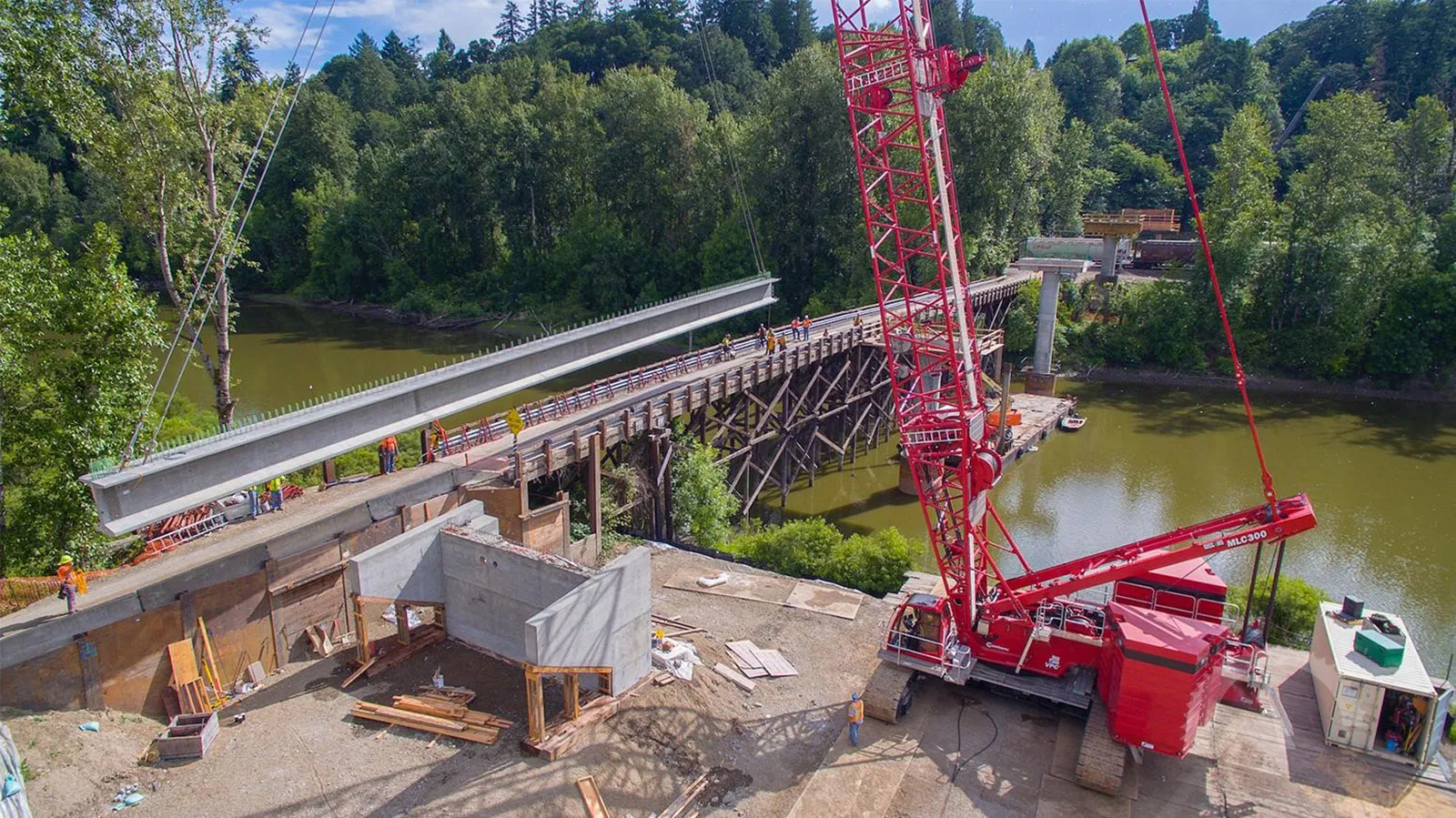
Moving something heavy isn’t just about strength—it’s about using the right tools. Imagine trying to lift a car with your hands. No matter how strong you are, it’s simply not practical. That’s where cranes come in. They do the heavy lifting so people don’t have to.
For construction companies, contractors, and even homeowners tackling big projects, choosing to rent crane in Toronto can be a smart, efficient solution. Instead of investing in expensive equipment that may only be used occasionally, renting gives you access to powerful machines exactly when you need them.
This guide breaks everything down in simple, easy-to-understand terms. Whether you're new to cranes or just exploring your options, you’ll find clear answers and helpful insights here.
What Does It Mean to Rent a Crane?
Renting a crane is similar to borrowing a specialized tool for a short time. You pay for access to the equipment without owning it. Once your job is complete, the crane goes back to the rental company.
Think of it like renting a ladder for a day instead of buying one you’ll rarely use—but on a much larger scale.
Most crane rental services also include an experienced operator. This is important because cranes aren’t simple machines. They require skill, precision, and a strong understanding of safety.
Why Renting a Crane Makes Sense
Not every project needs permanent equipment. In fact, most don’t. Renting offers several practical advantages.
Saves You Money
Buying a crane is a major expense. It’s not just the purchase price—you also have to consider maintenance, storage, and insurance. Renting allows you to avoid these long-term costs.
Flexible for Different Jobs
Every project is different. One day you might need to lift steel beams, and another day you might need to move large equipment. Renting lets you choose the right crane each time.
No Maintenance Headaches
Cranes require regular servicing to stay safe and functional. Rental companies handle all of that, so you don’t have to worry about repairs or inspections.
Access to Skilled Operators
Operating a crane isn’t something you can learn overnight. Most rental services provide trained professionals who know how to handle the equipment safely.
Types of Cranes You Can Rent
Even though cranes all serve the same basic purpose, they come in different shapes and sizes. Each type is suited for specific tasks.
Mobile Cranes
These are the most common and versatile. They can travel easily and are quick to set up. If your project requires flexibility, this is often the best choice.
Tower Cranes
You’ve probably seen these on large construction sites. They’re fixed in place and used for tall buildings.
Rough Terrain Cranes
Built for uneven ground, these cranes are perfect for outdoor construction sites where the surface isn’t smooth.
Compact Cranes
These smaller cranes are ideal for tight spaces, like indoor projects or narrow areas.
For many everyday projects, people choose to rent mobile crane in Toronto because it offers a good balance of power and mobility.
Common Situations Where Cranes Are Needed
Cranes aren’t just for skyscrapers. They’re used in many different situations.
Construction Projects
This is the most obvious use. Cranes lift materials like steel, concrete, and wood to different levels.
Home Improvements
You might need a crane to lift a hot tub onto a rooftop or move heavy items during renovations.
Industrial Work
Factories often use cranes to install or relocate large machines.
Tree Removal and Landscaping
Sometimes cranes are used to remove large trees safely without damaging nearby structures.
Event Setup
Large stages, lighting rigs, and decorations often require cranes for assembly.
How to Choose the Right Crane for Your Project
Picking the right crane doesn’t have to be complicated. It’s all about understanding your needs.
Know the Weight
Start by figuring out how heavy your load is. This helps determine the lifting capacity required.
Consider the Height
How high does the object need to go? This affects the type and size of the crane.
Look at the Space
If your work area is tight, you’ll need a smaller, more compact crane.
Check Ground Conditions
Soft or uneven ground may require a crane designed for stability in those conditions.
Ask for Expert Advice
Rental companies can guide you. They’ve seen all kinds of projects and can recommend the best option.
Safety: The Most Important Factor
Cranes are powerful machines, and safety is critical. A small mistake can lead to serious problems.
Proper Setup Is Essential
Before lifting anything, the crane must be stabilized and positioned correctly.
Communication Matters
Workers and operators need to stay in sync. Clear signals or radio communication help avoid confusion.
Avoid Overloading
Every crane has a limit. Exceeding it can be dangerous, just like overloading an elevator.
Regular Inspections
Reliable rental companies ensure their cranes are well-maintained and safe to use.
What Happens During the Rental Process?
If you’ve never rented a crane before, here’s what you can expect.
Step 1: Describe Your Project
You’ll share details like the weight of the load, the height, and the location.
Step 2: Get a Recommendation
The rental company suggests the best crane for your needs.
Step 3: Schedule the Service
You choose when and how long you’ll need the crane.
Step 4: Delivery and Setup
The crane arrives at your site, ready to go.
Step 5: Job Completion
Once the work is finished, the crane is removed.
It’s a straightforward process designed to save you time and effort.
Understanding the Cost
Crane rental prices can vary depending on several factors.
Type of Crane
Larger or more specialized cranes cost more.
Duration
You might be charged by the hour, day, or week.
Operator Fees
If an operator is included, that may affect the price.
Transportation
Moving the crane to your site can add to the cost.
Permits
Some projects require permits, especially in busy areas.
Always ask for a detailed quote so you know exactly what to expect.
Permits and Rules You Should Know
In a city environment, there are rules about where and how cranes can be used.
You may need permits if:
- The crane will block traffic
- The project is in a public space
- The lift is large or complex
Rental companies often help with this process, making it easier for you to stay compliant.
Tips for a Smooth Experience
A little planning goes a long way when renting a crane.
Book Early
Waiting until the last minute can limit your options.
Be Clear About Your Needs
The more details you provide, the better the service you’ll receive.
Choose a Trusted Provider
Look for companies with good reputations and proper certifications.
Focus on Safety
Never cut corners. Safety should always come first.
Why Renting Beats Doing It Yourself
Some people consider handling heavy lifting without a crane. While that might work for small tasks, it’s risky for anything substantial.
Using a crane is like using a forklift instead of carrying boxes by hand—it’s faster, safer, and far more efficient.
Professionals bring experience, proper equipment, and a clear understanding of how to get the job done without unnecessary risks.
Conclusion
Cranes make the impossible possible. They allow us to lift, move, and place heavy objects with precision and ease. For most projects, renting is the smartest choice. It saves money, reduces stress, and ensures you have the right equipment for the job.
Whether you’re working on a construction site, upgrading your home, or managing an industrial project, renting a crane can simplify the entire process. With the right planning and support, you can complete your work safely and efficiently.
Frequently Asked Questions (FAQ)
1. How much does it cost to rent a crane?
The cost depends on the type of crane, how long you need it, and whether an operator is included. Prices can range from hourly rates to full-day packages.
2. Do I need a license to rent a crane?
You don’t need a license to rent one, but operating it requires proper training. That’s why most rentals include a certified operator.
3. How long can I rent a crane for?
You can rent a crane for a few hours, a full day, or even several weeks, depending on your project.
4. What size crane do I need?
It depends on the weight and height of your lift. A rental company can help you choose the right size based on your requirements.
5. Is it safe to use a crane for small projects?
Yes, as long as it’s operated by trained professionals and set up correctly. Even smaller jobs can benefit from the safety and efficiency cranes provide.