Safety is a fundamental priority in maritime operations. Whether it is a commercial shipping vessel, fishing boat, offshore support craft, or recreational yacht, having reliable safety equipment onboard can significantly reduce risks during emergencies. Among the most important life-saving systems available are Lifebuoys, Liferaft Hire, and professional Liferaft Servicing.
These essential marine safety solutions help protect crew members and passengers while ensuring vessels comply with maritime safety regulations.
The Role of Lifebuoys in Marine Safety
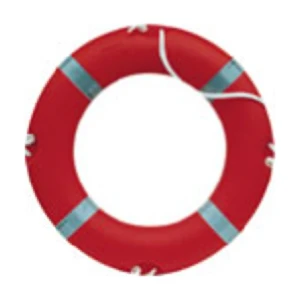
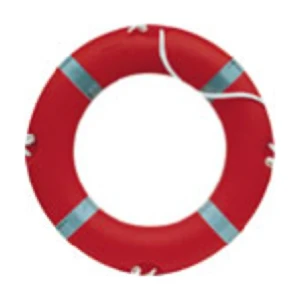
A lifebuoy is one of the most recognizable and widely used pieces of marine safety equipment. Designed to provide immediate flotation support to a person who has fallen overboard, lifebuoys can be deployed quickly during emergencies.
In man-overboard situations, a lifebuoy serves several critical purposes:
- Provides buoyancy to keep a person afloat
- Marks the location of the individual in the water
- Helps rescuers maintain visual contact
- Allows time for safe recovery procedures
Modern lifebuoys are often equipped with reflective tape, floating grab lines, and automatic lights to improve visibility, especially in low-light conditions. Their simple yet effective design makes them one of the most reliable tools for emergency response at sea.
Liferaft Hire: Flexible Safety for Temporary Needs
While many vessels purchase liferafts for permanent use, liferaft hire has become an increasingly popular solution for temporary maritime operations.
Liferaft hire is especially useful for:
- Short-term offshore projects
- Charter vessels
- Seasonal marine operations
- Yacht deliveries and voyages
- Temporary compliance requirements
Hiring a liferaft provides vessel operators with access to certified safety equipment without the need for large upfront investments. Most liferaft hire services supply fully inspected and ready-to-use liferafts that meet maritime safety standards.
This option allows operators to maintain safety compliance while reducing long-term equipment management responsibilities.
Liferaft Servicing: Ensuring Equipment Reliability
Even the most advanced safety equipment requires routine maintenance. Liferaft servicing is a critical process that ensures liferafts remain operational and ready for emergency deployment.
Marine environments are harsh. Saltwater exposure, humidity, and temperature fluctuations can gradually affect the components of a liferaft. Without proper maintenance, inflation systems or survival supplies may fail when needed most.
Professional liferaft servicing typically includes:
- Inspecting inflation cylinders and valves
- Testing automatic inflation systems
- Examining raft fabric for damage or wear
- Replacing expired survival supplies
- Checking emergency equipment within the raft
- Repacking and sealing the liferaft container
These inspections ensure the equipment remains compliant with international safety standards established by the International Maritime Organization.
Regular servicing not only protects passengers and crew but also ensures vessels meet maritime safety regulations.
Why Marine Safety Equipment Maintenance Matters
Proper maintenance and inspection of marine safety equipment are essential for several reasons:
Improved Emergency Preparedness
Regular inspections ensure safety equipment functions correctly during emergencies.
Compliance with Safety Regulations
Maritime authorities require vessels to maintain certified safety equipment.
Extended Equipment Lifespan
Routine servicing helps preserve the condition and reliability of safety systems.
Increased Crew Confidence
Knowing that equipment has been properly maintained improves safety awareness and preparedness among crew members.
Building a Safer Maritime Environment
Maritime safety depends on preparation, proper equipment, and responsible vessel management. By investing in reliable safety tools such as Lifebuoys, arranging Liferaft Hire when needed, and scheduling regular Liferaft Servicing, vessel operators can significantly improve emergency readiness.
These measures not only protect lives but also help maintain professional standards across the maritime industry.
Conclusion
Operating in marine environments requires careful planning and strict attention to safety procedures. Essential equipment like Lifebuoys, certified Liferaft Hire, and routine Liferaft Servicing form the backbone of maritime safety systems.
By ensuring that these critical life-saving tools are always available and properly maintained, vessel operators can navigate the seas with greater confidence and responsibility.
In maritime operations, preparation is the strongest defense against unexpected challenges at sea.