
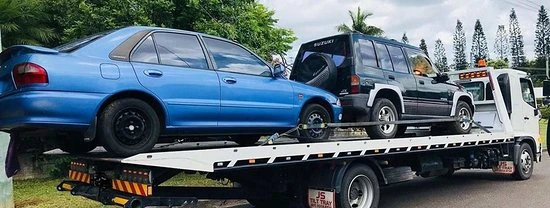
When a car can no longer serve its owner, the story does not end there. While it may have lost its place on the road, the vehicle still holds value in many forms. From parts under the bonnet to materials in the frame, nearly every section of a car has something to offer once it reaches a salvage yard.
Auto salvage is a careful mix of manual skill and method. It involves more than simply removing pieces. It is about understanding which components can be reused, how they should be removed, and what can be recycled. This process supports industries like mechanical repair, metal recycling, and manufacturing, and helps reduce the pressure on landfills.
What is Auto Salvage?
Auto salvage is the process of recovering and reusing parts and materials from vehicles that are no longer in use. These vehicles may have been damaged in accidents, failed inspections, or simply reached a point where the cost of repair was too high.
In Australia, thousands of vehicles are taken off the road each year. Many of them go to salvage yards where skilled workers begin the job of stripping and sorting. Items like engines, gearboxes, and alternators are removed and checked. Usable parts are often cleaned, labelled, and stored for resale or reuse.https://cashmyscrapcar.com.au/
According to the Federal Chamber of Automotive Industries, Australians purchase over one million new vehicles annually. That figure keeps the cycle of trade-in, scrap, and salvage turning.
Removing Parts with Purpose
When a vehicle arrives at a salvage yard, it does not go straight to the crusher. First, it is logged and placed in a holding area. The vehicle is then drained of all fluids to prevent leaks. Fuel, coolant, engine oil, and brake fluid are all removed. These liquids are either treated or disposed of according to environmental rules.
Next comes the dismantling stage. Workers remove parts that still function or hold metal value. These can include:
- Engines and transmissions
- Alternators and starters
- Radiators and air conditioning systems
- Doors, mirrors, and lights
- Wheels and tyres
- Electrical wiring and fuses
These items are sorted by make and model. Some go to workshops for future use, while others are sold to drivers looking for replacements.
Science Behind Recycling
Not everything from a car can be reused as a working part. Some materials must go through recycling. Metals are among the most useful. Steel, aluminium, and copper can be separated and sent to recycling plants. Once processed, these materials become part of new vehicles, building supplies, or household items.
Plastic parts like bumpers and dashboards can also be shredded and reused. Rubber from tyres may end up in flooring, sports tracks, or insulation products.
Australia recycles more than 70 per cent of vehicle materials on average, with the rest managed through regulated disposal. This helps keep large amounts of waste out of landfill and lowers the need to extract new raw materials.
Why Mechanics and Workshops Use Salvage
Mechanics rely on salvage yards to find parts that are hard to locate through other channels. In many cases, manufacturers stop producing parts for older models. Salvage yards offer a second source for these items.
Some mechanics also use salvaged parts to reduce the time it takes to complete a job. Instead of waiting for new stock, they collect what is available from local yards. The parts are tested and often work just as well when installed with care.
It also gives customers more choice, especially when repairing older vehicles that do not justify the cost of new parts.
When Owners Part Ways with Vehicles
Not all vehicle owners have the time or tools to remove parts themselves. When a car stops running, or the registration runs out, it can sit idle for months. Over time, this may cause safety issues, fines from councils, or harm to the surrounding area.
Many people choose to call a car removal service. These services collect the vehicle and send it to a salvage yard for sorting and recycling. Some services also offer payment based on the condition and type of vehicle. One such approach is known as Cash for Unwanted Cars Sydney, where the vehicle is collected, and the owner receives an amount based on its scrap and parts value.
This method helps remove unwanted vehicles while giving them a new purpose in the salvage system. It also clears space on private land and avoids long-term damage caused by fluid leaks or pests.
Builders and Trades Also Benefit
It is not only mechanics who find value in salvaged vehicles. Builders, welders, and tradespeople often collect metal and parts for projects. Doors and panels may be reshaped into gates or tool racks. Seats and frames are used in custom machinery or storage systems.
The range of uses is wide. Even glass from windows and windscreens can be turned into insulation or reused in certain types of construction. With metal prices often shifting, having access to salvaged material helps reduce project costs and supply delays.
Environmental and Social Impact
Auto salvage supports better outcomes for the environment. By keeping metal, rubber, and plastic out of landfill, it reduces pressure on waste systems. Reuse also limits the need for mining and factory production, both of which take energy and cause emissions.
Socially, salvage work supports jobs across different industries. It brings together mechanics, transport workers, metal workers, and even retail staff. The reuse of materials also keeps older vehicles running, which can be important in regional areas where new parts are hard to find.
Conclusion
Auto salvage is not just about breaking things down. It is about finding value in what others may no longer need. From engines to sheet metal, from wiring to tyres, each piece plays a part in keeping other systems moving.
Once a vehicle leaves the lot, it may begin a different kind of journey. It might become part of another car, a machine, or even a building. That journey supports workers, saves materials, and gives one car many uses beyond its final drive.
Auto salvage shows how something once considered waste can still hold purpose. It is part of a growing shift in how people handle cars at the end of their life—and why that end might just be a new beginning.