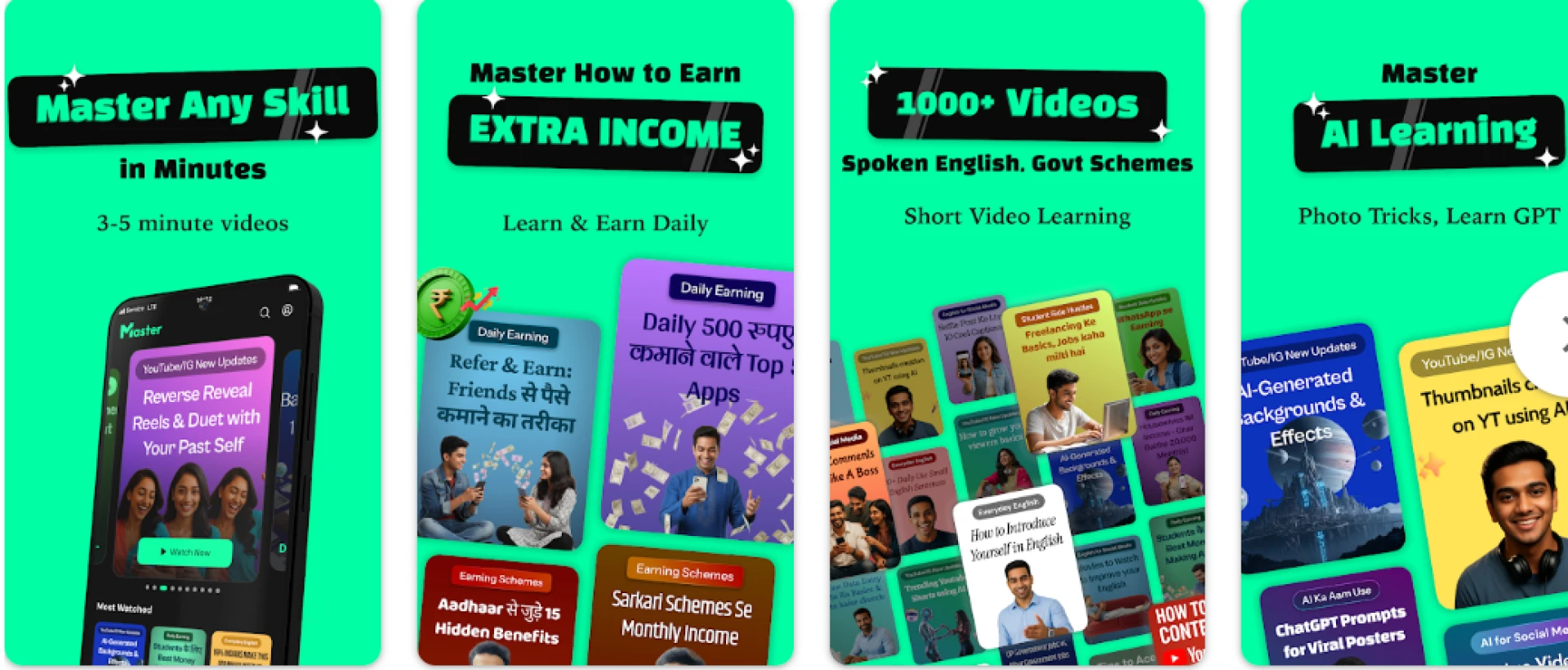
For many people in India, English is more than just a school subject. It plays an important role in job interviews, workplace communication, and daily online interactions. Yet, even after years of studying, many learners hesitate to speak confidently. One reason is that traditional learning often focuses more on grammar and written exercises than real conversations.
Today, technology is gradually changing this learning experience. With the rise of short video learning and mobile-based education tools, practising spoken English has become easier than before. Instead of long lectures, people can watch short videos and gradually learn to speak English in a more practical and comfortable way.
Why Do Many Indians Find Spoken English Difficult?
A large number of learners in India understand English but struggle to speak it in real-life situations. This gap often appears because of limited speaking practice.
Some common reasons include:
- Most school learning focuses on reading and writing rather than conversation.
- Many people feel shy or nervous while speaking English in public.
- There is limited exposure to real-life English conversations.
- Learners worry about making mistakes or being judged.
Because of these challenges, many students and young professionals keep searching for easier ways to learn English without feeling pressured. This is where technology-based learning platforms are helping.
How Short Video Technology is Changing English Learning?
The biggest change in recent years is the rise of microlearning. Instead of long classes, learners can now watch short lessons that explain one concept at a time.
A quick English learning app often uses this approach to make language learning more comfortable.
These short lessons usually focus on:
- Daily conversation sentences
- Common vocabulary used in real life
- Pronunciation tips
- Simple speaking practice examples
Since each lesson is short and focused, learners can easily watch it during small breaks in their day. Over time, this regular exposure helps improve fluency and confidence.
Another advantage of short video learning is that it feels less like studying and more like watching helpful content online.
Benefits of Learning Through a Quick English Learning App
Mobile learning platforms have made language practice more flexible. Instead of waiting for a classroom session, people can learn directly from their smartphones.
Some key benefits include:
- Learn anytime and anywhere: Lessons can be watched while travelling, during breaks, or at home.
- Short and focused learning sessions: Small lessons make it easier to remember phrases and sentence structures.
- Better pronunciation practice: Listening to spoken examples helps learners understand natural accents and tone.
- Consistent daily exposure: Regular practice helps learners gradually learn English speaking with more confidence.
Because of these advantages, many learners prefer using a quick English learning app as part of their daily practice routine.
Practical Tips to Improve English Speaking Faster
While apps provide useful tools, consistent practice is still the key to improvement.
Simple habits that help:
- Try repeating sentences from short lessons aloud.
- Practice speaking small sentences during daily conversations.
- Listen carefully to pronunciation in videos.
- Use newly learned words in simple dialogues.
Even 10–15 minutes of regular practice can gradually help someone learn english speaking more comfortably.
Some digital platforms, like Master AI, also encourage interactive learning where users can watch short content and improve their communication skills through daily engagement.
Conclusion
Learning spoken English no longer has to feel slow or difficult. With short video lessons and mobile learning tools, practicing everyday conversation has become easier for many Indian learners. Instead of long classes, people can now improve their communication skills through small, consistent lessons.
A quick English learning app allows learners to watch practical examples, understand pronunciation, and build confidence step by step. When combined with regular practice and real conversations, these tools can make the journey to learn English speaking smoother and more enjoyable.
As digital learning platforms such as Master AI continue to grow, short-form educational content may play an even bigger role in helping people build language skills in the future.