Acne may eventually clear, but the marks and changes left behind can remain much longer. For people dealing with uneven skin texture, depressed scars, or persistent discoloration, laser procedures have become one of the treatment options worth researching. However, not every acne scar is the same, and the most suitable laser approach depends on the type, depth, skin condition, and overall treatment goals.
Understanding how laser procedures work, what they can realistically improve, and what recovery may involve can help you make a more informed decision.
What Causes Acne Scars?
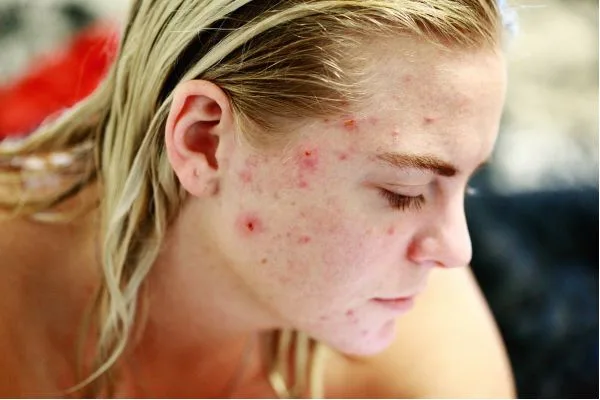
Acne can damage the skin during the healing process. When the skin produces too little or too much collagen after inflammation, it may leave behind a visible change in texture.
Common forms include:
- Atrophic scars: Depressed areas caused by collagen loss.
- Ice-pick scars: Small but deeper, narrow indentations.
- Rolling scars: Broad depressions that create an uneven skin surface.
- Boxcar scars: Wider depressions with more defined edges.
- Post-acne pigmentation: Dark or discoloured areas that may remain after the acne itself has disappeared.
This distinction matters because a procedure that works well for pigmentation may not produce the same results for deeper textural scars.
How Does Laser Treatment Work on Acne Scars?
Laser procedures use controlled energy to target specific layers or structures within the skin. Depending on the technology used, the treatment may stimulate collagen production, resurface the outer skin, or encourage the skin's natural repair process.
Over time, newly produced collagen can help improve the appearance of uneven texture and make certain scars less noticeable.
Rather than simply removing a scar, the objective is generally to encourage gradual skin remodeling.
Which Acne Scars Can Laser Procedures Improve?
Laser-based treatments can be particularly useful when acne has left behind uneven texture or certain types of pigmentation. However, results vary according to scar characteristics.
Depressed Acne Scars
Some resurfacing lasers can stimulate collagen beneath the skin, potentially making shallow to moderate depressions appear smoother.
Uneven Skin Texture
If your skin feels rough or irregular after acne, resurfacing treatments may help create a more even-looking surface.
Acne-Related Pigmentation
Certain laser technologies may be considered for pigmentation left after acne. However, pigmentation requires careful assessment, particularly for people with darker skin tones, because inappropriate treatment settings can sometimes worsen discoloration.
Deeper or Fibrotic Scars
Very deep scars may require a combination approach rather than laser treatment alone. Depending on the scar pattern, a dermatologist may consider procedures such as subcision, microneedling, chemical treatments, or other scar-focused techniques.
Laser Resurfacing vs Other Acne Scar Treatments
Laser treatment is not automatically the best option for every person. Different procedures address different aspects of scarring.
TreatmentOften Considered ForLaser resurfacingTexture, collagen remodeling and selected scarsFractional laserUneven texture and certain depressed scarsMicroneedlingMild-to-moderate textural irregularitiesSubcisionRolling or tethered scarsChemical peelsSurface irregularities and selected pigmentationFillersCertain deeper depressed scarsCombination treatmentMultiple scar types or more complex casesA professional assessment can determine whether one procedure or a combination would make more sense.
What Happens During a Laser Session?
The exact process varies depending on the laser technology and treatment intensity. Generally, the skin is cleansed and prepared before the procedure. A topical numbing product may be used when appropriate to improve comfort.
The practitioner then applies the laser to the targeted areas using settings selected according to the skin and treatment objectives.
Afterwards, the skin may appear red, warm, swollen, or sensitive. Some procedures involve noticeable peeling or temporary crusting, while gentler options may involve much less downtime.
How Many Sessions Might Be Needed?
Acne scars usually do not disappear after one session. Skin remodeling takes time, and the number of treatments required depends on factors such as:
- Type and depth of scarring
- Overall skin condition
- Laser technology selected
- Treatment intensity
- Individual healing response
- Whether other procedures are combined with laser treatment
A treatment plan should therefore be based on the condition of your skin rather than a fixed number of sessions advertised generally.
When Can You Expect Results?
Some improvement may become noticeable as the skin recovers, but collagen remodeling is gradual. The final outcome can take weeks or months to develop depending on the procedure.
It is also important to understand that acne scar treatments usually aim to reduce the visibility of scars rather than completely erase them. Setting realistic expectations is an important part of the consultation process.
What Is Recovery Like?
Recovery depends heavily on the type of laser used.
A gentler treatment may cause temporary redness and sensitivity, while a more intensive resurfacing procedure can require a longer recovery period.
During recovery, your skincare professional may recommend:
- Keeping the skin properly moisturized
- Avoiding unnecessary sun exposure
- Using appropriate broad-spectrum sunscreen
- Avoiding picking, scratching, or peeling the treated skin
- Pausing irritating skincare products until the skin has recovered
- Following all post-treatment instructions carefully
Sun protection is especially important because recently treated skin can be more vulnerable to pigmentation changes.
Is Laser Treatment Suitable for Every Skin Type?
Not necessarily. Skin tone, pigmentation tendency, active acne, medications, previous treatments, and the type of scarring all need to be considered.
For darker skin tones in particular, treatment selection and laser settings require careful consideration because some procedures may carry a higher risk of post-inflammatory hyperpigmentation.
This is why choosing treatment based solely on online before-and-after photographs may not be appropriate.
What Should You Ask Before Treatment?
A consultation should be more than simply asking about the price. Consider asking:
- What type of acne scars do I have?
- Which laser technology is being recommended and why?
- Is the treatment appropriate for my skin tone?
- How many sessions might I realistically need?
- What kind of downtime should I expect?
- What side effects are possible?
- Would another procedure work better for my particular scars?
- Could a combination treatment provide a better outcome?
- What should I avoid before and after treatment?
These questions can help you understand whether the proposed procedure actually matches your skin concerns.
How to Choose the Right Acne Scar Treatment
The most effective approach is rarely determined by the keyword “laser” alone. The important question is which treatment is appropriate for the specific scar pattern.
A dermatologist or qualified aesthetic medical professional can examine the depth, shape, pigmentation, and distribution of your scars before recommending a treatment plan.
If you have active, inflamed acne, that may also need to be controlled before focusing primarily on scar correction.
Final Thoughts
Laser procedures can be a useful option for improving certain acne scars, particularly when uneven texture and collagen loss are major concerns. However, outcomes depend on the type of scar, treatment technology, skin characteristics, and aftercare.
Researching Laser Treatment for Acne Scars is a good starting point, but the right procedure should ultimately be selected after an individual skin assessment. Understanding the available options and having realistic expectations can help you approach treatment with greater confidence.