Hair loss can feel frustrating, especially when it starts affecting confidence and daily life. While there are countless treatments on the market, laser hair treatment for hair loss has emerged as a popular, science-backed option that doesn’t involve surgery or harsh chemicals. This innovative approach, often referred to as Low-Level Laser Therapy (LLLT), focuses on stimulating hair follicles and encouraging natural growth in a safe and painless way.
So, how does it actually work? Laser hair treatment uses low-level light energy to penetrate the scalp and stimulate blood circulation. This process helps deliver more oxygen and nutrients to hair follicles, which are essential for healthy hair growth. Over time, dormant follicles can become active again, leading to thicker, fuller hair. Unlike more aggressive treatments, this method doesn’t damage the scalp or existing hair, making it an appealing option for those looking for a gentle solution.
One of the biggest advantages of this treatment is its non-invasive nature. There are no incisions, no downtime, and minimal side effects. Many people compare the experience to sitting under a warm light—completely comfortable and stress-free. This makes it ideal for individuals who are not ready for surgical procedures or who want to complement other hair restoration methods. It’s also suitable for both men and women experiencing different stages of hair thinning.
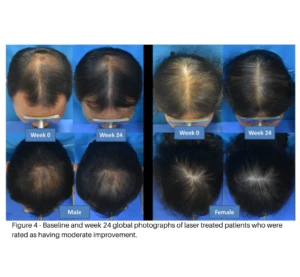
Consistency plays a key role in seeing results. Laser hair treatment is not an overnight fix; instead, it works gradually over several weeks or months. Regular sessions help maintain follicle activity and support continuous growth. Many users begin to notice reduced shedding first, followed by visible improvements in hair density. Patience is essential, but the long-term benefits can be significant when the treatment is followed correctly.
Another important factor is safety. Laser hair therapy has been clinically studied and is considered safe when administered properly. It does not rely on medications, which means there’s less risk of systemic side effects. This makes it a suitable option for people who may not respond well to topical or oral treatments. However, consulting with a specialist ensures that the therapy is tailored to individual needs and hair loss patterns.
For those exploring effective non-surgical options, learning more about laser hair treatment for hair loss can provide valuable insights into how this technology works and what results to expect. Understanding the process helps set realistic expectations and ensures better outcomes.
Ultimately, laser hair treatment offers a balanced approach—combining modern technology with natural hair regrowth. It’s not just about restoring hair; it’s about restoring confidence in a way that feels comfortable and sustainable.