Setting the Stage: A Courtroom Moment That Echoed Globally
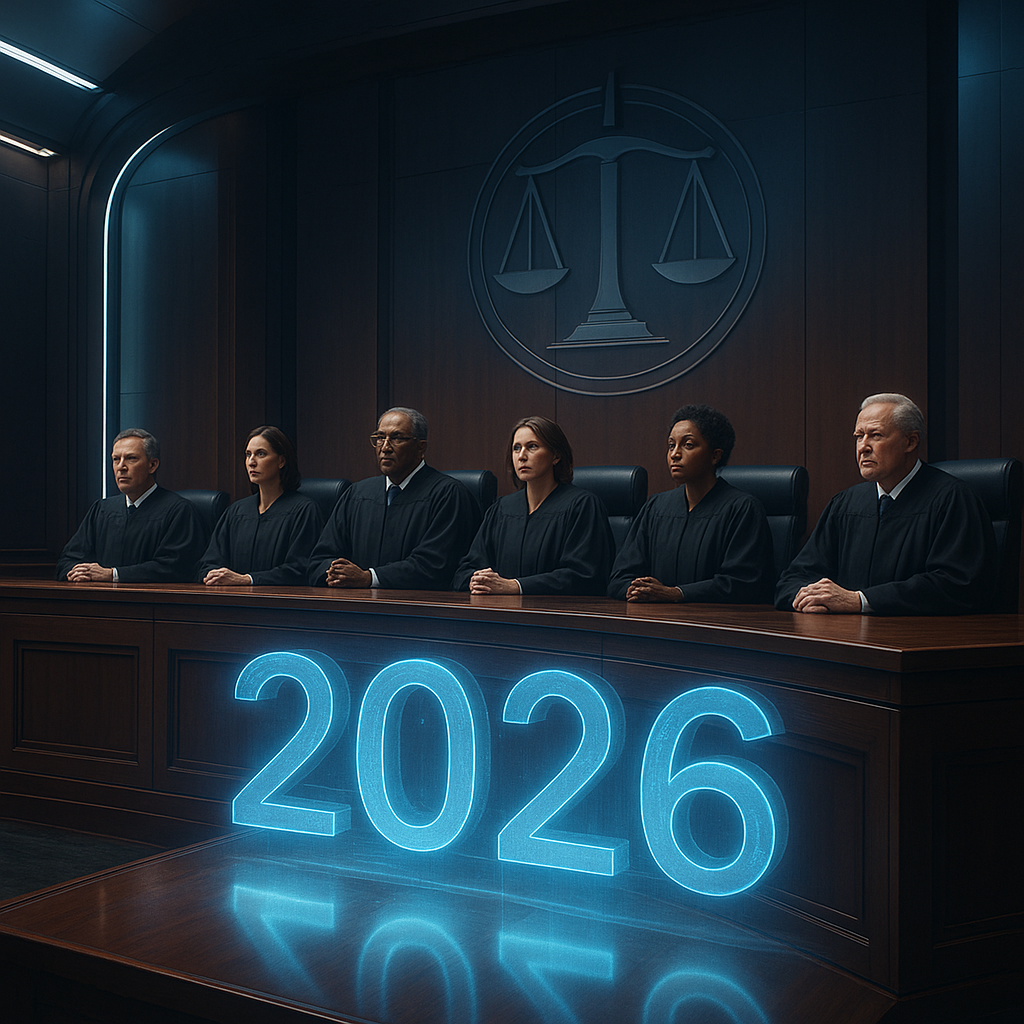
On March 15, 2026, the Supreme Court delivered a ruling that has already sent ripples through the legal and policy landscapes worldwide. The case, Jackson v. United States Department of Privacy, centered on the intersection of individual privacy rights and emerging artificial intelligence regulations. What made this decision remarkable was not only its immediate legal impact but its broader implications for governance, technology, and civil liberties. The courtroom in Washington, D.C., was packed, with representatives from tech companies, civil rights organizations, and government agencies all keenly observing the proceedings.
The ruling addressed contentious issues surrounding government surveillance capabilities, data protection frameworks, and the limits of executive power in regulating AI-driven data analytics. It was hailed by some as a victory for privacy advocates but criticized by others as a potential hindrance to national security efforts.
“This decision marks a pivotal moment where the judiciary steps in to define the boundaries of privacy in an AI-powered era,” remarked legal scholar Dr. Helena Marks during the post-ruling press conference.
As the dust settled, analysts began dissecting how this ruling could influence not only future litigation but also legislative priorities and corporate compliance strategies.
Tracing the Path: Legal and Technological Backdrop to the 2026 Ruling
To appreciate the full significance of the 2026 judgment, it is essential to understand the confluence of legal precedents and technological advancements that led to this juncture. Over the past decade, AI's rapid development has outpaced regulatory frameworks globally, especially in the US, where federal legislation has struggled to keep pace with innovation.
Prior landmark cases, such as Riley v. California (2014) and Carpenter v. United States (2018), established foundational protections against warrantless digital searches and location tracking. However, these rulings did not fully anticipate AI’s capacity to analyze massive data sets and infer sensitive personal information beyond traditional surveillance.
Simultaneously, the introduction of the 2023 AI Privacy and Transparency Act had sought to impose stricter controls on AI systems used by government entities, emphasizing user consent and algorithmic accountability. However, ambiguity around the act’s enforcement provisions created legal gray areas, which ultimately culminated in the dispute at the heart of Jackson.
According to TheOmniBuzz’s analysis, the convergence of rising public concern over data privacy and increasing government reliance on AI tools for law enforcement created a perfect storm for judicial intervention. This context is explored in depth in our article How Court Rulings Shape Society: Unpacking Their Lasting Impact.
The 2026 Ruling: Dissecting the Core Legal Reasoning and Data
The Supreme Court’s majority opinion, authored by Justice Elena Navarro, centered on a constitutional interpretation of the Fourth Amendment’s protection against unreasonable searches and seizures as applied to AI-enabled data collection. The ruling held that government agencies must obtain individualized warrants supported by probable cause before accessing or analyzing personal data through AI algorithms, even if aggregated from public or third-party sources.
Justice Navarro emphasized that while technological evolution necessitates new legal frameworks, constitutional protections must not be eroded in the process. The decision explicitly rejected the government’s argument that broad data aggregation fell outside Fourth Amendment coverage, stating:
“The capacity of AI to synthesize and infer intimate details from disparate data necessitates stringent judicial oversight to safeguard individual liberties.”
The court also addressed transparency obligations, mandating that agencies disclose AI tools’ deployment and provide audit trails to affected individuals upon request. This transparency requirement is expected to increase accountability and enable better oversight of AI applications in public sectors.
Statistically, the ruling impacts an estimated 45 federal agencies and over 120 state and local entities currently employing AI for surveillance and data analysis, according to a 2025 Congressional report. These entities now face substantial compliance challenges, needing to overhaul internal protocols and invest in legal resources to adhere to the new standards.
- Requirement of warrants with probable cause for AI-enabled data searches.
- Mandatory transparency and auditability for government AI systems.
- Preservation of Fourth Amendment protections despite technological advances.
2026 Developments: Rapid Policy Shifts and Industry Reactions
In the weeks following the ruling, federal and state policymakers rushed to update AI governance frameworks to align with the court’s directives. The Department of Justice announced the establishment of a new AI Compliance Office tasked with overseeing lawful AI use and auditing agency practices.
Meanwhile, tech companies that provide AI surveillance tools experienced increased scrutiny. Many, such as Sentinel Analytics and DataGuard AI, have proactively enhanced their platforms to support warrant-based access and transparency features, anticipating tighter regulatory landscapes. Industry leaders voiced mixed reactions, balancing enthusiasm for clearer rules with concerns over operational burdens and potential constraints on innovation.
“The ruling injects much-needed clarity but also imposes significant compliance costs that could stifle smaller AI vendors,” warned Maria Chen, CEO of Sentinel Analytics.
Privacy advocacy groups hailed the decision as a victory and immediately called for further legislative reforms to broaden AI oversight beyond government use, including private sector applications.
Legal experts are also monitoring how lower courts interpret and implement this ruling in related cases, which will shape its practical scope. TheOmniBuzz’s coverage on judicial missteps in this domain offers valuable insights, especially highlighted in When Justice Stumbles: Unpacking Common Mistakes in Court Rulings.
Voices from the Field: Expert Opinions and Policy Implications
Prominent legal analysts and policy makers have weighed in on the ruling’s significance. Professor David Singh, an expert in constitutional law at Georgetown University, commented:
“This decision reaffirms the judiciary's vital role in adapting constitutional doctrines to emerging technologies, ensuring that rights evolve alongside capabilities.”
Conversely, some security officials expressed apprehension that heightened warrant requirements could impede timely intelligence gathering, especially in counterterrorism contexts.
Policy think tanks suggest that the ruling will likely catalyze a wave of AI-related legislative initiatives, focusing on balancing privacy, security, and innovation. These include proposals for enhanced algorithmic transparency standards, independent AI oversight bodies, and expanded civil liberties protections.
- Creation of federal AI oversight entities.
- Enhanced transparency mandates for both government and private AI use.
- Investment in AI ethics research and public education.
The ruling also raises important questions about international legal harmonization, as other democracies grapple with similar challenges. Cross-border data flows and multinational AI deployments complicate enforcement, requiring coordinated policy responses.
Looking Ahead: What This Means for the Future of Law and Technology
As the legal community digests the ruling’s ramifications, several key trends are emerging that will shape future court decisions and policy debates. First, there is a clear push towards embedding constitutional safeguards into AI regulatory regimes, ensuring that innovation does not come at the expense of fundamental rights.
Second, the ruling underscores the necessity for robust transparency and accountability mechanisms in AI systems, a theme echoed in ongoing legislative efforts worldwide.
Finally, this case signals a broader judicial willingness to confront complex technological questions head-on, setting a precedent for proactive rather than reactive legal interpretations.
Legal practitioners and policymakers should closely monitor the evolving jurisprudence and regulatory responses, adapting strategies accordingly. For broader context on how court decisions influence societal frameworks, readers may consult TheOmniBuzz’s comprehensive piece Unpacking Court Rulings: Essential Insights for Legal Clarity and Impact.
The coming years will be pivotal in determining how laws integrate with AI’s rapid evolution, and the 2026 ruling stands as a cornerstone in this ongoing transformation.