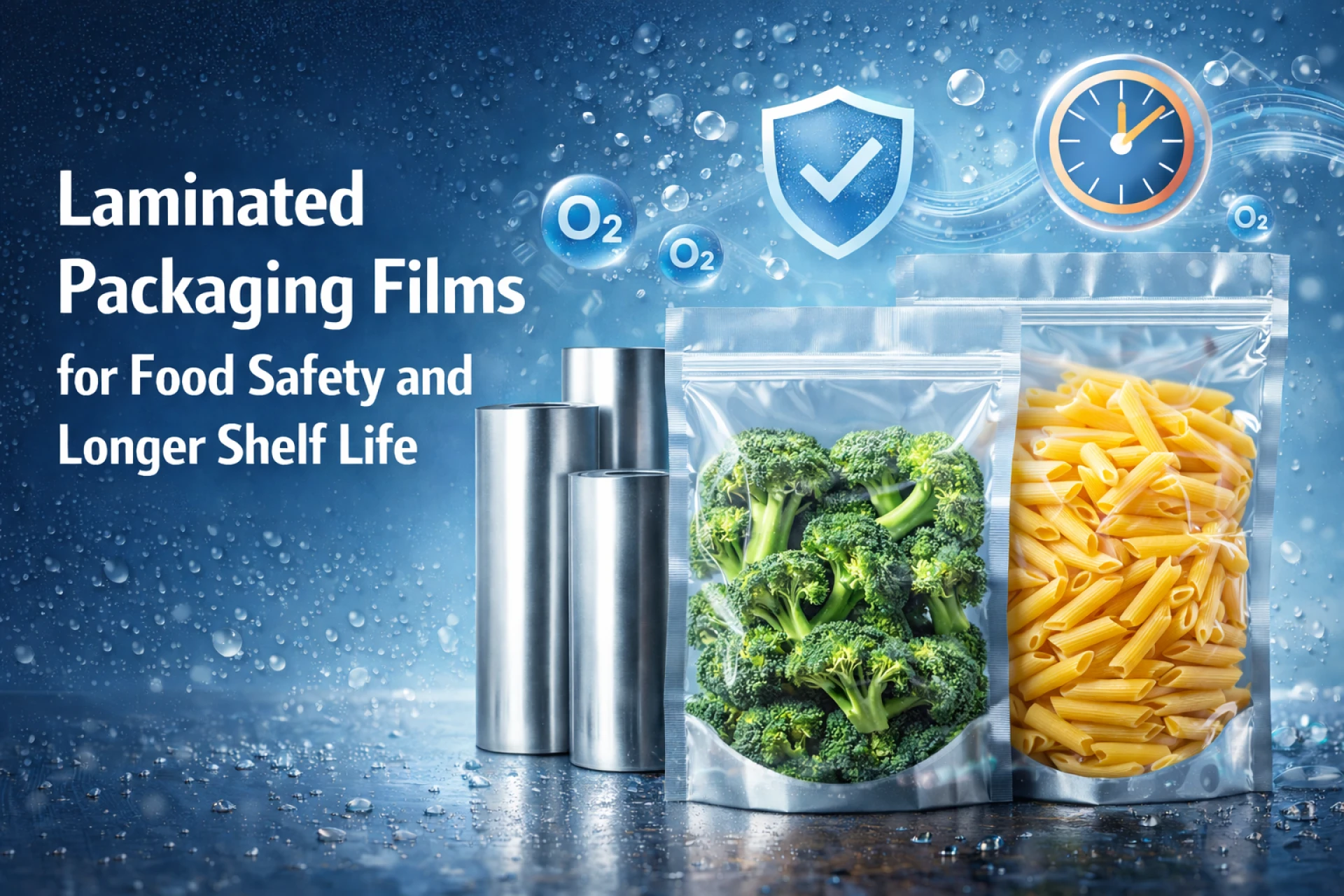
The demand for laminated packaging films for food has increased significantly as food brands prioritize safety, hygiene, and extended shelf stability. In modern supply chains, laminated packaging films for food play a critical role in protecting products from contamination, moisture, oxygen exposure, and environmental fluctuations. Whether it is snacks, dairy, frozen products, or ready-to-eat meals, laminated packaging films for food ensure freshness and consistent quality from production to consumption.
Today’s competitive food market requires packaging that not only preserves taste and texture but also complies with strict food safety regulations. Laminated packaging films for food are engineered using advanced material combinations that enhance durability, sealing strength, and barrier performance. These films form the foundation of flexible packaging structures used across retail and export markets.
What Are Laminated Packaging Films for Food?
Laminated packaging films for food are multilayer flexible materials created by bonding two or more film layers together. Each layer serves a specific purpose—outer layers provide printability and strength, middle layers offer barrier protection, and inner layers ensure safe food contact and secure sealing.
The primary objective of laminated packaging films for food is to deliver enhanced protection against oxygen, moisture, light, and microbial contamination. These films are commonly used in pouches, sachets, roll form packaging, and vacuum packs.
Common material combinations include:
- PET / PE laminates
- BOPP / CPP structures
- PET / Aluminum Foil / PE
- Nylon / PE
- PET / EVOH / PE
By combining these materials, laminated packaging films for food achieve optimal barrier performance and structural reliability.
Importance of Food Safety in Laminated Packaging Films
Food safety is one of the most important considerations in packaging design. Laminated packaging films for food are manufactured using food grade laminated films that comply with safety standards and regulatory guidelines. These films prevent contamination and preserve nutritional value throughout the product’s shelf life.
1. Protection from Oxygen
Oxygen exposure can lead to oxidation, discoloration, and spoilage. Laminated packaging films for food incorporate barrier layers that significantly reduce Oxygen Transmission Rate (OTR), helping maintain product freshness.
2. Moisture Resistance
Humidity can cause clumping, microbial growth, and texture degradation. Laminated packaging films for food use moisture-resistant inner layers to protect dry products such as spices, flour, and snack items.
3. Aroma and Flavor Retention
High-quality laminated packaging films for food prevent aroma loss, ensuring the product retains its intended flavor profile during storage and transportation.
Role of Food Grade Laminated Films
Food grade laminated films are specifically developed to ensure safe contact with edible products. Laminated packaging films for food must pass migration tests and comply with food safety norms to prevent harmful chemical transfer.
Food grade laminated films offer:
- Non-toxic inner sealing layers
- High seal integrity
- Chemical resistance
- Compatibility with various food categories
Manufacturers focus on precision lamination processes to ensure laminated packaging films for food meet both safety and performance standards.
Multilayer Packaging Films India: Growing Demand
The demand for multilayer packaging films India has grown rapidly due to expansion in the processed food and export sectors. Laminated packaging films for food produced in India are increasingly designed to meet international compliance standards.
Multilayer packaging films India manufacturers combine advanced lamination technology with high-speed printing and pouch-making capabilities. Laminated packaging films for food created through multilayer structures provide improved puncture resistance and enhanced barrier properties, making them suitable for a wide range of food applications.
Applications of Laminated Packaging Films for Food
Laminated packaging films for food are widely used across different food categories:
Snack Packaging
Chips, namkeen, and extruded snacks require laminated packaging films for food that prevent oxygen and moisture penetration to maintain crispness.
Dairy and Powdered Products
Milk powder and protein supplements use laminated packaging films for food to prevent moisture absorption and microbial growth.
Ready-to-Eat Meals
Retort laminated packaging films for food are used for heat-treated meals that require high temperature resistance and durability.
Frozen Foods
Barrier films for food packaging help maintain texture and prevent freezer burn in frozen products.
Spices and Condiments
Laminated packaging films for food preserve aroma and protect against humidity exposure.
Barrier Films for Food Packaging
Barrier films for food packaging are an essential component of laminated packaging films for food. These films reduce gas permeability and prevent spoilage caused by environmental exposure.
Barrier films for food packaging may include aluminum foil, metallized polyester, or EVOH layers that enhance moisture and oxygen protection. Laminated packaging films for food designed with strong barrier properties significantly extend shelf life and reduce food waste.
The integration of barrier films for food packaging ensures that laminated packaging films for food meet the growing demand for safe and durable packaging.
Benefits of Laminated Packaging Films for Food
1. Extended Shelf Life
Laminated packaging films for food slow down oxidation and moisture transfer, increasing product longevity.
2. Improved Product Protection
The multilayer structure ensures strong resistance against punctures, leaks, and contamination.
3. Lightweight and Cost-Efficient
Compared to rigid packaging, laminated packaging films for food reduce material usage and transportation costs.
4. Excellent Print Quality
High-definition printing on laminated packaging films for food enhances shelf visibility and brand recognition.
5. Sustainability Potential
Modern laminated packaging films for food are evolving toward recyclable mono-material structures and reduced plastic thickness.
Quality Control and Testing
Reliable laminated packaging films for food undergo strict testing procedures, including:
- Oxygen Transmission Rate (OTR) testing
- Moisture Vapor Transmission Rate (MVTR) testing
- Seal strength evaluation
- Burst strength testing
- Food-grade compliance checks
These tests ensure laminated packaging films for food maintain consistent barrier performance and structural integrity.
Choosing the Right Manufacturer
Selecting an experienced manufacturer ensures laminated packaging films for food are produced with precision and safety compliance. Companies like White Lotus Industries specialize in advanced lamination technology and high-quality food grade laminated films.
By focusing on innovation, material selection, and quality control, White Lotus Industries supports businesses seeking reliable multilayer packaging films India solutions for both domestic and export markets.
Future of Laminated Packaging Films for Food
The future of laminated packaging films for food lies in sustainable innovation and enhanced barrier performance. As consumer awareness increases, brands are demanding recyclable barrier films for food packaging without compromising shelf life.
Multilayer packaging films India manufacturers are investing in new materials and eco-friendly laminates to balance food safety and environmental responsibility. Laminated packaging films for food will continue evolving to meet global regulatory standards and changing market demands.
Conclusion
Laminated packaging films for food are essential for maintaining food safety, freshness, and extended shelf life. By combining food grade laminated films, advanced barrier films for food packaging, and multilayer packaging films India expertise, businesses can protect product quality across supply chains.
Investing in high-performance laminated packaging films for food ensures durability, regulatory compliance, and strong brand credibility in competitive food markets.