L-Cysteine is an important sulfur-containing amino acid widely used across pharmaceutical, food, cosmetic, and nutritional industries. Known for its functional properties, this amino acid plays a significant role in protein formation and various biological processes. Due to its antioxidant-related properties and versatility, it has become a valuable ingredient in numerous industrial formulations. From dietary supplements and pharmaceutical formulations to personal care products, L-Cysteine offers a broad range of applications. Understanding its properties, benefits, and practical uses can help manufacturers and formulators select the right ingredient for their specific requirements. This article explores the key characteristics, industrial applications, and important considerations associated with this versatile amino acid.
What Is L-Cysteine?
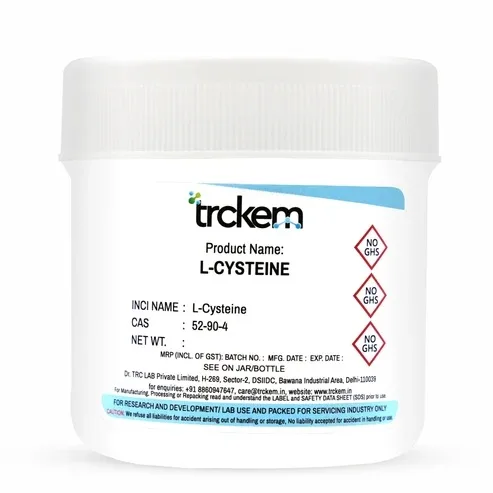
L-Cysteine is a naturally occurring amino acid containing sulfur. Trckem It is considered a building block of proteins and is recognized for its reactive thiol group, which contributes to its unique chemical properties.
The ingredient is commonly used as a raw material in several industries because of its functional versatility. It can support formulation requirements related to stability, processing, and ingredient performance. Its properties make it suitable for applications ranging from nutritional products to cosmetics and specialized industrial formulations.
Key Properties That Make It Valuable
The popularity of L-Cysteine across different industries is connected to several important characteristics. Depending on the formulation and intended application, manufacturers value this ingredient for its functional role and compatibility.
Some notable properties include:
- Sulfur-containing amino acid structure
- Good relevance in protein and peptide-related applications
- Functional antioxidant-related characteristics
- Versatile use across multiple industries
- Suitable for specialized formulations
- Used as an intermediate or functional ingredient
- Available for different commercial and industrial requirements
These characteristics have contributed to its growing importance among ingredient manufacturers and formulation professionals.
Major Applications of L-Cysteine
1. Pharmaceutical Industry
The pharmaceutical industry uses amino acids and related compounds in various formulations and manufacturing processes. L-Cysteine may be used as an ingredient or intermediate depending on the specific formulation requirements.
Its chemical characteristics make it relevant for pharmaceutical research, nutritional preparations, and other specialized applications. However, manufacturers should always select the appropriate grade based on regulatory and product specifications.
2. Nutritional and Dietary Applications
Amino acids are widely recognized as important components of proteins. L-Cysteine is therefore used in certain nutritional and dietary supplement formulations.
Product developers may include amino acid ingredients based on the nutritional objectives and formulation requirements of a product. Proper dosage, ingredient compatibility, and applicable regulations should always be considered during product development.
3. Cosmetic and Personal Care Products
The cosmetic industry uses a wide range of functional ingredients to develop innovative formulations. Amino acid-based ingredients can be incorporated into selected personal care and beauty products depending on their intended purpose.
Formulators may consider factors such as ingredient purity, stability, compatibility, and product performance when selecting raw materials. Reliable sourcing is particularly important for businesses working with specialized cosmetic and personal care formulations.
4. Food Processing Applications
Certain amino acid derivatives and ingredients are used in food processing applications. Their functional characteristics can make them useful in specialized manufacturing processes.
Food manufacturers should ensure that the selected material meets relevant food-grade standards and regulatory requirements. Quality control and traceability are essential factors when sourcing ingredients for food-related applications.
Choosing the Right Quality and Supplier
Selecting the right raw material is an important part of successful product development. Buyers should evaluate more than just pricing when sourcing specialty chemical or amino acid ingredients.
Important factors to consider include:
- Product purity and specifications
- Appropriate grade for the intended application
- Certificate of Analysis availability
- Packaging standards
- Storage recommendations
- Batch consistency
- Supplier reliability
- Regulatory documentation
Businesses looking for detailed product information can explore https://trckem.in/products/l-cysteine? to understand product availability and specifications. Working with established ingredient suppliers such as Trckem can help businesses access relevant technical information for their sourcing and formulation requirements.
Storage and Handling Considerations
Proper storage and handling are important for maintaining the quality of chemical and amino acid ingredients. Storage conditions may vary depending on the product grade and supplier recommendations.
In general, manufacturers should follow the information provided in the product's technical documentation and safety data sheet. Materials should be stored in suitable containers and protected from conditions that may affect their quality.
Proper inventory management is also important. Businesses should monitor batch numbers, manufacturing dates, and recommended storage periods to support consistent quality control.
Why Quality Matters in Industrial Formulations
The performance of a final product often depends on the quality and consistency of its raw materials. Even small variations in purity or specifications can influence formulation outcomes.
For this reason, manufacturers should establish clear raw material evaluation processes. Technical teams can assess product specifications before incorporating an ingredient into large-scale production.
Trckem focuses on supplying chemical and specialty ingredients for diverse industrial requirements. Buyers should always communicate their intended application clearly to ensure that the selected grade aligns with formulation and regulatory needs.
Practical Tips for Manufacturers and Buyers
Before purchasing L-Cysteine for industrial use, consider the following practical steps:
- Define the application: Identify whether the ingredient is intended for pharmaceutical, cosmetic, nutritional, or another industrial purpose.
- Check specifications: Review purity levels and other technical parameters relevant to the formulation.
- Request documentation: Certificates and technical documents can support quality assessment.
- Evaluate compatibility: Conduct appropriate testing before large-scale manufacturing.
- Follow regulations: Ensure compliance with standards applicable to your industry and target market.
A structured sourcing process can reduce production risks and support consistent product quality.
The Growing Importance of L-Cysteine Across Industries
As industries continue to develop specialized formulations, the demand for functional and high-quality raw materials remains important. Amino acid-based ingredients are increasingly relevant because of their versatility and compatibility with different product categories.
Manufacturers are focusing more on ingredient quality, traceability, and technical specifications. This trend highlights the importance of choosing reliable sourcing partners and maintaining strong quality-control practices.
With applications spanning pharmaceuticals, nutrition, cosmetics, and industrial processing, L-Cysteine continues to be an important ingredient for businesses seeking specialized formulation solutions.
Conclusion
L-Cysteine is a versatile sulfur-containing amino acid with significant relevance across pharmaceutical, nutritional, cosmetic, food, and industrial applications. Its unique chemical characteristics make it useful in a variety of formulations and manufacturing processes.
For manufacturers and formulators, selecting the appropriate grade, reviewing technical specifications, and following proper handling practices are essential steps. By focusing on quality, documentation, and application-specific requirements, businesses can make informed decisions when sourcing and using L-Cysteine in their products.