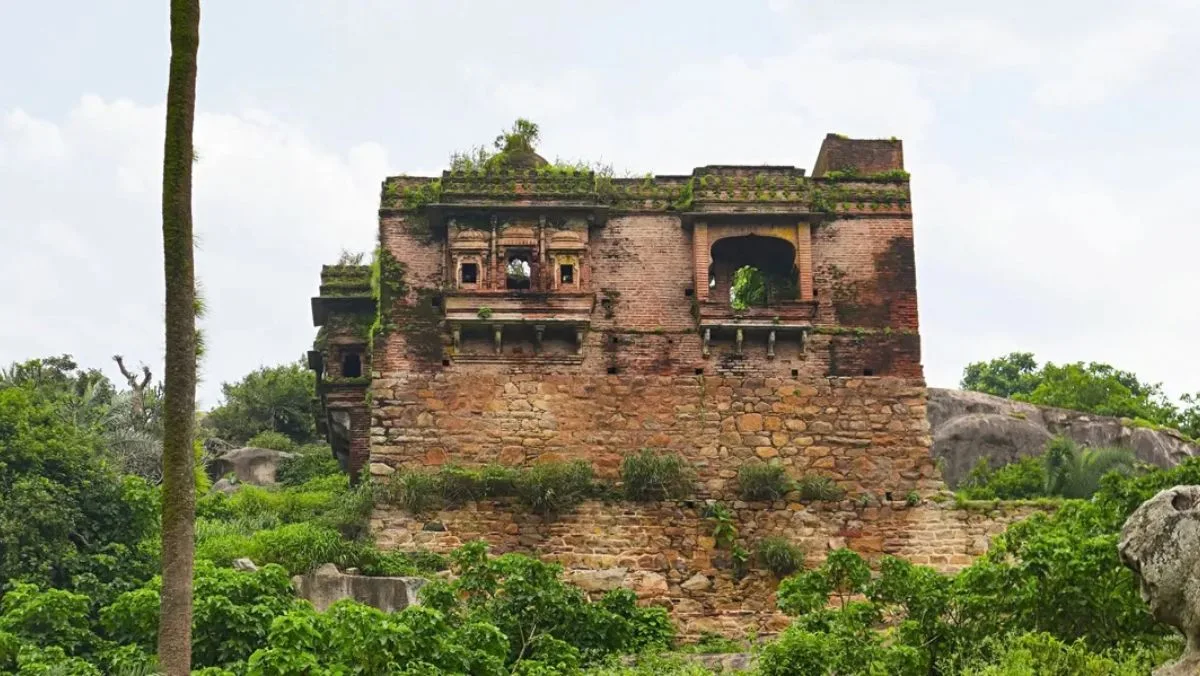
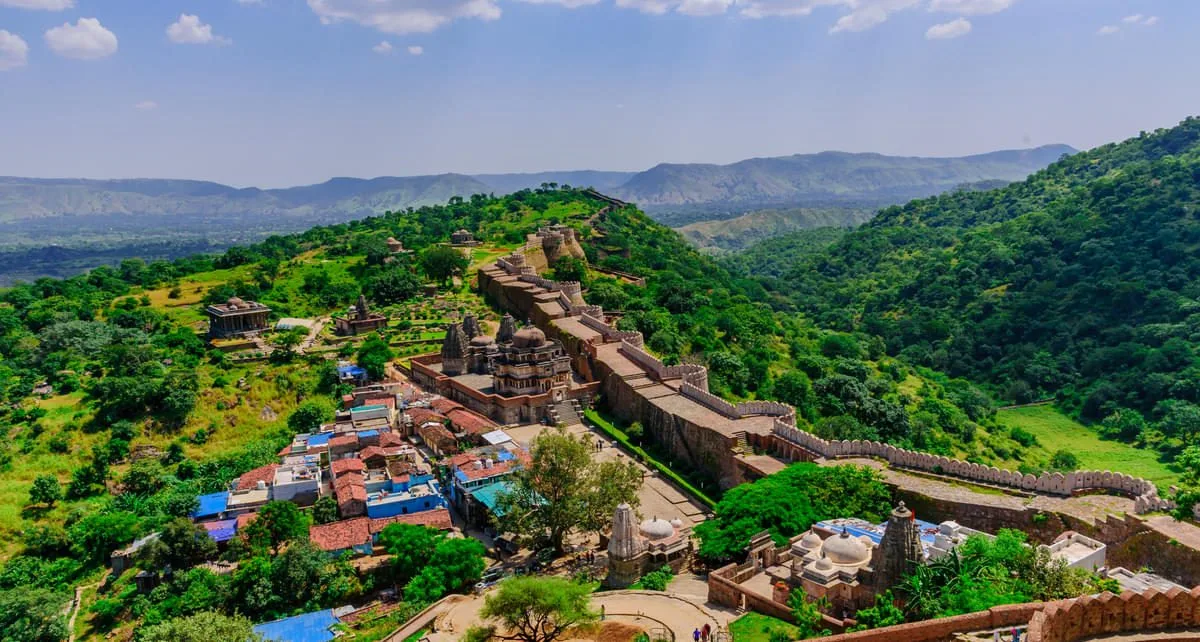
Nestled within the rugged folds of the Aravalli Hills, Kumbhalgarh stands as one of Rajasthan’s most evocative historical landscapes. Dominated by a citadel whose fortifications stretch across thirty-six kilometers, this Mewar bastion blends architectural grandeur with untamed deciduous forest. Planning a weekend escape here requires a balance of timing, stamina, and an understanding of the region’s topography. This field-tested two-day itinerary guides you through ancient masonry, wildlife-dense forest corridors, and stone temples, ensuring you experience the best of the destination.
Day 1 Morning: Walking the Perimeter of Kumbhalgarh Fort
Begin early at Ram Pol, the main entrance gate to the fort complex. Arriving around 8:30 AM allows you to ascend before the mid-day heat warms the stone pathways. The perimeter wall of Kumbhalgarh is celebrated as the second-longest continuous wall in the world, flanked by watchtowers and curved ramparts designed to withstand prolonged sieges.
Start with the climb toward Badal Mahal, the Palace of Clouds, situated at the fort's highest elevation. The dual sections—the Zanana Mahal for women and Mardana Mahal for men—feature pastel-toned 19th-century murals, narrow stone staircases, and ventilation ducts engineered to circulate mountain breezes. The terrace delivers an unobstructed 360-degree panorama of the surrounding valleys and the undulating fortifications trailing over ridge lines.
Day 1 Afternoon: Heritage Temples and Architectural Marvels
The fort plateau contains over three hundred historic shrines spanning both Hindu and Jain traditions. Rather than attempting to see every structure, concentrate on three architectural highlights:
- Neelkanth Mahadev Temple: Situated close to the base near the eastern ramparts, this shrine houses an impressive six-foot-high lingam made of black stone, supported by twenty-four intricately carved pillars.
- Vedi Temple: A rare, three-tiered sacrificial pavilion built by Rana Kumbha to honor the completion of the citadel, resting on thirty-six columns.
- Parshvanatha Temple Complex: Featuring fine stone carvings of dancers, celestial musicians, and sacred Jain iconography that capture the artisanal height of the 15th century.
After navigating the uneven stone ascents, you will need a hearty mid-day meal. Take a relaxed break to dine at the best restaurants in Kumbhalgarh, where you can savor authentic Mewari preparations such as dal baati churma and gatta curry alongside contemporary multi-cuisine offerings.
Day 1 Evening: Sunset at the Ramparts and Sound & Light Show
Return to the upper battlements near Tara Pol around 5:30 PM. The setting sun casts a golden glow across the raw stone masonry, offering ideal conditions for photography. As dusk settles, make your way down to the central arena for the evening sound and light presentation. The narration recounts the birth of Maharana Pratap, the valor of Rana Kumbha, and the historic defense of Mewar, set against illuminated bastions.
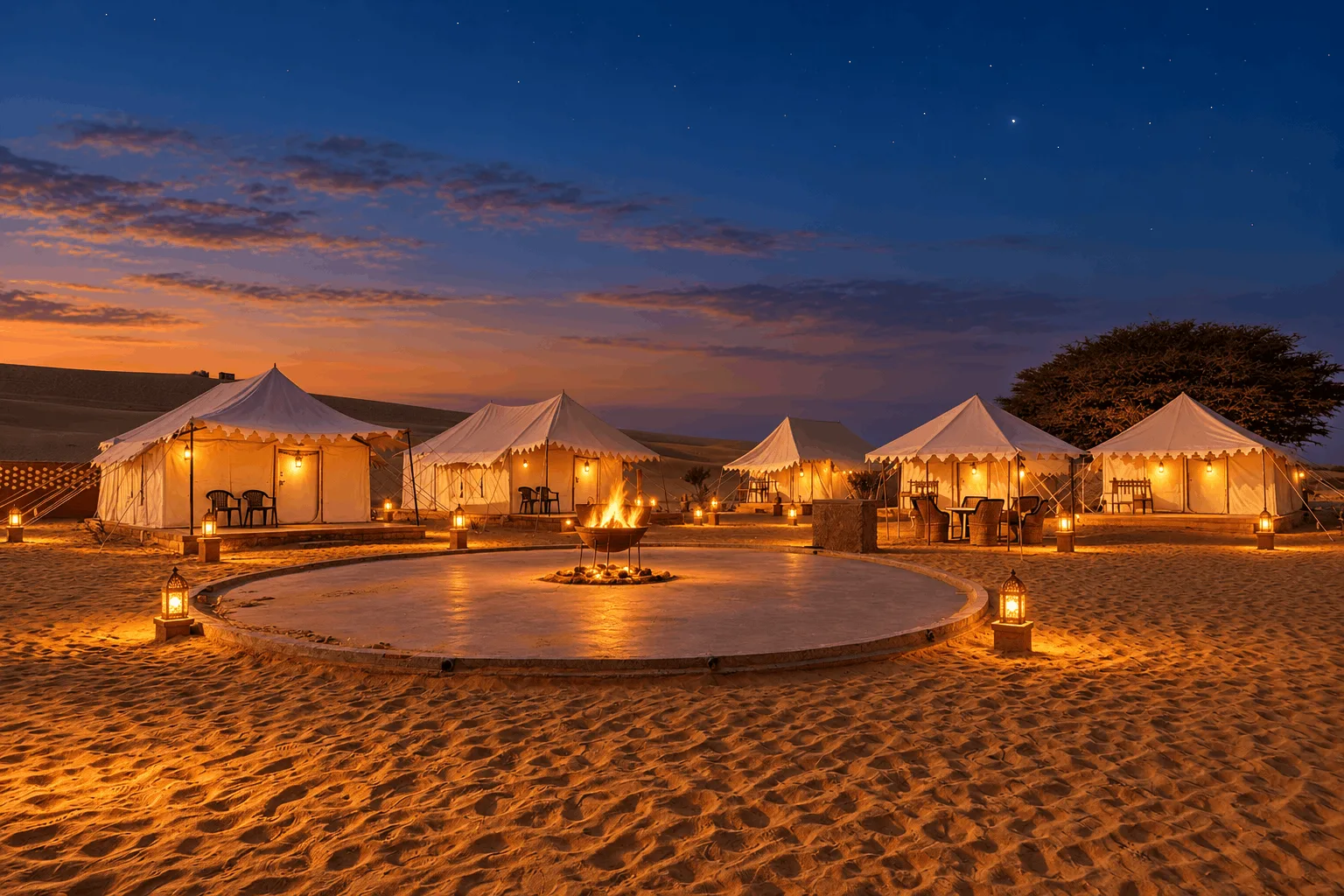
Retire for the night with premier hospitality services in Kumbhalgarh provided by Namoka, where you can unwind in serene valley surroundings, enjoy a warm plunge, and recharge your energy for an early wilderness start the following morning.
Day 2 Morning: Kumbhalgarh Wildlife Sanctuary Jeep Safari
Wake before dawn for the morning safari shift inside the Kumbhalgarh Wildlife Sanctuary, which typically departs between 6:00 AM and 6:30 AM. Covering over six hundred square kilometers across the Aravalli range, this reserve is an important habitat for the Indian wolf, leopard, sloth bear, sambar, nilgai, and striped hyena.
Board an authorized open 4x4 Gypsy with a registered local naturalist guide. The trail winds through dry deciduous teak and sal forests, traversing rocky river beds and secluded watering holes. Early hours offer the greatest chance to encounter a leopard basking on flat granite boulders or bird species such as the grey jungle fowl, Indian pitta, and white-bellied drongo. Keep binoculars handy and wear muted earth-toned clothing to blend with the landscape.
Day 2 Afternoon: Forest Excursion to Ranakpur Jain Temple
After completing your morning safari, take the scenic winding drive across the hill pass toward Ranakpur, located roughly fifty kilometers west of the fort. This drive showcases dramatic drops in altitude and changing plant life as you descend into the valley of the Maghai River.
Constructed in the 15th century from light-colored marble, the Ranakpur Chaturmukha Temple is an undisputed masterpiece of Maru-Gurjara architecture. Over 1,440 individually carved pillars support eighty domes, and no two columns carry identical motifs. Spend two hours quietly touring the pillared halls, observing the play of natural light across marble lattices, and examining the ceiling carvings depicting sacred floral mandalas.
Practical Tips for Kumbhalgarh Travelers
- Best Season to Visit: October through March provides clear skies and comfortable daytime temperatures ranging between 15°C and 28°C.
- Footwear Essentials: The fort involves continuous walking over steep stone ramps and loose gravel; sturdy athletic shoes or hiking boots with strong traction are indispensable.
- Connectivity: Mobile network coverage can fluctuate inside the wildlife sanctuary and deep within the fort's stone chambers; download offline maps before setting out on your trip.