When planning a safari in Tanzania, many travellers focus on the dry season, when wildlife gathers around water sources and game viewing is often more predictable. However, there is another side to Tanzania that deserves attention: the green season. During the rainy months, the landscape transforms, grasslands flourish, migratory birds arrive, and popular destinations can feel more peaceful.
For travellers seeking something beyond the traditional safari experience, travelling to Tanzania in the rainy season can be a rewarding alternative. The scenery becomes vibrant, the atmosphere changes, and the opportunity to explore Africa at a different pace creates a memorable journey.
But is the green season worth it? The answer depends on your priorities, travel dates, and expectations. With thoughtful planning, a Tanzania green season safari can offer exceptional scenery, fascinating wildlife encounters, and a more relaxed way to discover this remarkable country.
1. What Is Tanzania’s Green Season?
Tanzania generally experiences two rainy periods, although their timing and intensity vary by region. The longer rains typically occur from March to May, while the shorter rains usually arrive around November and December. January and February can bring a relatively dry interval in some areas, but conditions differ across the country.
During the rainy months, dry plains gradually turn green, trees produce fresh foliage, and seasonal water sources appear. The changing environment supports new plant growth and attracts a variety of birds and other wildlife.
It is important to remember that Tanzania does not experience identical weather everywhere. The Serengeti, Ngorongoro Conservation Area, Tarangire National Park, and coastal destinations can have different conditions at the same time. Rain may arrive as a brief afternoon shower in one location and persist for longer in another.
Rather than treating the green season as a single, predictable period, travellers should consider the specific destinations they want to visit and the conditions expected during their travel dates. This makes it easier to design an itinerary that balances wildlife viewing, comfortable accommodation, and outdoor activities.
2. Wildlife Encounters Beyond the Dry Season
One of the biggest misconceptions about a rainy-season safari is that wildlife disappears when the landscape becomes green. Animals remain present throughout the year, although their movements, visibility, and behaviour can change with the weather and availability of food and water.
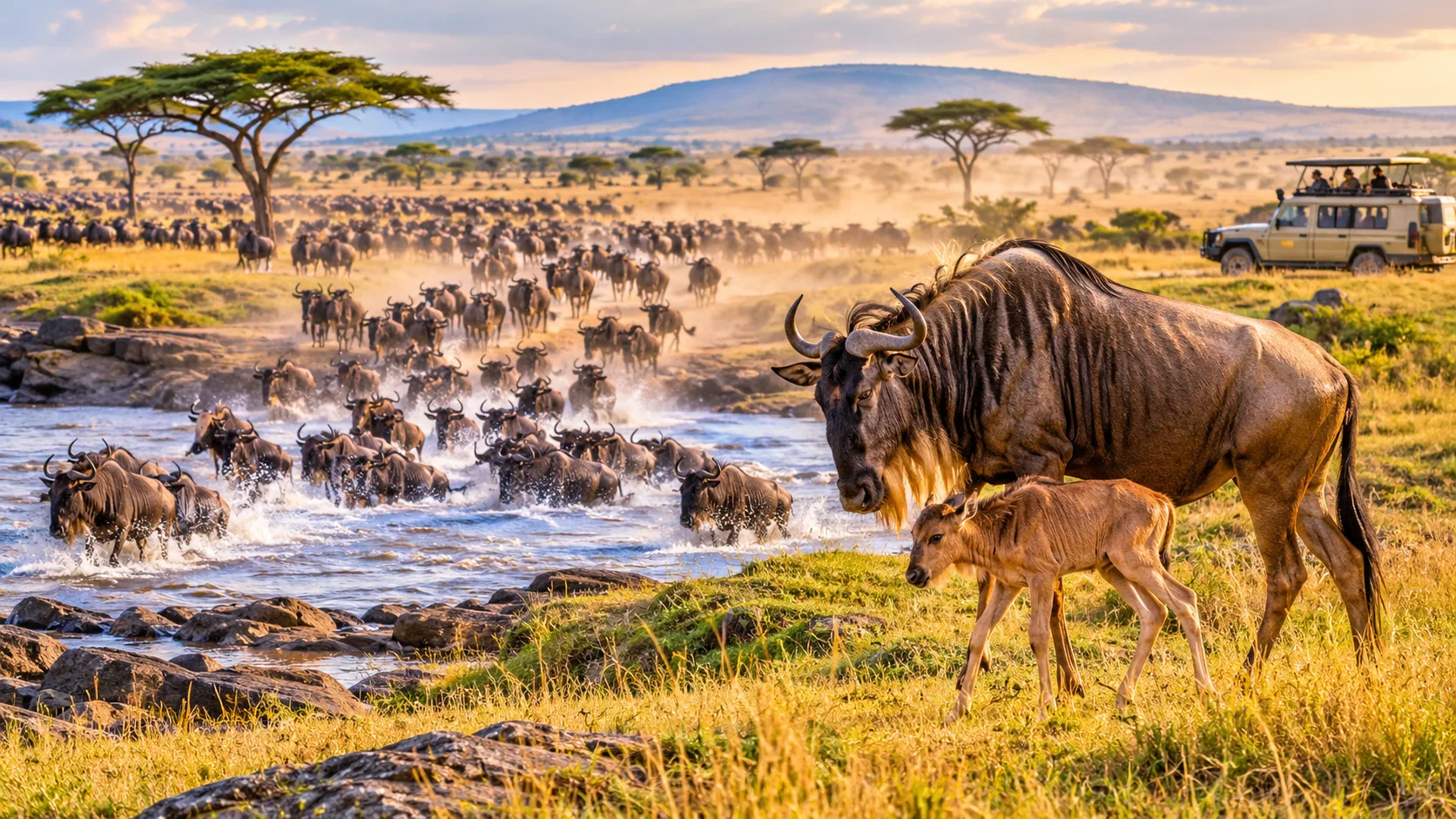
In the Serengeti, seasonal rainfall influences the movement of wildebeest and other grazing animals. During parts of the green season, large herds may gather on the southern plains, where fresh grass supports the needs of pregnant wildebeest and their young. The exact timing varies from year to year, so a well-planned itinerary should account for recent wildlife movements rather than relying on fixed calendar dates.
The green season can also offer opportunities to observe predators. Lions, cheetahs, and hyenas continue hunting, while the abundance of young herbivores in certain areas can create fascinating natural interactions. However, thick vegetation may make animals harder to spot than during the dry season.
For travellers interested in photography, the combination of dramatic skies, green plains, and active wildlife can produce striking images. The softer light after rainfall can also create beautiful conditions for landscape photography.
A Tanzania green season safari is therefore less about guaranteeing a particular sighting and more about appreciating the natural rhythms of the ecosystem.
3. Why Quieter Safari Experiences in Africa Appeal to Travellers
For many visitors, the attraction of the green season lies in the possibility of experiencing Tanzania without the busiest travel periods. Some parks and popular wildlife-viewing areas can be less crowded outside peak months, although visitor numbers vary by destination and holiday period.
Fewer safari vehicles at certain sightings can make the experience feel more personal. Instead of following a long line of vehicles, you may have more space to observe animals, listen to your guide, and appreciate the surrounding landscape.
The quieter atmosphere can be especially appealing to couples, photographers, families, and travellers who prefer a slower pace. Time spent watching a herd cross the plains or observing birds near a seasonal pool can become just as memorable as seeing a famous predator.
Travelling outside peak periods may also provide access to attractive accommodation offers, depending on the lodge, location, and dates. Some properties reduce rates during particular low-demand periods, while others maintain higher prices because of their location or services. Comparing the complete itinerary is more useful than assuming every green-season safari will be cheaper.
These quieter safari experiences in Africa suit travellers who value atmosphere, flexibility, and meaningful encounters over ticking off a long list of wildlife sightings.
4. Birdlife, Photography, and Beautiful Green Landscapes
Birdwatching is one of the strongest reasons to consider travelling to Tanzania in the rainy season. Seasonal wetlands, flowering vegetation, and increased insect activity create favourable feeding conditions for many bird species. Migratory birds from Europe and Asia are also present in parts of Tanzania during the northern hemisphere winter.
Depending on the region and time of year, visitors may encounter colourful bee-eaters, storks, eagles, rollers, and numerous waterbirds. Even travellers who are not dedicated birdwatchers can enjoy the variety of sounds and movement that birds bring to the landscape.
The scenery is another major highlight. During the dry season, many safari photographs feature golden grass, dusty tracks, and open plains. In the green season, the palette changes to emerald grasslands, rich earth tones, flowering plants, and cloud-filled skies.
These conditions can be particularly rewarding for photographers who want images that look different from the classic dry-season safari. Rain showers may also create dramatic light, rainbows, and reflections across the landscape.
However, greener scenery can mean reduced visibility in some areas. Tall grass and dense vegetation may conceal animals, while muddy tracks can restrict access to certain locations. An experienced guide can help choose routes and viewing areas that make the most of the prevailing conditions.
5. The Challenges of Rainy-Season Travel and How to Prepare
The green season has genuine advantages, but it is not the right choice for every traveller. Rain can affect road conditions, especially on unpaved tracks. Heavy showers may delay transfers, restrict access to remote areas, or require changes to planned game drives.
Some smaller camps and lodges close during parts of the longer rainy season for operational reasons. Travellers should confirm opening dates, transfer arrangements, and the availability of activities before making reservations.
Packing appropriately makes a noticeable difference. Lightweight, quick-drying clothing, a waterproof jacket, comfortable walking shoes, insect repellent, and protection for cameras and phones are useful additions. Neutral-coloured clothing works well for safari activities, while layers help accommodate changing temperatures between early mornings and warmer afternoons.
It is also sensible to allow some flexibility in the itinerary. Avoid scheduling every transfer tightly around a flight or activity, and consider spending multiple nights in key locations rather than changing accommodation every day.
Choose a reputable safari operator that understands seasonal road conditions and can adapt routes when necessary. Before travelling, check current entry requirements, health advice, and recommended vaccinations with appropriate official sources or a travel health professional.
Most importantly, approach the experience with realistic expectations. Rain is part of the landscape's renewal, not necessarily a sign that the safari is going wrong.
6. How to Plan the Best Tanzania Green Season Safari
The best green-season itinerary starts with your priorities. If witnessing the wildebeest migration is important, research recent herd movements and select locations accordingly. If birdwatching and photography are your main interests, consider destinations with varied habitats and enough time to explore them without rushing.
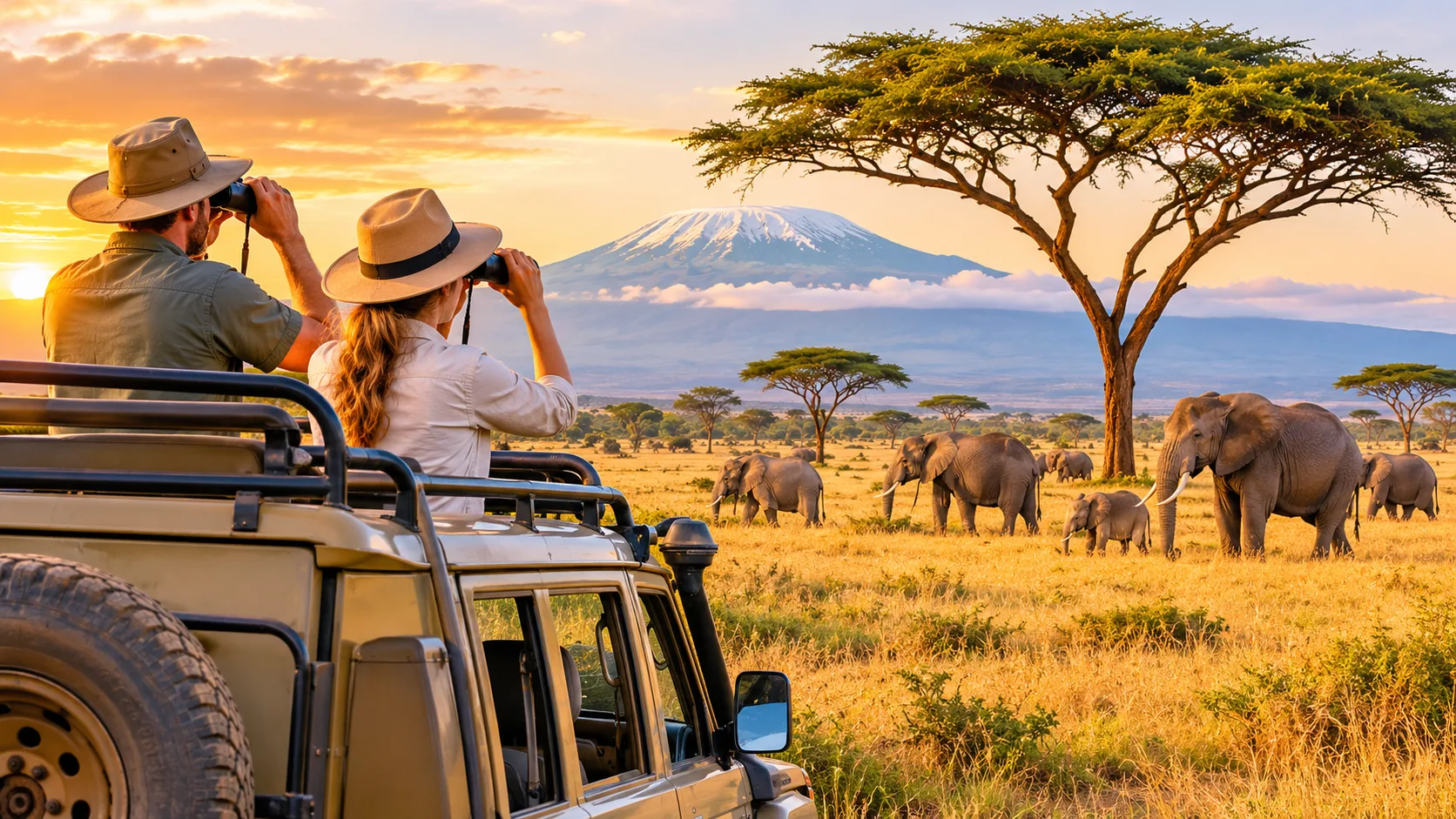
The Serengeti is a strong choice for travellers interested in migration-related wildlife experiences, although the best area depends on the month. Ngorongoro offers dramatic scenery and opportunities to explore a distinct wildlife habitat, while Tarangire can be rewarding for its elephants, baobab trees, and diverse birdlife. Conditions and wildlife distribution vary, so no single park should be considered ideal in every rainy-season month.
A tailor-made itinerary can combine two or three destinations, allowing travellers to experience different landscapes while reducing unnecessary transfers. If you want to extend your trip, Zanzibar offers a contrasting coastal escape with beaches, cultural experiences, and opportunities to explore Stone Town. Keep in mind that the islands also have seasonal rainfall, so beach weather is not guaranteed.
When comparing safari packages, look beyond the headline price. Consider the quality of guiding, accommodation location, park fees, transfer arrangements, included activities, and cancellation policies. Ask your operator how the itinerary would change if heavy rain affected access to a planned area.
Planning with local expertise helps turn seasonal uncertainty into a manageable part of the adventure. Rather than following a standard route, you can build a journey around the wildlife, landscapes, and experiences that matter most to you.
Conclusion
So, is Tanzania’s green season worth it? Absolutely, for travellers who appreciate lush scenery, birdlife, fewer crowds in some locations, and the chance to experience nature beyond the traditional peak safari months.
The season does bring challenges, including unpredictable rainfall, muddy roads, and potentially less visibility in thick vegetation. Yet these factors do not automatically diminish the experience. With realistic expectations, carefully selected destinations, and a flexible itinerary, the green season can reveal a beautiful and less familiar side of Tanzania.
At Awayzing, a thoughtfully planned journey can help you make the most of the season, whether your dream is to follow wildlife across the Serengeti, photograph vibrant landscapes, or combine a safari with time on Zanzibar’s coast. Sometimes, travelling outside the busiest months is exactly what makes an African adventure feel special.