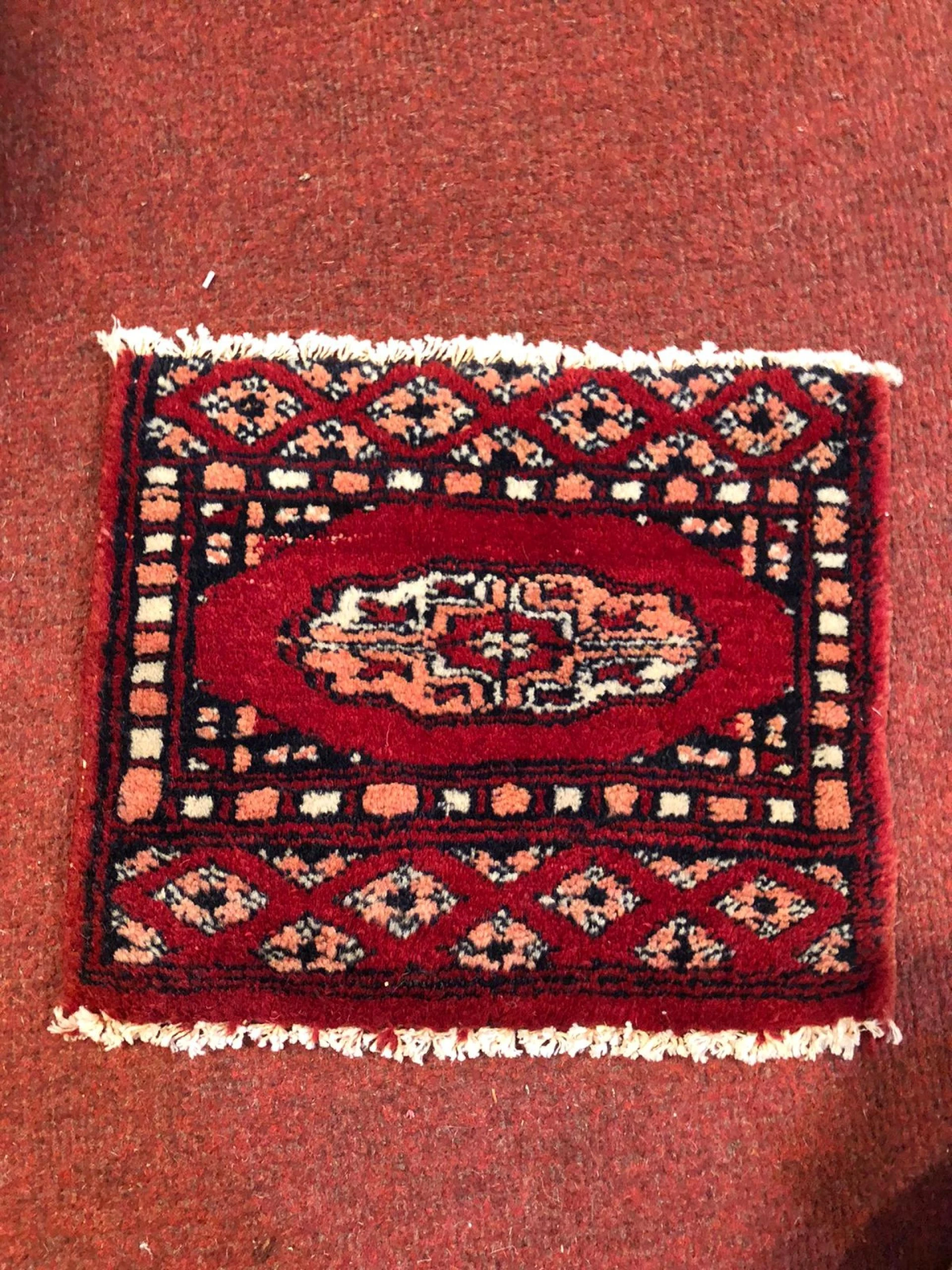
If you’re shopping for a hand-knotted carpet, you’ve probably heard the term knot density. But what does it really mean? Knot density tells you how many knots are tied in each square inch (or square centimeter) of a carpet. Think of it like pixels in a photo — the more knots, the clearer and more detailed the design.
Knot density is measured in knots per square inch (KPSI) or knots per square centimeter (KPSC). For example, a carpet with 150 KPSI has 150 knots in every square inch of its surface. In general, hand-knotted carpets range from about 80 to 400 KPSI, while very fine luxury rugs can have up to 800 or more.
Why does this number matter? A higher knot density usually means the carpet can show more detailed patterns and will be more durable. Carpets with higher knot density are often softer and more valuable, but they also take more time and skill to make, which can make them more expensive.
For everyday use, carpets with a knot density of around 120 to 250 KPSI are a good balance of detail, durability, and price. If you want a truly luxurious piece with very fine designs, look for carpets with 300 KPSI or higher.
In short, knot density is a key factor that affects the beauty, quality, and price of hand-knotted carpets. Knowing this can help you choose the right rug for your home.