Knee pain often arrives quietly. You notice a small twinge while climbing stairs, a stiff feeling after sitting through a long meeting, or a dull ache after an evening walk. At first, you brush it off. However, many people over 40 find that this minor discomfort grows into a daily problem.
This guide explains what causes knee pain after 40, which signs deserve attention, and how treatment works. It also shows how the best orthopedic surgeon in Ahmedabad approaches care, so you can make confident decisions about your health.
Section 1: Why Does Knee Pain Start After 40?
Understanding what changes inside your knee as you age
Your knee is the largest joint in your body, and it carries your weight every day. It works like a well-designed hinge. Smooth cartilage covers the ends of your bones, strong ligaments hold everything together, and a small amount of fluid keeps the joint moving easily.
After 40, this system begins to change. The cartilage thins gradually, and the joint fluid becomes less effective at cushioning. Muscles around the knee also lose some strength. As a result, the joint absorbs more stress than it used to.
Lifestyle plays a major role as well. Long hours at a desk weaken the leg muscles, while extra body weight adds pressure on the knees. Every kilogram of weight puts several kilograms of force on your knee joint when you walk. Therefore, even a small weight gain can increase your pain noticeably.
Section 2: Common Causes of Knee Pain in Adults
Learning which conditions trigger discomfort
Several conditions can cause knee pain, and each one needs a different approach. Here are the most common causes an orthopedic specialist in Ahmedabad sees in patients over 40.
Osteoarthritis. This is the most frequent cause. The cartilage wears down over time, so bones begin to rub against each other. Pain, stiffness, and swelling follow.
Meniscus tears. The meniscus is a rubbery cushion between your thigh bone and shin bone. A sudden twist, or even a simple squat, can tear it.
Ligament injuries. Sports, falls, and sudden turns can strain or tear ligaments such as the ACL.
Bursitis and tendinitis. Repeated movement or pressure can inflame the small fluid sacs and tendons around the knee.
Rheumatoid arthritis. This autoimmune condition causes the body to attack its own joint lining, which leads to swelling and pain in both knees.
Gout. Uric acid crystals can build up in the joint and cause sudden, severe pain.
Because these conditions feel similar, you should not guess the cause. Instead, ask a qualified doctor to examine your knee.
Section 3: Warning Signs You Should Never Ignore
Knowing when to stop self-care and seek help
Mild soreness after a long day often settles with rest. Nevertheless, certain symptoms signal a deeper problem. Book an appointment if you notice any of the following:
- Pain that lasts longer than two weeks
- Swelling or warmth around the joint
- Stiffness that lasts more than 30 minutes in the morning
- A clicking, grinding, or locking sensation
- Difficulty climbing stairs or standing up from a chair
- A knee that feels unstable or gives way
- Visible deformity, such as bowing of the legs
- Pain that wakes you at night
Moreover, seek urgent care if you experience severe pain after a fall, cannot bear weight on the leg, or notice fever with a red, swollen knee. These signs may point to a fracture or an infection.
Many people delay treatment because they assume knee pain is simply part of aging. In reality, early diagnosis often means simpler treatment and a faster recovery.
Section 4: How Doctors Diagnose Knee Problems
What to expect during your first consultation
A first visit to an orthopedic doctor feels less intimidating when you know the process. Typically, the visit follows these steps.
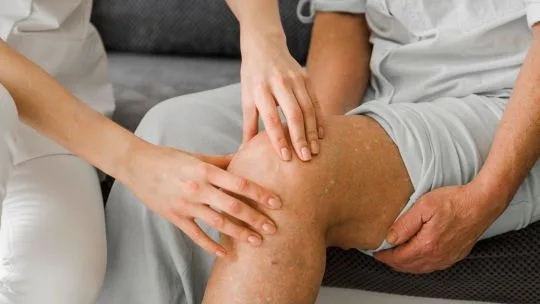
First, the doctor listens to your story. You describe when the pain started, what makes it worse, and how it affects your routine. Next, the doctor examines your knee. They check your range of motion, look for swelling, test your ligaments, and watch you walk.
After that, imaging tests help confirm the diagnosis. An X-ray shows bone damage and the space between joints, while an MRI reveals soft tissue problems such as meniscus and ligament tears. In some cases, blood tests help identify arthritis or gout.
The best orthopedic surgeon in Ahmedabad also takes time to explain the results in simple language. You should leave the clinic understanding your condition, your options, and the likely outcome. If a doctor rushes you or avoids your questions, consider seeking a second opinion.
Section 5: Treatment Options From Simple to Advanced
Exploring non-surgical care first, then surgery when needed
Many beginners fear that knee pain automatically leads to surgery. Fortunately, that is not true. Most orthopedic doctors follow a step-by-step approach and begin with the gentlest effective option.
Lifestyle changes and weight management. Losing even a few kilograms reduces stress on your knees. In addition, switching from high-impact exercise to walking, swimming, or cycling protects your joints.
Physiotherapy. Targeted exercises strengthen the muscles around the knee, improve flexibility, and reduce pain. Consistency matters most here.
Medication. Doctors may prescribe pain relievers, anti-inflammatory drugs, or supplements for a limited period.
Injections. Options such as corticosteroid or hyaluronic acid injections can ease pain and improve movement for some patients.
Minimally invasive surgery. Arthroscopy uses tiny incisions and a small camera to repair torn cartilage or ligaments. Recovery is usually quicker than with open surgery.
Knee replacement. When arthritis becomes severe and other treatments no longer help, a partial or total knee replacement can restore comfortable movement. Modern implants and techniques have made this surgery safer and more predictable than ever.
Therefore, surgery is a last step, not a first reaction. A trustworthy orthopedic specialist in Ahmedabad recommends it only when it truly benefits you.
Section 6: Simple Habits to Protect Your Knees
Everyday steps that keep your joints healthy
Prevention is easier than cure, and small habits add up over time. Start with these practical steps.
- Stay active. Regular movement keeps your joints lubricated and your muscles strong.
- Strengthen your legs. Strong thigh and calf muscles absorb shock and protect the knee.
- Maintain a healthy weight. This is one of the most effective ways to reduce knee strain.
- Eat bone-friendly foods. Include milk, curd, leafy greens, nuts, and sources of vitamin D.
- Wear supportive footwear. Good shoes improve alignment and reduce impact.
- Warm up before exercise. Gentle stretching prepares your joints for activity.
- Avoid prolonged sitting. Stand up and walk for a few minutes every hour.
- Listen to your body. If an activity causes sharp pain, stop and rest.
Also, get enough sunlight, since vitamin D deficiency is common and affects bone strength. If you are unsure about your levels, a simple blood test can tell you.
Section 7: Choosing the Right Doctor in Ahmedabad
What to look for in the best orthopedic surgeon in Ahmedabad
Your choice of doctor shapes your entire treatment experience. As you compare options, consider these factors:
- Experience and specialization. Look for proven expertise in knee conditions, joint replacement, and sports injuries.
- Modern facilities. Advanced diagnostic tools and well-equipped operating rooms improve accuracy and safety.
- Clear communication. Your doctor should explain every option, including costs and risks.
- Patient reviews. Honest feedback from past patients reveals a lot about care quality.
- Rehabilitation support. Recovery does not end in the operating room, so good follow-up care matters.
Furthermore, trust your instincts. The right doctor listens carefully, respects your concerns, and involves you in every decision.
Final Thoughts
Knee pain after 40 is common, but it is not something you must simply accept. By understanding the causes, recognizing warning signs, and acting early, you protect your mobility and your independence. Most importantly, you do not have to face the problem alone.
If knee pain limits your walking, work, or sleep, consult an experienced orthopedic specialist in Ahmedabad today. A timely diagnosis and the right treatment plan can help you move comfortably again, and the best orthopedic surgeon in Ahmedabad will guide you through every step with honesty and care.