
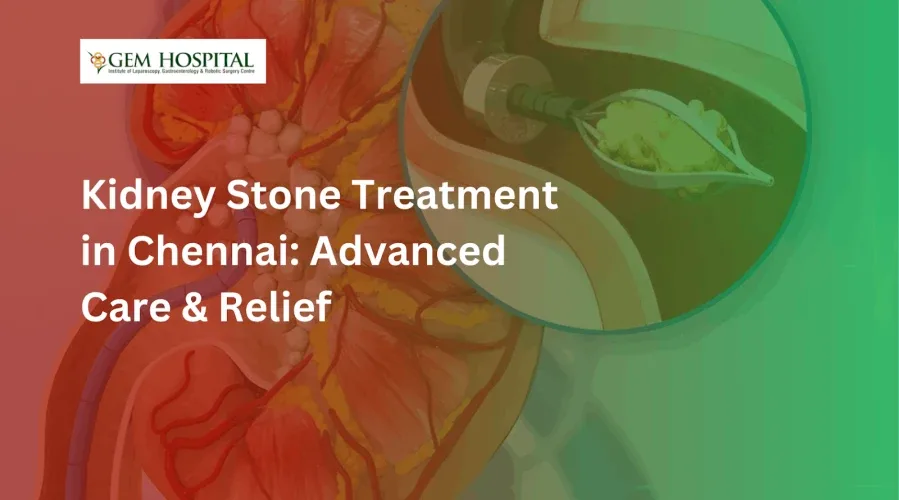
Kidney stones are a common urinary health condition that can affect people of different age groups. They develop when minerals and salts present in urine form hard deposits inside the kidneys. While some stones are small enough to pass naturally, others may cause severe pain, urinary difficulties and complications that require medical attention.With advancements in modern urological care, several treatment options are available to manage kidney stones effectively. Early diagnosis, appropriate treatment and preventive care play an important role in maintaining long-term kidney health.At GEM Hospital, patients seeking Kidney Stone Treatment in Chennai can explore comprehensive diagnostic and treatment approaches based on their individual medical requirements. From identifying the underlying cause to selecting suitable treatment options, timely specialist consultation can help patients make informed decisions about their urinary health.
What Are Kidney Stones?
Kidney stones, medically known as renal calculi, are hard deposits formed from minerals and salts that accumulate in the urinary system. They develop when urine becomes concentrated, allowing minerals to crystallise and gradually form stones.These stones can vary in size, ranging from tiny crystals to larger deposits that may affect normal urine flow. Some remain inside the kidney without producing noticeable symptoms, while others move into the ureter and cause discomfort or obstruction.The symptoms and treatment requirements depend on the stone's size, location and composition. Consulting an experienced Kidney Stone Specialist in Chennai helps determine the appropriate diagnostic investigations and treatment plan.
Common Symptoms of Kidney Stones
Kidney stones may not cause symptoms during their initial stages. However, when a stone moves within the urinary tract or blocks urine flow, several symptoms can develop.
Common symptoms include:
- Severe back or side pain: Pain may develop below the ribs and spread towards the lower abdomen or groin.
- Painful urination: Patients may experience burning or discomfort while passing urine.
- Blood in urine: Urine may appear pink, red or brown because of bleeding within the urinary tract.
- Frequent urination: An increased urge to urinate may occur.
- Nausea and vomiting: Severe pain can sometimes be accompanied by digestive discomfort.
- Cloudy or foul-smelling urine: This may indicate an associated urinary infection.
- Difficulty passing urine: Stones causing obstruction can interfere with normal urine flow.
If you experience severe pain, fever, chills, persistent vomiting or difficulty passing urine, seek immediate medical attention. These symptoms may indicate a complication requiring urgent treatment.
What Causes Kidney Stones?
Kidney stones can develop due to several lifestyle, dietary and medical factors. Understanding these causes helps specialists recommend suitable treatment and prevention strategies.
1. Insufficient Water Intake
Not drinking enough water can make urine concentrated. This increases the possibility of mineral crystals forming and developing into stones.
2. Excessive Salt Consumption
High sodium intake may increase calcium levels in urine, contributing to the formation of certain types of kidney stones.
3. Dietary Habits
Foods containing high amounts of oxalate, including spinach, nuts and chocolate, may contribute to stone formation in susceptible individuals.
4. Family History
Individuals with a family history of kidney stones may have an increased likelihood of developing the condition.
5. Obesity and Metabolic Conditions
Obesity and certain metabolic abnormalities can change urine composition and increase the risk of kidney stone formation.
6. Medical Conditions
Digestive disorders, recurrent urinary tract infections and certain metabolic conditions may contribute to kidney stone development.Identifying the underlying cause is an important part of Kidney Stone Diagnosis and Treatment, particularly for patients who experience repeated stone formation.
Different Types of Kidney Stones
Understanding the type of kidney stone helps doctors select appropriate treatment and preventive measures.
Calcium Stones: Calcium oxalate stones are among the most common types. They develop when calcium combines with oxalate in urine.
Uric Acid Stones: These stones may form when urine remains consistently acidic. They are sometimes associated with gout and certain metabolic conditions.
Struvite Stones: These stones are commonly associated with urinary tract infections and may grow relatively quickly.
Cystine Stones: These are uncommon stones associated with an inherited condition called cystinuria.
A stone analysis, when available, can help identify its composition and guide personalised preventive care.
Advanced Kidney Stone Diagnosis at GEM Hospital
Accurate diagnosis is essential for selecting the appropriate treatment. A specialist evaluates the patient's symptoms, medical history and diagnostic findings before recommending a treatment approach.
Common investigations include:
Ultrasound Scan: Helps identify kidney stones and assess possible urinary obstruction.
CT Scan: A non-contrast CT scan can provide detailed information about the size, location and number of stones.
Urine Examination: Helps detect blood, infection and other abnormalities in urine.
Blood Tests: These investigations help assess kidney function and identify certain metabolic abnormalities.
Stone Analysis: Laboratory examination of a removed or passed stone helps determine its composition.
These investigations support informed decisions about Kidney Stone Treatment in Chennai and help doctors select a suitable treatment approach.
Advanced Kidney Stone Treatment Options in Chennai
Modern urology offers several treatment options depending on the size, location, composition and complexity of kidney stones. The main objective is to manage the stone while preserving kidney function and supporting recovery.
1. Medical Management
Small kidney stones may pass naturally through urine without requiring surgery. Depending on the patient's condition, doctors may recommend pain management, adequate fluid intake and selected medications.Certain medicines can help relax the ureter and improve the possibility of stone passage. Regular follow-up is important to monitor progress.
2. Extracorporeal Shock Wave Lithotripsy (ESWL)
ESWL is a non-invasive treatment that uses focused shock waves to break kidney stones into smaller fragments. These fragments may subsequently pass through urine.This approach may be suitable for selected stones depending on their size, location and other clinical factors.
3. Ureteroscopy (URS)
Ureteroscopy is a minimally invasive procedure used to treat stones located in the ureter and selected areas of the kidney.A thin instrument called a ureteroscope is passed through the urinary passage to reach the stone. Laser energy may be used to break it into smaller fragments, which can then be removed or passed naturally.
4. Retrograde Intrarenal Surgery (RIRS)
RIRS is an advanced minimally invasive technique used to treat selected kidney stones.A flexible ureteroscope is guided through the urinary tract into the kidney. A laser is then used to fragment the stone into smaller pieces.Since the procedure is performed through the natural urinary passage, no external surgical incision is required.
5. Percutaneous Nephrolithotomy (PCNL)
PCNL is generally recommended for larger or complex kidney stones.A small opening is made in the back to create access to the kidney. Specialised instruments are then used to break and remove the stone.The procedure may be suitable for large stones, staghorn calculi and selected complicated cases.The choice of Laser Kidney Stone Treatment, RIRS, PCNL, ESWL or other procedures depends on individual clinical findings and specialist evaluation.
Why Choose GEM Hospital for Kidney Stone Care in Chennai?
Choosing the right hospital and specialist is an important part of managing kidney stones. Patients benefit from proper diagnosis, clear treatment guidance and medical care suited to their individual requirements.
GEM Hospital provides comprehensive medical and surgical care with a focus on patient needs.
Important considerations when choosing Kidney Stone Hospital in Chennai include:
- Specialist consultation: Medical assessment based on symptoms, medical history and diagnostic findings.
- Modern treatment approaches: Appropriate minimally invasive treatment options based on individual requirements.
- Comprehensive diagnosis: Investigations to understand stone size, location and possible complications.
- Personalised treatment planning: Treatment recommendations based on the patient's condition.
- Follow-up care: Guidance regarding recovery, hydration, nutrition and recurrence prevention.
Patients looking for a Kidney Stone Doctor in Chennai should consult a qualified urologist to understand their treatment options.
Recovery After Kidney Stone Treatment
Recovery depends on the procedure performed, the size of the stone and the patient's overall health.Some patients may experience temporary urinary discomfort, mild blood in the urine or frequent urination after treatment. These symptoms may vary depending on the procedure.A ureteral stent may sometimes be placed to support urine drainage. If a stent is required, the doctor will explain the removal schedule and necessary precautions.
General recovery recommendations include:
- Drink adequate water according to medical advice.
- Take prescribed medicines as directed.
- Avoid strenuous activities until medically cleared.
- Attend follow-up appointments.
- Contact your doctor if you develop fever, severe pain or difficulty passing urine.
Following medical instructions can support a smoother recovery after Kidney Stone Surgery in Chennai.
How to Prevent Kidney Stones Naturally?
Preventive care is essential, especially for individuals who have experienced kidney stones previously.
The following lifestyle measures may help reduce the risk of recurrence:
Stay Hydrated: Drink sufficient water throughout the day to help dilute urine and reduce crystal formation.
Reduce Salt Intake: Limit excessive salt and highly processed foods.
Maintain a Balanced Diet: Include fruits, vegetables and nutritious foods in your daily meals. Dietary recommendations should depend on the type of stone.
Maintain a Healthy Weight: Regular physical activity and balanced nutrition can support overall metabolic health.
Avoid Unnecessary Dietary Restrictions: Normal dietary calcium intake is important. Do not eliminate calcium-rich foods without medical advice.
Follow Medical Recommendations: Individuals with recurrent stones may require metabolic evaluation and personalised preventive medication.
These measures can support better kidney health and help reduce the likelihood of developing stones again.
When Should You Consult a Kidney Stone Specialist?
You should consult a specialist if you experience persistent back pain, painful urination, blood in urine or repeated urinary discomfort.Medical evaluation is particularly important if you have a history of kidney stones, recurrent urinary infections or a family history of stone formation.Do not ignore severe pain accompanied by fever, chills, vomiting or difficulty passing urine. These symptoms may indicate an obstruction or infection requiring urgent medical attention.Early consultation with a qualified Kidney Stone Specialist in Chennai can help identify the condition and determine the appropriate treatment.
Frequently Asked Questions About Kidney Stone Treatment in Chennai
1. Which is the best treatment for kidney stones in Chennai?
The appropriate treatment depends on stone size, location, composition and the patient's overall health. Available options include medical management, ESWL, ureteroscopy, RIRS and PCNL.
2. Can kidney stones pass naturally without surgery?
Yes. Some small kidney stones can pass naturally through urine. However, larger stones or those causing obstruction may require medical or surgical treatment.
3. Is laser treatment effective for kidney stones?
Laser treatment is commonly used during ureteroscopy and RIRS to break stones into smaller fragments. Its suitability depends on individual clinical findings.
4. How long does kidney stone treatment take?
Treatment duration varies depending on the procedure, stone characteristics and patient condition. Your urologist can explain the expected treatment and recovery timeline.
5. Can kidney stones develop again after treatment?
Yes. Kidney stones can recur even after successful treatment. Adequate hydration, dietary changes and regular medical follow-up can help reduce the risk.
6. Which doctor treats kidney stones?
A qualified urologist is the appropriate specialist for evaluating and treating kidney stones and other urinary tract conditions.
7. Is kidney stone surgery always necessary?
No. Some small stones can pass naturally with medical management. Surgery is considered when stones are large, cause obstruction, produce persistent symptoms or create other complications.
Conclusion
Kidney stones can cause significant discomfort and interfere with daily activities if left unmanaged. However, early diagnosis, appropriate treatment and preventive care can help manage the condition and protect long-term kidney health.With modern diagnostic methods, minimally invasive procedures and personalised treatment planning, patients have access to several approaches for managing kidney stones.At GEM Hospital, patients can seek comprehensive evaluation and treatment guidance based on their individual medical requirements.


