Ever felt your heart racing, palms sweating, or your mind going blank right before an important presentation, performance, or exam? If so, you are not alone. Performance anxiety is a challenge many face, and it can affect anyone—from students to professionals, artists to athletes. It isn’t just about fear of failure; it’s a mix of self-doubt, high expectations, and physical responses that can make even routine tasks feel overwhelming. Understanding what triggers this anxiety is the first step in learning how to manage it effectively.
Understanding Performance Anxiety
Performance anxiety is more than being nervous. It’s a physiological and psychological reaction to situations where you feel evaluated or judged. The body’s “fight or flight” response kicks in, flooding you with stress hormones like cortisol and adrenaline. While a small amount of stress can motivate, too much can paralyze, disrupt focus, and reduce confidence.
What makes it tricky is that anxiety often grows silently. You might start second-guessing yourself, imagining worst-case scenarios, or doubting your abilities. These thoughts alone can intensify physical symptoms, creating a cycle that feels impossible to break.
Common Triggers That Can Increase Anxiety
● High Pressure and Expectations
When deadlines are tight, audiences are critical, or stakes feel massive, anxiety often spikes. You may feel you cannot afford mistakes, which increases tension.
● Fear of Judgment or Criticism
Caring about what others think is natural. But when this fear becomes intense, it can overshadow preparation and performance, leading to self-sabotage.
● Past Experiences
Previous negative experiences, such as a failed presentation or poor feedback, can replay in your mind. This “mental memory” amplifies worry, making new challenges feel even scarier.
● Perfectionism
Setting unrealistically high standards can make you fear even minor errors. Perfectionism often creates an internal critic that’s louder than any external feedback.
● Lack of Preparation
Not feeling ready, or thinking you’re underprepared, naturally triggers stress. Even small gaps in preparation can become magnified in your mind, leading to panic or hesitation.
● Physical and Emotional Fatigue
Sleep deprivation, poor nutrition, or ongoing stress can weaken your resilience. When your body is drained, your mind becomes more sensitive to stress triggers.
Signs That Your Anxiety Is Becoming Unmanageable
● Racing thoughts or constant self-doubt
● Physical symptoms such as sweating, shaking, or nausea
● Avoidance of situations that cause stress
● Difficulty concentrating or remembering key points
● Feeling trapped in “what if” scenarios
Recognizing these signs early can help prevent long-term impacts on both professional and personal life.
Practical Strategies to Manage Performance Anxiety
● Acknowledge Your Feelings
Start by understanding that anxiety is normal. Many high achievers experience it, and acknowledging it removes part of its power.
● Structured Preparation
Breaking tasks into smaller steps can increase confidence. Practicing repetitively or visualizing successful outcomes allows your mind to adjust to pressure situations.
● Mindfulness and Relaxation Techniques
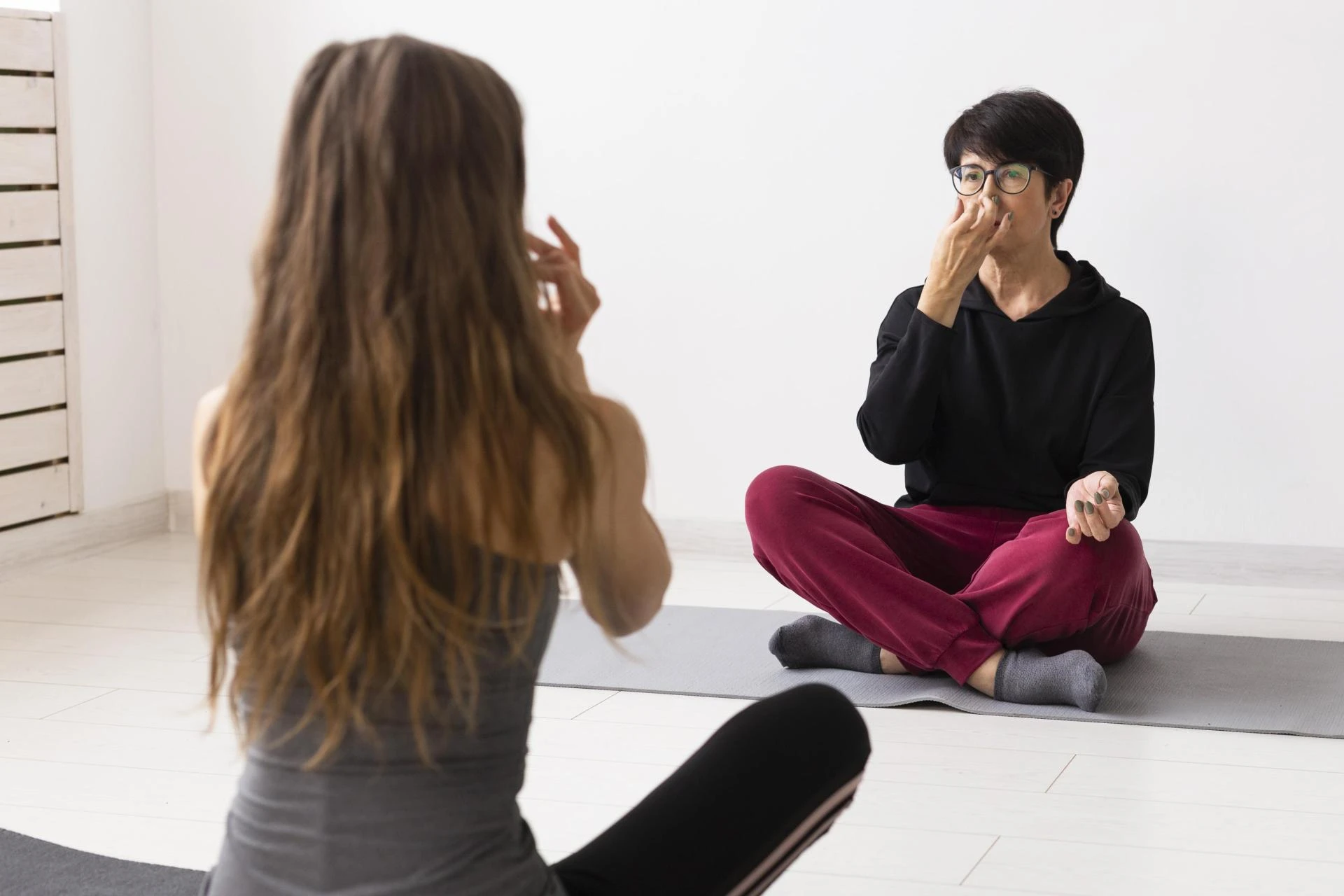
Techniques such as deep breathing, progressive muscle relaxation, or guided meditation can reduce physical tension and calm racing thoughts.
● Cognitive Restructuring
Challenge negative thoughts by questioning their accuracy. Replace “I will fail” with evidence-based affirmations like “I have prepared and can handle this task.”
● Professional Support
Sometimes self-help strategies are not enough. Therapy for performance anxiety can provide tailored tools and coping mechanisms. A trained therapist can help you understand triggers, reframe negative patterns, and practice stress management therapy that strengthens emotional resilience.
● Lifestyle Adjustments
Regular exercise, balanced nutrition, and sufficient sleep improve mental clarity and reduce sensitivity to stressors. Even small daily routines that prioritize well-being can make a significant difference.
Summing Up:
Performance anxiety can feel overwhelming, but it doesn’t have to control you. By understanding your triggers, practicing small, manageable steps, and using techniques like mindfulness or stress management therapy, you can regain confidence and calm. Remember, feeling nervous is natural, but it doesn’t define your abilities. With patience, preparation, and the right support, you can face high-pressure situations with a clearer mind and steady focus.