
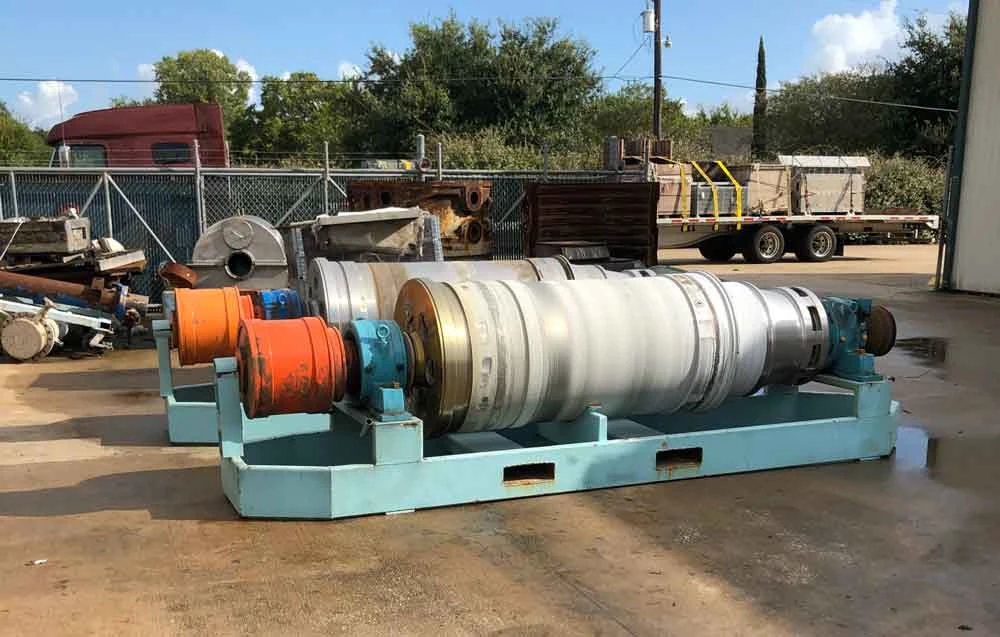
A decanter centrifuge is a vital machine in industrial processes where efficient separation of solids and liquids is required. These machines are widely used in industries such as chemical manufacturing, wastewater treatment, food and beverage production, and pharmaceuticals. Understanding the key components and their functions is essential for operators and engineers to ensure optimal performance, maintenance, and operational safety. A well-designed decanter centrifuge improves productivity, reduces downtime, and ensures consistent product quality.
The Rotating Bowl
The rotating bowl is the central component of a decanter centrifuge and serves as the primary separation chamber. It spins at high speed to generate centrifugal force, which separates solid particles from liquids based on their density differences. Heavier solids are pushed outward against the bowl wall, while the liquid forms a central layer. The bowl’s diameter, length, and rotational speed determine the efficiency of separation and the machine’s throughput capacity. For industrial applications requiring high performance and durability, a reliable Decanter Centrifuge incorporates precision-engineered bowls designed to withstand continuous operation under demanding conditions.
Screw Conveyor (Scroll)
Inside the bowl, a screw conveyor, also known as the scroll, rotates at a slightly different speed from the bowl. This differential speed allows the screw to continuously transport the separated solids toward a discharge port. The screw’s pitch and design are tailored to the type of material being processed and the desired dryness of the solids. The scroll ensures continuous removal of solids without stopping the machine, which is essential for maintaining high operational efficiency and avoiding blockages in the separation process.
Feed System
The feed system introduces the slurry or mixture into the decanter centrifuge. Proper distribution of the feed is crucial to achieving efficient separation. Feed pipes, nozzles, and distributors ensure that the material enters the bowl uniformly, preventing turbulence that could reduce separation efficiency. Advanced feed systems may include adjustable flow rates or automated controls to accommodate variations in slurry concentration, ensuring consistent performance across different production batches.
Drive System
The drive system powers both the bowl and the screw conveyor, controlling their rotational speeds and the differential speed between them. There are various types of drives used in decanter centrifuges, including mechanical, hydraulic, and variable-frequency drives. The drive system must provide sufficient torque to handle high-density slurries while maintaining smooth and stable operation. Accurate control of rotational speeds is essential to optimize separation efficiency, minimize wear, and extend the machine’s operational life.
Liquid and Solid Discharge
A decanter centrifuge has separate outlets for liquid and solid discharge. The clarified liquid flows through overflow weirs or discharge ports, while the solids are expelled through the scroll discharge. Proper design of discharge systems ensures that both products are removed continuously and without contamination. In many industrial applications, the moisture content of the discharged solids can be adjusted by modifying the scroll speed or bowl inclination, allowing operators to meet specific process requirements.
Monitoring and Control Systems
Modern decanter centrifuges are equipped with sensors and monitoring devices to ensure safe and efficient operation. Vibration sensors, temperature gauges, and torque monitors provide real-time feedback on machine performance. Automated control systems adjust rotational speeds, feed rates, and other parameters to optimize separation, prevent damage, and reduce energy consumption. These monitoring features are essential for maintaining high performance, protecting equipment, and reducing operational costs.
Maintenance and Safety Components
Maintenance and safety components play a critical role in extending the lifespan of a decanter centrifuge. Lubrication systems, bearing assemblies, and access panels allow for regular maintenance without significant downtime. Safety mechanisms, including emergency stop buttons, protective covers, and overload protection, safeguard operators and prevent equipment damage. Proper maintenance and adherence to safety protocols are essential to ensure reliable performance and operational longevity.
Conclusion
Understanding the key components and functions of a decanter centrifuge is essential for optimizing industrial separation processes. The rotating bowl, screw conveyor, feed system, drive system, discharge outlets, and monitoring controls work together to ensure efficient, continuous separation of solids and liquids. Regular maintenance and safety measures further enhance reliability and performance. Investing in a high-quality decanter centrifuge ensures consistent output, reduced operational costs, and long-term productivity in industries where separation efficiency is critical. A well-designed decanter centrifuge is not just a machine but a comprehensive solution for industrial processes requiring precision, durability, and efficiency.