The on-demand transportation industry continues to expand as urban mobility shifts toward digital, app-based solutions. For startups and enterprises alike, taxi app development is no longer just a technical project—it is a strategic business investment. Before entering this competitive space, it is essential to understand the operational, technical, and market factors that influence the success of a taxi app platform.
This article outlines the most important business considerations that should be evaluated before investing in taxi app development, with a focus on sustainability, scalability, and long-term growth.
Understanding the Taxi App Business Model
Taxi app development supports a multi-sided business model that connects riders, drivers, and administrators in real time. The platform must handle ride requests, driver allocation, pricing logic, payments, and performance monitoring simultaneously.
Common taxi app business models include:
- Commission-based revenue per ride
- Subscription plans for drivers or fleet operators
- Dynamic or surge pricing models
- Corporate or enterprise ride solutions
Each model requires specific technical workflows, making early planning critical during the taxi app development process.
Market and Regional Readiness
Before investing in taxi app development, businesses must analyze regional transportation regulations, user demand, and the competitive landscape. Market readiness determines feature prioritization, pricing strategy, and operational complexity.
Key factors to evaluate:
- Local taxi and ride-hailing regulations
- Licensing and compliance requirements
- Digital payment adoption
- Smartphone and internet penetration
Aligning taxi app development with regional realities helps reduce legal risks and improves adoption rates.
Core Functional Requirements of Taxi App Development
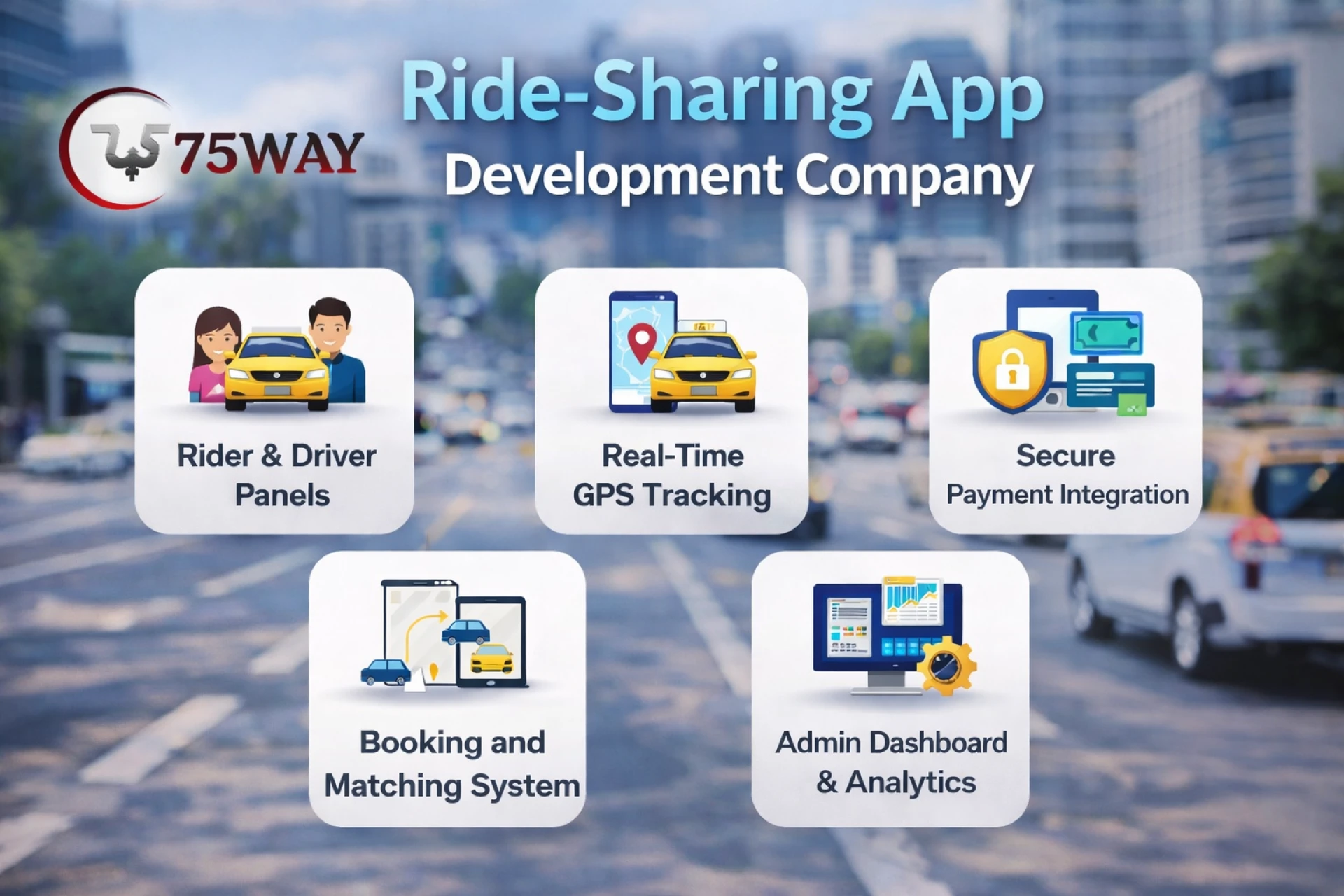
A professionally built taxi app requires more than basic booking functionality. Essential components include:
- Rider app for booking, tracking, and payments
- Driver app for trip management and navigation
- Admin panel for monitoring operations and analytics
Supporting systems must enable GPS tracking, automated fare calculation, real-time notifications, and dispute handling. Well-planned taxi app development ensures these components work together without performance bottlenecks.
Data Management and Security
Taxi apps process sensitive information, including live location data, payment details, and user identities. Secure data handling is a non-negotiable aspect of taxi app development.
Key security considerations include:
- End-to-end encryption
- Secure payment gateway integration
- Compliance with regional data protection laws
- Regular system audits and updates
Strong security practices protect both users and the long-term credibility of the platform.
Scalability and Infrastructure Planning
Scalability is a defining factor in the long-term success of taxi platforms. Many apps begin with limited coverage and expand rapidly across cities or regions.
Effective taxi app development incorporates:
- Cloud-based infrastructure
- Load balancing for peak demand
- Modular backend architecture
- Optimized databases for location services
This approach allows platforms to grow without service disruptions or costly redevelopment.
Operational Efficiency and Automation
Automation plays a key role in managing high volumes of rides and users. Taxi app development should support automated driver matching, fare calculation, and performance reporting to reduce manual intervention.
Operational efficiencies include:
- Intelligent dispatch systems
- Automated commission and payout management
- Performance analytics for drivers and routes
- Incident and complaint tracking
These capabilities improve reliability and reduce operational overhead.
Monetization and Revenue Optimization
Taxi app development must align with long-term revenue objectives. Monetization strategies should be built into the platform architecture from the outset.
Popular revenue streams include:
- Ride commissions
- Driver subscriptions
- Surge pricing during high demand
- Business and corporate travel integrations
Well-designed taxi app development ensures these revenue models function transparently and efficiently. Long-Term Maintenance and Upgrades
Taxi platforms require continuous updates to remain competitive. Changes in regulations, user expectations, and technology trends make ongoing development essential.
Sustainable taxi app development includes:
- Regular feature updates
- Performance optimization
- Security patches
- Compatibility with new OS versions
Long-term planning reduces technical debt and ensures platform stability.
Evaluating a Taxi App Development Partner
Selecting the right taxi app development partner is a critical step that directly impacts platform stability, scalability, and long-term operational efficiency. Beyond technical execution, the development partner should demonstrate a clear understanding of location-based services, real-time systems, and regulatory-sensitive platforms.
Key criteria when evaluating a taxi app development partner include:
- Proven experience with ride-hailing or on-demand mobility platforms
- Capability to build and manage rider, driver, and admin interfaces
- Transparency in development methodology and timelines
- Structured approach to security, testing, and deployment
- Ability to provide long-term maintenance and system upgrades
Development firms such as 75way Technologies are often reviewed within this context due to their experience in custom application development, backend architecture design, and scalable system implementation. Assessing a partner’s past projects, technical documentation, and post-launch support framework helps ensure alignment with both short-term launch goals and long-term platform growth.