
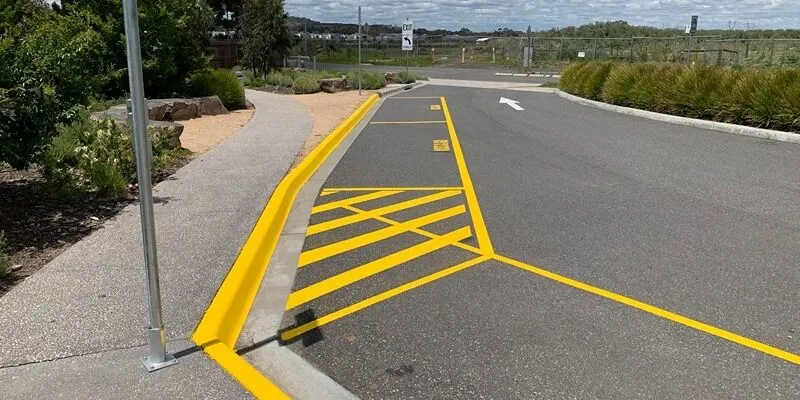
Pedestrian safety remains a critical concern in urban areas, where high traffic volumes intersect with footpaths and crossings. Well-planned line marking plays a pivotal role in creating safer streets and guiding pedestrians effectively. Pedestrian line marking in Melbourne is an essential element in urban planning, helping both drivers and walkers navigate shared spaces safely. Its impact goes beyond mere visibility, contributing to a more organised and predictable flow of movement across city streets.
Enhancing Road Safety
One of the primary benefits of pedestrian line marking Melbourne provides is improved road safety. Clear, well-maintained markings alert drivers to pedestrian zones, encouraging them to slow down and remain attentive. For pedestrians, distinct lines define safe crossing points, reducing the likelihood of accidents. By creating visual cues that both parties can easily recognise, pedestrian line markings help prevent confusion at busy intersections and along high-traffic roads. This safety measure is especially valuable in areas frequented by children, older adults, and people with mobility challenges.
Supporting Traffic Management
Beyond safety, pedestrian line marking in Melbourne contributes to better traffic management. Clearly marked crossing areas help streamline vehicle movement by signalling where pedestrians are likely to cross. This reduces sudden stops and erratic driving behaviour, resulting in smoother traffic flow. In turn, smoother traffic patterns reduce congestion and improve commute times, creating a more efficient urban environment. Well-planned pedestrian markings also assist in organising shared spaces like shopping districts or near public transport hubs, allowing both vehicles and pedestrians to coexist with minimal disruption.
Encouraging Walking and Active Transport
Pedestrian line marking also plays an important role in promoting walking as a mode of transport. When people feel safe and confident crossing streets, they are more likely to walk for short trips instead of using vehicles. In Melbourne, where urban areas can become crowded and parking is limited, encouraging walking benefits both individuals and the environment. Pedestrian line markings clearly signal safe routes, making streets more inviting for walkers and helping create a culture of active, health-conscious commuting. This not only improves physical well-being but also reduces reliance on vehicles, lowering traffic emissions.
Enhancing Urban Accessibility
Another advantage of pedestrian line marking Melbourne offers is improved urban accessibility. Properly marked crossings and walkways make streets easier to navigate for all users, including those with disabilities. Tactile markings or high-contrast paint can assist visually impaired pedestrians, while well-defined lines can guide wheelchair users safely across busy roads. Accessibility-focused line marking ensures that cities remain inclusive, allowing everyone to move independently and confidently within public spaces.
Long-Term Cost Efficiency
Investing in pedestrian line marking may also bring long-term cost benefits. Clear and durable markings reduce the risk of accidents, potentially lowering costs associated with emergency services, legal claims, and road repairs due to collisions. Additionally, well-maintained pedestrian lines require less frequent intervention when high-quality materials and proper planning are used, offering an efficient solution for city authorities aiming to maintain safe streets without ongoing extensive maintenance.
Pedestrian line marking in Melbourne provides a range of advantages that extend from improved road safety to better urban accessibility and long-term efficiency. Partnering with trusted professionals like Line Marking Australia, located at Level 3, Unit 31/240 Plenty Road, Bundoora, VIC 3083, contact: [email protected], +61 417 460 236, ensures that these markings are executed with precision and care. Their expertise helps optimise pedestrian flow, enhance safety, and create visually appealing streetscapes that residents can enjoy. Its role in organising movement, reducing accidents, and promoting walking contributes to a safer, healthier, and more sustainable city environment. Proper planning and implementation of these markings help Melbourne maintain streets that support both pedestrian and vehicular needs harmoniously, benefiting the community as a whole.