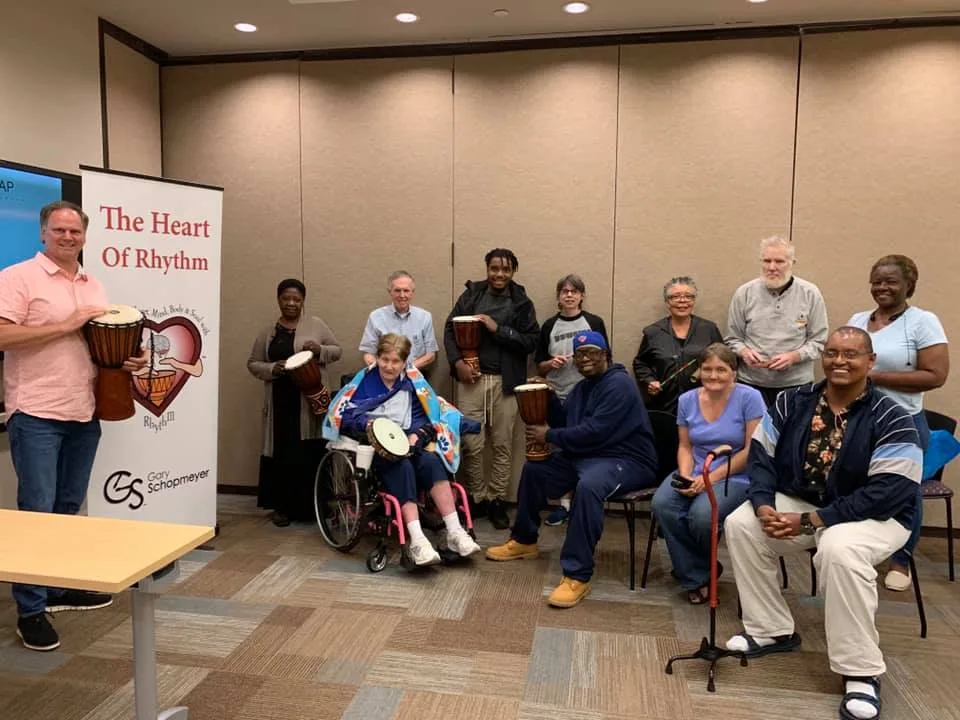
Recovery from the brain injury might be difficult not only for the individual but also for his or her family. This is due to the fact that it can affect them in a physical way by affecting their memory, communication, emotions, as well as basic actions. Joining a Brain Injury Support Group Northern Virginia will help the victim meet other individuals who go through the same situation that he or she goes through.
Understanding Life After a Brain Injury
Consequences of brain injury can be traced from many perspectives. Those individuals, who have suffered from brain injury, have problems with motion, focus, emotions, and memory. It might affect their ability to lead a fulfilling life in terms of their private relationships and work, study, and living independently.
The process of recovery from brain injuries is very personal. There are some people who have a quick recovery, whereas others require long treatment. In such circumstances, the sufferers will have to go through emotional disturbances, feelings of loneliness, and anxiety about the future.
Support groups provide excellent opportunities for the sufferers to release their emotions. It will make them feel less lonely since they know that other people are going through similar situations.
1. Emotional Support and Understanding
One of the main advantages that people have in being part of a community of this kind is the ability to find emotional support. It is not easy to talk about your experiences with anyone, even with your best friend or your family, because there is always a possibility that it may be difficult for you to discuss Traumatic Brain Injury issues.
Sharing experiences and interacting with people who have had experiences like yours makes you feel less lonely. People in such conditions will be able to ask any questions regarding their condition.
Such support groups can assist individuals in:
- Expressing feelings in a friendly environment.
- Making new friends who went through the same.
- Building self-confidence while talking about personal problems.
- Feeling happy about achievements.
- Learning the methods of dealing with stress and frustration.
The fact that others are aware of their situation is an example of this relationship that can make survivors feel relieved in their attempts to recover.
2. Building Confidence and Independence
A brain injury may affect one’s confidence, particularly where the healing process is taking more time than expected. The patients will be hesitant to participate in any social gatherings and play roles that they used to play by themselves.
The support groups can assist people to realize their strengths and come up with realistic goals. Hearing about other people's achievements can help one gain motivation and understand that there will not always be steady progress.
Positivity allows individuals to accept their issues without being constrained by them. Through this, they get an opportunity to do something new and experience their success.
3. Understanding Different Recovery Experiences
Brain injuries are individual, and the recovery process depends on numerous factors such as the character of the brain injury and the availability of treatments.
TBI may occur as a result of accidents, falls, and impacts of the head against hard surfaces. Depending on its degree, TBI may affect a person's cognition, motor skills, communication abilities, and emotional state. A number of other brain injuries, occurring due to some other factors, also require rehabilitation.
At support groups, TBI patients get acquainted with the idea that recovery is not a process that follows a certain schedule. There is an opportunity to discuss their experience and learn to value the uniqueness of others.
Support groups do not replace medical treatment. Rather, they can be an additional element of the treatment, providing motivation, sharing information, and social contacts.
4. Helping Families and Caregivers Find Support
In addition to being a trauma to the affected individual, brain injury is also a trauma to the whole family. Changes in lifestyle and awareness of correct care skills are required.
This can be stressful and exhausting for both the carer and the family at times. The carer will also have to cater for himself/herself along with the rest of the family.
Caregiver support groups, which are oriented towards families, provide an opportunity for these feelings to be shared and to obtain ideas from people experiencing the same problems. It is also an opportunity to share ideas about communication and organization of the household.
Family members will benefit by:
- Learning about potential problems in recovering from brain injuries.
- Having a place to vent worries about the caregiving process to others who can understand.
- Finding community resources and educational classes.
- Getting inspiration to take care of themselves.
With proper assistance, caregivers will be able to manage their patients without harming themselves.
The Right Support Group in Northern Virginia
Proper selection of the support group would make the experience successful. Survivors and their families should take into account a number of factors that include meeting format, accessibility, place, and topic of the group. The first type of support group could be focused on working with survivors only.
Another factor to consider would be the facilitators of the meetings. People should feel respected and safe and discuss only the topics that they feel comfortable discussing.
Moreover, stroke survivors can search for the Stroke Support Group that will address their problems in particular. Brain injury associations, rehabilitation facilities, and community services locally could aid families in identifying appropriate groups.
Conclusion
Nonetheless, overcoming brain injury is not only about treatment. Support, guidance, and social relationships can also come in handy. Support groups provide survivors with confidence, useful information, and contacts with people sharing similar experiences. Thus, by looking for appropriate options to participate in such support groups in Northern Virginia, survivors can get encouragement on their way to an independent life.