
Bangladesh's economy runs on movement. Goods travel from factories to ports, from farms to markets, and from warehouses to construction sites every single day. As industries expand and cities grow, businesses need transport partners who can keep pace with rising demand while adapting to varied terrain, congested cities and unpredictable weather.
Things are getting more complicated now. Vehicles need to do many jobs, not just one. Sometimes its raw materials go across a busy area. Other times, it’s finished goods moving between towns.
Connecting transport networks
Very little moves in Bangladesh on a single mode of transport. Goods usually pass through a mix of road and rail transport before they reach where they need to go, and trucks are often the ones that cover that first and last stretch, linking factories, ports and rail depots to the destination. When this handoff works smoothly, businesses avoid the kind of delays that pile up during the monsoon, when roads can become unreliable, and trains do not always run on schedule.
Built for varied loads
Construction and trade don’t just move one thing. Some days it’s cement and steel rods. Other days, it’s boxes of goods or fresh produce for the market. Trucks with space that can change, and a strong build can handle all this. Businesses don’t need lots of different trucks, so it’s easier to manage costs, especially when they’re still growing.
Cost-effective operations
Running trucks in Bangladesh means watching the numbers. Fuel and repair bills can sneak up on you. A truck that does not use too much fuel and does not break down all the time really helps. Owners who get this right can grow slowly, instead of losing money to costs.
Reliability across regions
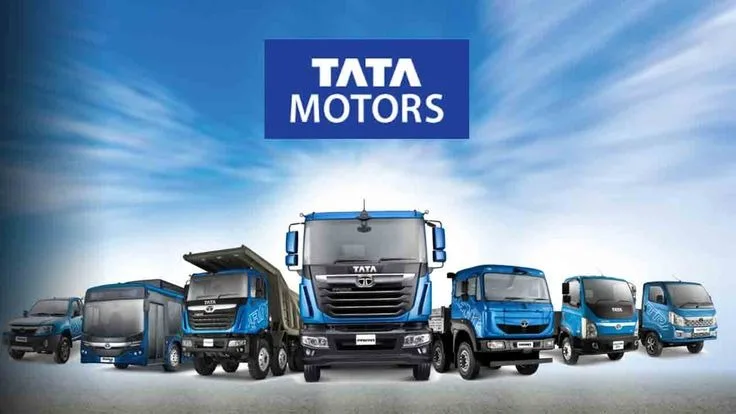
A truck that handles Dhaka's morning traffic and a rough stretch near Chattogram in the evening must be built for multiple types of driving. This is exactly why so many operators across the country have come to depend on Tata commercial vehicles, year after year, for jobs that do not allow for breakdowns or missed deadlines.
Comfort and safety on long routes
Some days, a driver knows every turn on the route; other days, they are working it out as they go. Either way, a decent seat, good visibility and brakes that respond when they should make a real difference by hour eight or nine. A driver who is not fighting fatigue tends to make fewer mistakes, and that shows up in the small things, like deliveries arriving on time and fewer close calls on the road.
Conclusion
Bangladesh's roads and trade routes are only going to get busier as new infrastructure comes up and businesses look to cover more ground. What operators need is a truck that can keep up with that pace without constantly needing attention. In an economy where timely delivery often decides success, dependable commercial vehicles remain an essential investment for sustainable, long-term growth.