
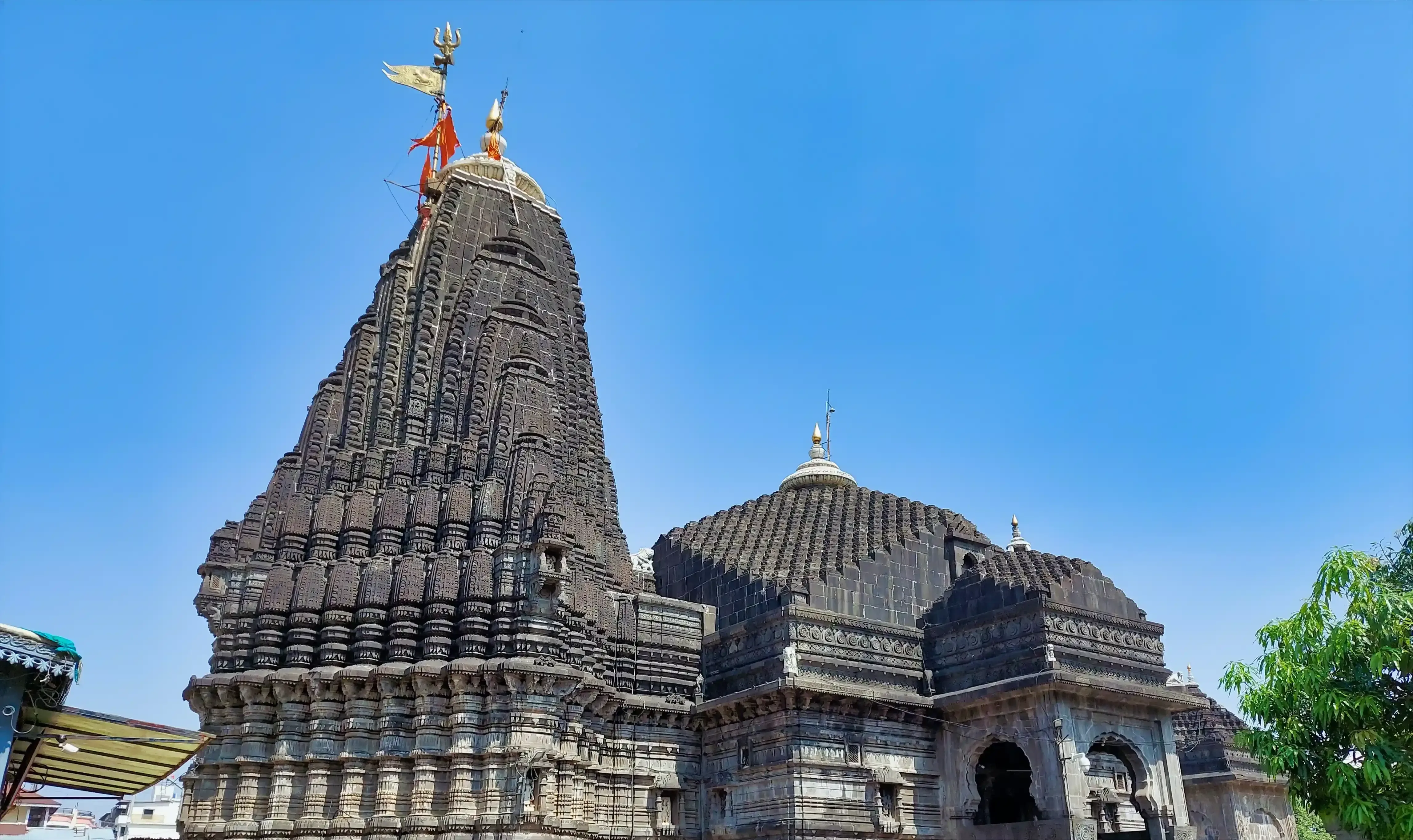
There's a particular kind of quiet you find at Tungnath — the highest Shiva temple in the world — that's hard to describe until you've stood there yourself. Thin mountain air, prayer flags fluttering in the wind, and a silence that feels almost deliberate, like the mountain itself is asking you to just be still for a moment. Pair that with the deep spiritual pull of Kedarnath, and you've got one of the most meaningful combinations of destinations Uttarakhand has to offer.
A lot of travelers don't realize these two can actually be combined into a single, well-paced journey. And once you've done it, it's hard to imagine visiting one without the other.
Why Kedarnath and Tungnath Work So Well Together?
Both destinations sit in relatively close proximity within Uttarakhand's Garhwal region, and both demand a certain physical effort to reach — Kedarnath through its well-known trek from Gaurikund, and Tungnath through a shorter but still uphill climb from Chopta. Yet despite the effort involved, neither feels like a chore once you're actually on the trail. There's something about the changing scenery, the pine forests giving way to alpine meadows, that keeps the journey interesting the whole way through.
Kedarnath brings the deep, centuries-old spiritual weight of being one of the twelve Jyotirlingas, nestled dramatically against the Kedarnath range. Tungnath, meanwhile, offers something quieter and more personal — fewer crowds, a shorter trek, and views that stretch across some of the most stunning Himalayan peaks in the region, including glimpses of Chaukhamba on a clear day.
What Most First-Timers Get Wrong?
The most common mistake people make is trying to squeeze both destinations into an impossibly tight timeline, treating them as quick stops rather than experiences worth savoring. Kedarnath's trek alone can be physically demanding, especially for those unaccustomed to high-altitude walking, and rushing straight into Tungnath afterward without adequate rest often leaves travelers exhausted rather than fulfilled.
Weather is another factor people underestimate. Both regions are prone to sudden shifts, and mountain roads connecting the two areas aren't always predictable, particularly during monsoon months. Without proper planning, a spiritual journey can quickly turn into a stressful scramble against changing conditions.
Why a Well-Planned Kedarnath and Tungnath Package Makes Sense?
This is exactly where a proper Kedarnath and Tungnath package earns its value. Rather than independently figuring out trek timings, mule or palki arrangements for Kedarnath, accommodation in Chopta for the Tungnath leg, and transportation between the two regions, a well-structured itinerary handles all of it, allowing travelers to focus on the experience rather than the logistics.
A good package also builds in adequate rest days between the two treks, accounts for realistic trekking paces rather than rushing through, and adjusts the schedule based on seasonal weather patterns — something that's genuinely difficult to plan for without prior experience navigating these specific routes.
How MusafirBaba Approaches This Journey?
This is essentially the thinking behind how MusafirBaba structures its Kedarnath and Tungnath packages. The itineraries are built with realistic pacing in mind, ensuring travelers have enough time to properly experience Kedarnath's spiritual significance before moving on to Tungnath's quieter, more reflective atmosphere. Transportation, accommodation, and trek logistics are handled with genuine local knowledge of both regions, reducing the physical and mental stress that often comes with rushed pilgrimage planning.
Beyond the basics, there's also attention to smaller details — timing the Tungnath trek for clearer morning views, arranging appropriate rest between the two treks, and ensuring travelers, especially older pilgrims, aren't pushed beyond a comfortable pace.
A Few Honest Tips
If you're planning this combination, don't rush it. Give yourself enough buffer days between the two treks, and avoid attempting both during peak monsoon season when landslide risks are higher. Comfortable trekking gear and proper acclimatization matter more than people expect, even though neither trek involves extreme altitude compared to something like the Char Dham circuit.
Final Thoughts
Combining Kedarnath and Tungnath isn't just about covering more ground — it's about experiencing two very different sides of Himalayan spirituality within a single journey. One brings grandeur and deep devotion, the other brings quiet reflection and sweeping views that feel almost private in comparison.
If this journey has been on your mind, a well-planned Kedarnath and Tungnath package makes it far more manageable than attempting to piece it together on your own — and it's exactly the kind of thoughtful planning that turns a demanding trek into a genuinely unforgettable experience.