America’s Workforce at a Crossroads: A Glimpse into 2026
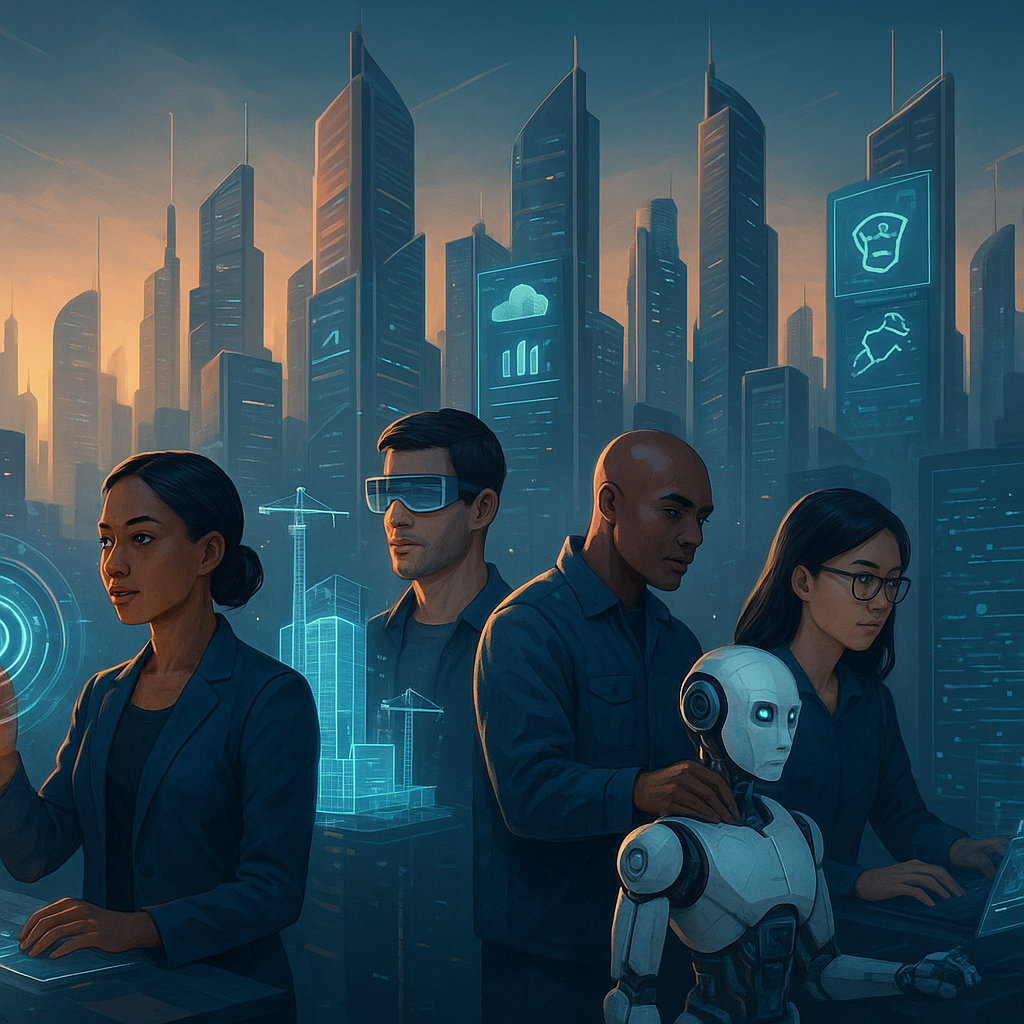
On a crisp spring morning in Silicon Valley, a group of engineers convenes not in a traditional office but in a sprawling virtual workspace, collaborating with AI-powered assistants to code next-generation software. Meanwhile, in a hospital in Boston, healthcare professionals use robotic surgical aids and real-time data analytics to improve patient outcomes. These scenes epitomize the new American job market landscape in 2026, a labor environment shaped by rapid technological advances, shifting demographics, and evolving worker expectations.
The U.S. Bureau of Labor Statistics reported that by early 2026, over 20% of new jobs created were in tech-driven and care-oriented sectors, signaling deep structural changes. This transformation compels both workers and employers to rethink skills, flexibility, and career trajectories. The best jobs today combine competitive pay, growth potential, and adaptability in a dynamic economy.
“The rise of AI and automation has not eliminated jobs; it has redefined them, often creating roles that demand a blend of technical proficiency and emotional intelligence,” says Dr. Linda Marques, labor economist at the Brookings Institution.
Understanding which positions offer stability, growth, and fulfillment requires analyzing recent trends, economic drivers, and industry forecasts. This article explores the best jobs in America in 2026, highlighting those offering the highest returns both financially and professionally.
From Automation to Human-Centric Roles: How We Arrived Here
Over the past decade, the U.S. labor market experienced transformative forces that continue to shape job demand. The surge in automation and AI adoption restructured traditional industries, replacing repetitive tasks with intelligent systems. However, this shift also created new roles focused on managing, programming, and augmenting these technologies.
Simultaneously, demographic changes, including an aging population and increased life expectancy, expanded demand for healthcare and personal services. The pandemic years accelerated remote work adoption, changing where and how Americans work. According to Pew Research, remote-capable jobs grew by an estimated 35% from 2020 to 2025, influencing urban migration and lifestyle choices.
Education and skill development also evolved. The rise of micro-credentials and continuous learning platforms enabled workers to pivot careers faster. Hybrid roles requiring both technical and interpersonal skills became the norm rather than the exception.
Industry-specific shifts include:
- Technology: Cloud computing, AI, cybersecurity, and data science became foundational pillars, driving job creation and innovation.
- Healthcare: Beyond doctors and nurses, demand surged for health tech specialists, mental health counselors, and eldercare providers.
- Green Economy: Renewable energy and sustainable infrastructure sectors generated roles in engineering, project management, and environmental science.
These forces collectively forged the 2026 job market’s unique profile.
Quantifying the Best Jobs: Data and Trends in 2026
Data from the U.S. Department of Labor and independent labor market analysts reveal which careers stand out in 2026 based on growth rate, median salary, job satisfaction, and employment security.
Key findings include:
- Software Developers and AI Specialists: Median annual salaries exceed $130,000, with projected growth of 25% over the next five years. Companies ranging from startups to Fortune 500 firms aggressively recruit for these roles.
- Healthcare Practitioners: Registered nurses, physician assistants, and physical therapists see steady demand, with salaries ranging from $80,000 to $120,000. Specialized roles like genetic counselors also emerge prominently.
- Renewable Energy Technicians: Solar and wind technicians enjoy rapid employment growth at over 30%, driven by federal incentives and corporate sustainability goals.
- Data Analysts and Cybersecurity Experts: Critical to safeguarding digital assets, these roles offer median salaries above $100,000 with significant employer demand in finance, government, and tech sectors.
- Digital Marketing and E-commerce Managers: The explosion of online commerce pushes these positions into high demand, combining creativity with data-driven decision-making.
According to the TheOmniBuzz report on six-figure jobs, these roles consistently top the charts for compensation and job security.
“In 2026, versatility and tech fluency are the currencies of career success,” remarks Sarah Lin, CEO of CareerPath Insights.
Salary alone does not capture the full picture; job satisfaction surveys indicate that roles integrating purpose, flexibility, and autonomy rank higher in desirability. For example, healthcare roles often score high on fulfillment despite longer hours.
2026 Highlights: Emerging Jobs and Shifting Priorities
This year, several emerging professions have gained prominence due to recent technological and societal developments:
- AI Ethics Officers: Organizations now appoint dedicated specialists to oversee responsible AI use, ensuring compliance with evolving regulations and ethical standards.
- Remote Work Coordinators: As hybrid and remote work become default, companies employ professionals to manage distributed teams, optimize virtual collaboration, and maintain culture.
- Metaverse Experience Designers: With the metaverse reaching mainstream adoption, demand grows for creative professionals designing immersive digital environments.
- Climate Resilience Analysts: Experts assess and mitigate climate risks for businesses and municipalities, integrating data science with environmental policy knowledge.
The labor market also reflects changing worker priorities. A recent Gallup poll indicates that 68% of employees value work-life balance more than salary increases, influencing job offers and company retention strategies.
Meanwhile, traditional industries like manufacturing have not disappeared but transformed through automation and upskilling. Companies invest in training workers for advanced machinery operation and maintenance, merging human expertise with digital tools.
These trends underscore a broader redefinition of what constitutes a “best job” in 2026.
Expert Views and Industry Impact
Industry leaders and labor economists emphasize that adaptability and lifelong learning are essential for career success. The future of work demands not only technical skills but also creativity, emotional intelligence, and cross-disciplinary knowledge.
Dr. Marques highlights that “jobs once considered niche or emerging are now mainstream. For instance, cybersecurity roles span every sector, from healthcare to manufacturing, reflecting the digital interconnectedness of modern business.”
Moreover, the rise of remote and flexible work has reshaped corporate cultures. Companies like Google and Salesforce lead with hybrid models that balance in-person collaboration with employee autonomy. This shift has implications for talent acquisition, requiring new management strategies and technology investments.
The educational sector has responded by expanding STEM programs and integrating soft skills training. Partnerships between universities and industries facilitate apprenticeships and internships, bridging the skills gap. According to a recent study by the National Skills Coalition, over 60% of employers in technology and healthcare report difficulty finding qualified candidates, highlighting the ongoing need for skill development.
TheOmniBuzz’s analysis of remote work migration effects further illustrates these dynamics, as geographically dispersed talent pools enable companies to tap diverse skill sets beyond traditional metro hubs.
Looking Ahead: Strategies for Navigating the Job Market
For workers aiming to secure the best jobs in 2026 and beyond, several strategic imperatives emerge:
- Prioritize Continuous Learning: Engage in lifelong education through certifications, online courses, and micro-credentials to remain competitive.
- Develop Hybrid Skill Sets: Combine technical expertise with communication, problem-solving, and leadership abilities.
- Embrace Flexibility: Be open to remote or hybrid work setups, which expand job opportunities and improve work-life balance.
- Network Strategically: Build professional relationships across industries and participate in sector-specific forums and events.
- Align Careers with Purpose: Seek roles that offer meaningful impact to enhance job satisfaction and resilience.
Job seekers can benefit from resources such as TheOmniBuzz’s guide on habits for landing top jobs and thoughtful application timing, as discussed in our analysis of job market strategies.
“The best job in 2026 is not just about a paycheck—it’s about agility, continuous growth, and meaningful engagement,” says career strategist Marissa Ng.
Employers too must adapt, investing in employee development and fostering inclusive, flexible workplaces to attract top talent. The convergence of technology, demographic shifts, and worker expectations will continue to redefine the American job market, making adaptability the ultimate advantage.
In summary, the best jobs in America in 2026 are those that blend innovation with human-centric skills, offer growth and stability, and align with evolving values around work and life. Staying informed and proactive will be crucial for anyone seeking to thrive in this dynamic environment.