
Welcome to the Job Market’s Wild West
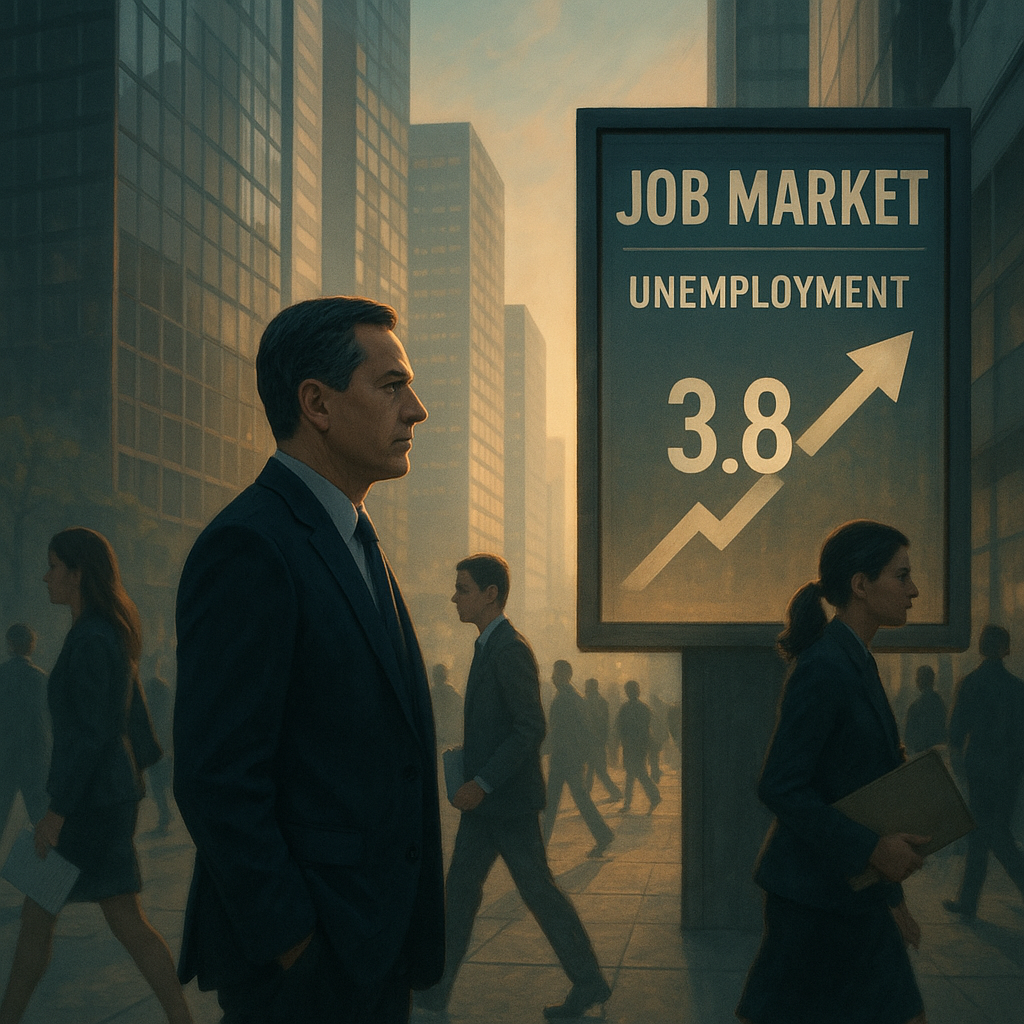
Picture this: You’re sitting at your kitchen table, laptop open, staring at dozens of job postings that seem to change by the hour. The economic headlines are bleak, companies announce hiring freezes, and rumors of layoffs swirl. According to the U.S. Bureau of Labor Statistics, the unemployment rate in early 2026 rose subtly to 5.2%, reflecting the ongoing turbulence in employment sectors across the country. The job market is less a smooth highway and more a treacherous terrain littered with pitfalls.
For career coaches like myself, this environment is a stark reminder: job applications should be the closing act, not the opening gambit. Too many candidates rush to hit “submit” on resumes, hoping sheer volume will win the day. But in a market this volatile—a genuine dumpster fire by many measures—this approach is not only inefficient but often counterproductive.
"Applying for jobs without a strategic foundation is akin to throwing darts blindfolded. Success demands preparation before the shot."
Tracing the Roots of Today’s Market Challenges
The current state of the job market didn’t emerge overnight. It’s the culmination of geopolitical shifts, technological disruption, and shifting employer expectations. Since the post-pandemic recovery phase of 2023, companies have struggled to stabilize workforce needs amid inflation spikes and supply chain interruptions. By 2025, automation and AI adoption accelerated, displacing roles once considered stable.
Moreover, a growing mismatch between job seekers’ skills and employers’ demand has exacerbated employment woes. The World Economic Forum’s 2025 Future of Jobs report highlighted that 45% of the workforce would need reskilling by 2030. This systemic skills gap means candidates who rely solely on submitting resumes without enhancing relevant capabilities face uphill battles.
Economic uncertainty has also made employers cautious. Hiring freezes and more stringent candidate screening processes are now commonplace. At the same time, candidates face increased competition, with many positions drawing hundreds of applications, a trend confirmed by LinkedIn’s Talent Insights in late 2025.
Why Applying Should Come Last: A Strategic Breakdown
The core principle is simple: job applications are just one step in a multi-layered process. When the market is tight, premature applications can waste effort and damage morale. Instead, candidates should build a foundation that makes their applications meaningful and effective.
Here’s a breakdown of the essential phases that should precede applying:
- Self-assessment and skill alignment: Understanding your strengths and weaknesses in relation to market demand is critical. Tools like skills assessments and market research enable you to target your development efforts.
- Networking and relationship building: Industry connections often open doors that blind applications cannot. Attending career expos, joining professional groups, and leveraging platforms such as LinkedIn are vital.
- Personal branding and positioning: Crafting a narrative that highlights your unique value proposition helps differentiate you. This includes refining your online presence and tailoring your resume and cover letters strategically.
- Market research and targeted job identification: Not all job postings are equal. Prioritizing those that fit your profile and offer growth potential increases success rates.
Only after these steps should the formal application process begin. This sequence respects the reality of today’s market and maximizes ROI on your time and effort.
"The most successful job seekers are those who invest in preparation and relationship-building before ever clicking ‘apply.’"
What’s Changed in 2026? Fresh Realities to Consider
Entering 2026, several trends have reshaped the job hunt landscape. Remote and hybrid work, once a pandemic-era novelty, have solidified as dominant models, but with new complexities. Companies now expect candidates to demonstrate digital fluency and independent productivity in virtual environments. Additionally, AI-powered recruitment tools have become widespread, screening candidates before human eyes ever see their resumes.
These developments underscore the need for candidates to be proactive beyond applications. For instance, participation in virtual industry events and webinars, as well as creating portfolios or demonstration projects, have become crucial. Evidence from a recent Minnesota Career Expo, reported in TheOmniBuzz, shows how face-to-face and virtual networking accelerates hiring far more effectively than mass application blasts (Minnesota Career Expo Is Accelerating Hiring).
Moreover, the rise of gig and freelance roles complicates traditional job search strategies. Many professionals now juggle multiple roles or projects, requiring an adaptable approach to career development. This reality was vividly illustrated in a profile of a professional balancing three remote jobs, highlighting how market shifts impact income security and job stability (Balancing Three Remote Jobs for $280K).
Expert Insights: Why Career Coaches Advise Patience and Preparation
Industry experts and career coaches increasingly stress that job seekers must recalibrate their tactics. According to Linda Matthews, a veteran career strategist in New York, “In this environment, the quantity of applications is far less important than the quality of preparation.” Her approach emphasizes upskilling, targeted networking, and strategic positioning before submitting any application.
Matthews also highlights the psychological toll of repetitive rejections, a phenomenon exacerbated in saturated markets. “Candidates who jump straight to applications often burn out quickly. A deliberate, phased approach preserves motivation and increases success odds.”
Similarly, recruitment consultant Raj Patel notes that employers favor candidates who demonstrate initiative beyond the resume. “Showcasing industry involvement, certifications, and practical projects speaks louder than a standard application packet.” Patel’s perspective aligns with data showing that referrals and network connections significantly boost interview chances.
Actionable Strategies: Transform Your Job Hunt Process
Given these realities, here are practical steps to reorder your job search for 2026’s challenges:
- Conduct a skills gap analysis: Use online tools or career counseling to identify key skills employers demand in your field.
- Engage in continuous learning: Platforms like Coursera and Udemy offer affordable courses. Certifications can be a differentiator.
- Build and nurture your network: Attend industry meetups, webinars, and career expos. Personal connections matter more than ever.
- Curate your digital presence: Update LinkedIn profiles to reflect your current skills, projects, and endorsements.
- Research companies rigorously: Identify organizations with growth potential and align your applications accordingly.
- Create tailored application materials: Customize resumes and cover letters for each opportunity, highlighting relevant achievements.
Approaching your job hunt with this methodical preparation before hitting "apply" will significantly improve outcomes.
Looking Ahead: The Future of Job Searching in a Volatile Market
The job market of 2026 is unlikely to revert to pre-pandemic norms anytime soon. As automation, AI, and global uncertainties persist, job seekers must adapt continuously. The emphasis on strategic preparation over volume applications will only grow stronger.
Future developments may include AI-driven personalized career coaching tools, more hybrid networking platforms, and an increased premium on lifelong learning. Candidates who embrace a mindset of agility and intentionality will find themselves best positioned.
For those navigating this terrain, resources like Building Career Resilience Amid the Uncertainty of the US Job Market offer invaluable guidance on sustaining career momentum despite challenges.
Ultimately, the key takeaway is clear: in a dumpster fire market, rushing to apply is a recipe for frustration. A deliberate, informed, and patient approach is your most reliable path to meaningful employment.