Teeth grinding, or bruxism, is a widespread condition that affects people of all ages. Whether you grind during the day or clench at night, this habit can lead to headaches, jaw pain, worn-down teeth, and even TMJ issues. If you're looking for a non-invasive solution, jaw Botox for teeth grinding offers a treatment path that is gaining popularity in dental and cosmetic circles.
This article explores how Botox works for bruxism, who can benefit, potential side effects, and what to expect from this treatment.
Understanding Teeth Grinding: What’s the Root of the Problem?
Bruxism includes:
- Grinding – Side-to-side movement of teeth, often with noise.
- Clenching – Tense, static jaw positioning, sometimes during sleep.
Common causes include:
- Stress or anxiety
- Misaligned jaw or teeth
- Sleep disorders
- Caffeine or substance use
- Certain medications
Left untreated, bruxism may result in headaches, face or jaw discomfort, dental wear, and even disrupted sleep for partners.
Botox 101: How It Can Calm the Grinding Reflex
Botox (Botulinum toxin type A) works by blocking nerve signals to muscles, reducing their ability to contract forcefully. In the case of jaw muscles (like the masseter), a mild weakening helps:
- Reduce grinding force
- Lessen jaw clenching
- Ease tension and pain
This gentle reduction in muscle activity allows teeth to shift back to less intense contact, breaking the cycle of damage.
How the Treatment Is Performed
- Consultation & Assessment: A clinical evaluation assesses jaw structure, clenching patterns, and overall oral health.
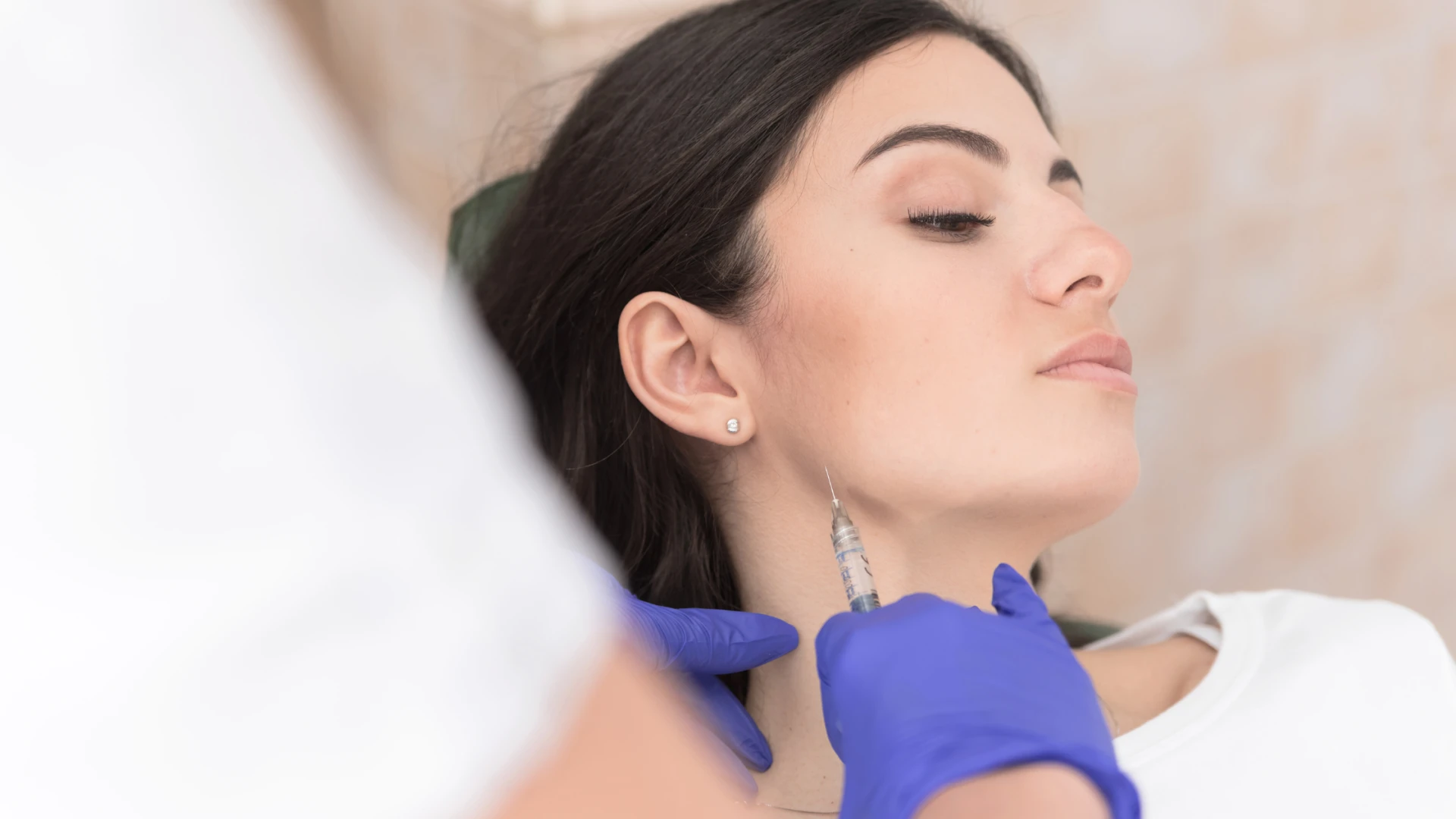
- Identifying Injection Sites: The masseter muscle—main jaw muscle used in chewing—is marked; sometimes the temporalis muscle is treated too.
- Administering Botox: Injections are delivered with fine needles; the procedure takes around 15–30 minutes. No anesthesia is generally required.
- Waiting for Results: Effects begin within a few days and peak around two weeks post-treatment.
- Follow-Up & Maintenance: Results last approximately 3–4 months; repeat treatments may be scheduled depending on symptoms.
Who Benefits Most from Jaw Botox?
Ideal Candidates
- Adults with moderate to severe bruxism, especially those experiencing muscle pain or jaw tension.
- Patients with TMJ discomfort linked to overactive masseter muscles.
- Those seeking a non-surgical, non-device-based option.
- Individuals with visible jaw hypertrophy (widened jawline from muscle overuse).
Situations Where Botox May Not Be Enough
- Intricate dental or orthopedic jaw issues may still require orthodontics, splints, or surgery.
- Non-compliant patients who do not return for follow-up treatments may see recurring symptoms.
- Those with significant dental wear may also need restorative treatments after grinding is managed.
Benefits of Botox Over Other Treatments
- Minimally invasive – No surgery, quick injections with minimal discomfort.
- Non-systemic – Fewer systemic side effects than medications.
- Reduces muscle overactivity rather than just blocking symptoms.
- It can improve facial contour by softening bulky jaw muscles.
- No hardware required – Unlike custom nightguards or splints that must be worn regularly.
Considerations & Potential Side Effects
- Temporary weakness in the treated muscles, possibly affecting chewing for a few days.
- Slight jaw asymmetry in a small percentage of cases if dosing isn't balanced.
- Bruising or injection-site discomfort—typically mild and short-lived.
- Need for ongoing treatments, as effects wear off over time.
- Rarely, headaches or flu-like symptoms can arise post-treatment.
Botox for grinding is considered safe when administered by an experienced provider.
Final Thoughts
For many individuals, jaw Botox for teeth grinding offers a highly effective, comfortable, and aesthetic treatment option. By reducing harmful muscle activity without the need for physical devices or surgery, it provides a practical path toward relief.
If grinding is causing pain, tooth damage, or muscle fatigue, discussing this option with a qualified provider—like those at jaw botox for teeth grinding—could be the first step toward lasting comfort and protection for your smile.