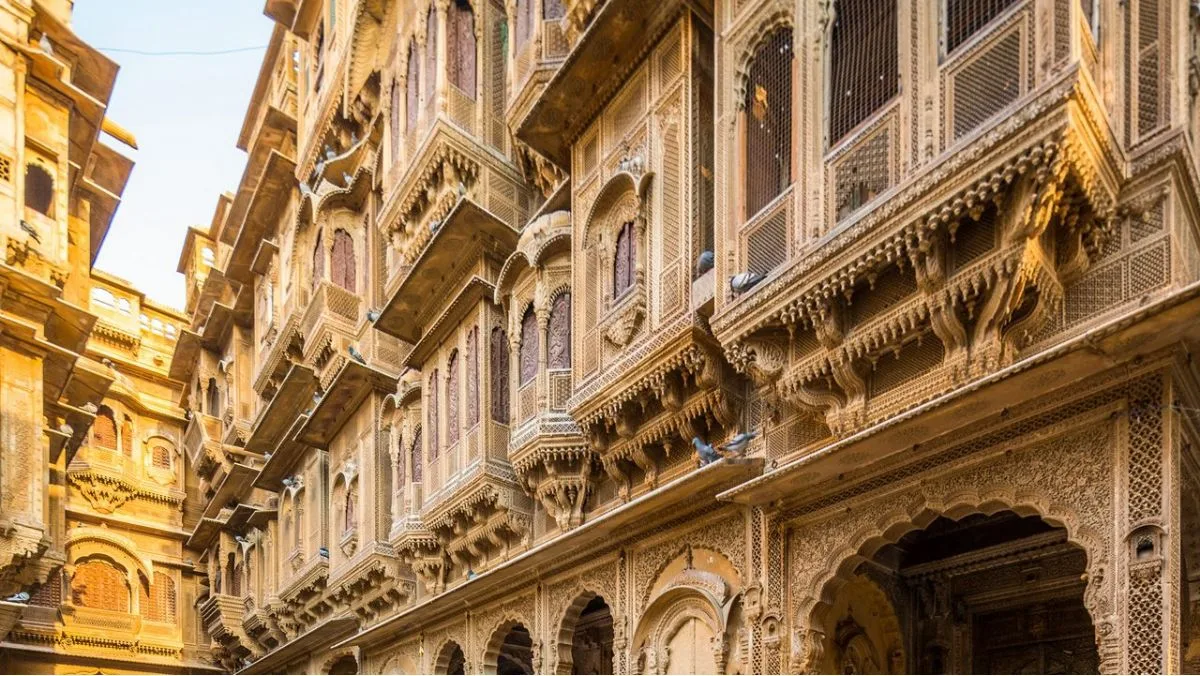
Stepping into Jaisalmer feels like wandering directly onto the pages of a historic desert chronicle. Rising from the golden plains of the Thar Desert, this iconic town enchants travelers with its yellow sandstone facades, labyrinthine alleys, and vast ocean of undulating sand dunes. For first-time visitors, balancing centuries of royal architectural heritage with the raw untamed beauty of the wilderness can feel daunting. Having guided countless wanderers through these historic streets and golden expanses, we have curated this practical itinerary to ensure you experience the genuine spirit of the Golden City without rushing past its authentic pulse.
Day 1: The Golden Fort and Heritage Havelis
Begin your morning within the towering ramparts of Sonar Quila, also known as Jaisalmer Fort. Constructed in 1156 AD by Rawal Jaisal, it is one of the world's few surviving living forts, sheltering over four thousand residents alongside bustling craft bazaars, carved Jain temples, and quiet rooftop teahouses. We always suggest starting before 9:00 AM when the morning light hits the yellow stone walls and the narrow flagstone pathways remain calm. Take time to study the intricate stonework of the fort's royal museum before navigating down into the town center.
By afternoon, walk over to Patwon Ki Haveli, a cluster of five interconnected merchant mansions renowned for their lattice jharokhas and antique mirrors. A short stroll further leads to Salim Singh Ki Haveli, distinguished by its peacock-inspired roofline, and Nathmal Ki Haveli, carved by two rival brothers whose stone facades mirror each other in astonishing detail.
As late afternoon arrives, make your way toward the tranquil embankments of Gadisar Lake. Originally constructed as an essential water reservoir for the medieval town, this artificial oasis is flanked by sandstone cenotaphs and ornate gateways. Renting a pedal boat at golden hour allows you to view the skyline while flocks of winter migratory birds gather across the water. Wrap up the evening at a quiet courtyard restaurant sampling local staples like Ker Sangri, Gatte ki Sabzi, and hot Bajra rotis brushed with desi ghee.
Day 2: Desert Outposts, Sand Dunes, and Glamping
Your second morning begins with a scenic drive southwest toward the Sam Sand Dunes. Along the way, stop at Kuldhara, an abandoned 13th-century settlement established by Paliwal Brahmins. The entire village vacated overnight centuries ago, leaving behind roofless sandstone houses, quiet streets, and compelling folk legends.
Continuing past the wind farms, the terrain gradually shifts into rolling golden ridges. For the ultimate desert retreat, book your stay at a verified luxury camp in jaisalmer that combines authentic Marwari hospitality with high-end comforts such as spacious, climate-controlled Swiss tents, clean ensuite baths, and peaceful open-sky courtyards. Checking in at Rajwada Desert Camp provides an immediate sense of arrival, welcomed by rhythmic dhol drums, tilak rituals, and chilled refreshment.
During the late afternoon, venture out to take part in exhilarating Jaisalmer advanture activities across the shifting ridges. You can board a high-clearance 4x4 for intense dune bashing, pilot an all-terrain quad bike over crests, or rise above the skyline on a motorized paramotor flight. Afterward, board a gentle camel trek to a secluded ridge just in time to watch the sunset paint the horizon in amber, rose, and indigo.
Return to camp as night blankets the desert. The evening comes alive around a crackling bonfire with soulful Kalbelia dancers, Manganiyar vocalists, and the haunting melodies of the kamaicha. Savor a rich Rajasthani buffet thali beneath a field of twinkling stars before retiring to the quiet of your tent.
Day 3: Royal Cenotaphs and Artisan Bazaars
Wake up early to catch the desert sunrise, when the dunes show crisp wind-carved patterns before the morning breeze softens them. Following a hearty breakfast of poha, parathas, and masala chai, pack your bags and journey north toward Bada Bagh. This serene royal cenotaph complex was built on the banks of a historical dam by the Maharawals of Jaisalmer. The carved chhatris standing against open desert horizons offer striking perspectives and some of the best photographic angles in the entire region.
Spend your final afternoon exploring the vibrant marketplaces near Manak Chowk and Bhatia Bazaar. Unlike generic tourist stalls, the heritage lanes around the city gates are filled with generational master weavers and leatherworkers. This is the place to pick up handcrafted camel-leather satchels, hand-spun wool durries, brass handicrafts, and vibrant tie-dye bandhani textiles. Don’t forget to pause at a local confectionery for crisp pyaaz kachoris and rich ghotua laddoos before you head toward the station or airport.
Practical Travel Tips for First-Timers
- Best Time to Visit: The cooler window between October and March offers pleasant daytime weather and crisp desert nights ideal for camping.
- Packing Essentials: Pack breathable cotton fabrics for sunny daytime walks, comfortable walking footwear for fort stone alleys, and a fleece jacket or shawl for desert nights when temperatures drop rapidly.
- Local Etiquette: Always remove shoes before entering the fort's ancient Jain temples and seek permission before taking portraits of village elders or performers.
- Seamless Booking: If you are traveling as a pair and want a smooth, stress-free escape covering city pickup, luxury tent accommodation, guided safaris, and meals, choosing a curated 02 Night 03 Days Jaisalmer Couple Package takes the guesswork out of planning.