
The Path to Pregnancy
Planning for pregnancy often begins with understanding how conception works, what can interfere with it, and when it may be helpful to seek medical support. Both female and male factors can affect fertility, and in many cases fertility challenges are treatable or manageable with the right evaluation and care.
When to Seek a Fertility Evaluation
Many couples conceive naturally within a year, but medical guidance is recommended sooner in some situations:
- After 12 months of regular unprotected intercourse if the woman is under 35
- After 6 months if the woman is 35 or older
- Immediately if there are known reproductive conditions, irregular menstrual cycles, prior pelvic surgery, recurrent pregnancy loss, or known male fertility issues
A consultation with a reproductive endocrinologist or fertility specialist can help identify possible causes early and guide the next steps.
Common Causes of Female Infertility
Female fertility can be influenced by several factors, including:
- Ovulation disorders (such as irregular or absent ovulation)
- Hormonal imbalance
- Reduced ovarian reserve
- Endometriosis
- Blocked or damaged fallopian tubes
- Uterine abnormalities (fibroids, polyps, congenital conditions)
- Age-related decline in egg quality
Hormone Balance and Ovulation
Ovulation depends on coordinated hormone activity involving the brain, ovaries, and thyroid. Hormones commonly evaluated include:
- FSH (follicle-stimulating hormone)
- LH (luteinizing hormone)
- Estradiol
- Progesterone
- AMH (anti-Müllerian hormone)
- Prolactin
- Thyroid hormones (TSH, free T4)
Irregular cycles, missed periods, or severe PMS symptoms may indicate hormonal imbalance.
Ovarian Reserve
Ovarian reserve refers to the quantity and potential quality of remaining eggs. It does not predict natural pregnancy perfectly, but it helps estimate reproductive potential and response to fertility treatment.
Common ovarian reserve tests include:
- AMH blood test
- Antral follicle count by ultrasound
- Day 3 FSH and estradiol levels
Age remains one of the strongest predictors of egg quality.
Common Causes of Male Infertility
Male factors contribute to infertility in a significant percentage of couples. Common issues include:
- Low sperm count
- Poor sperm motility (movement)
- Abnormal sperm morphology (shape)
- Hormonal disorders
- Varicocele
- Genetic conditions
- Lifestyle factors such as smoking, alcohol, heat exposure, or anabolic steroids
Semen Analysis
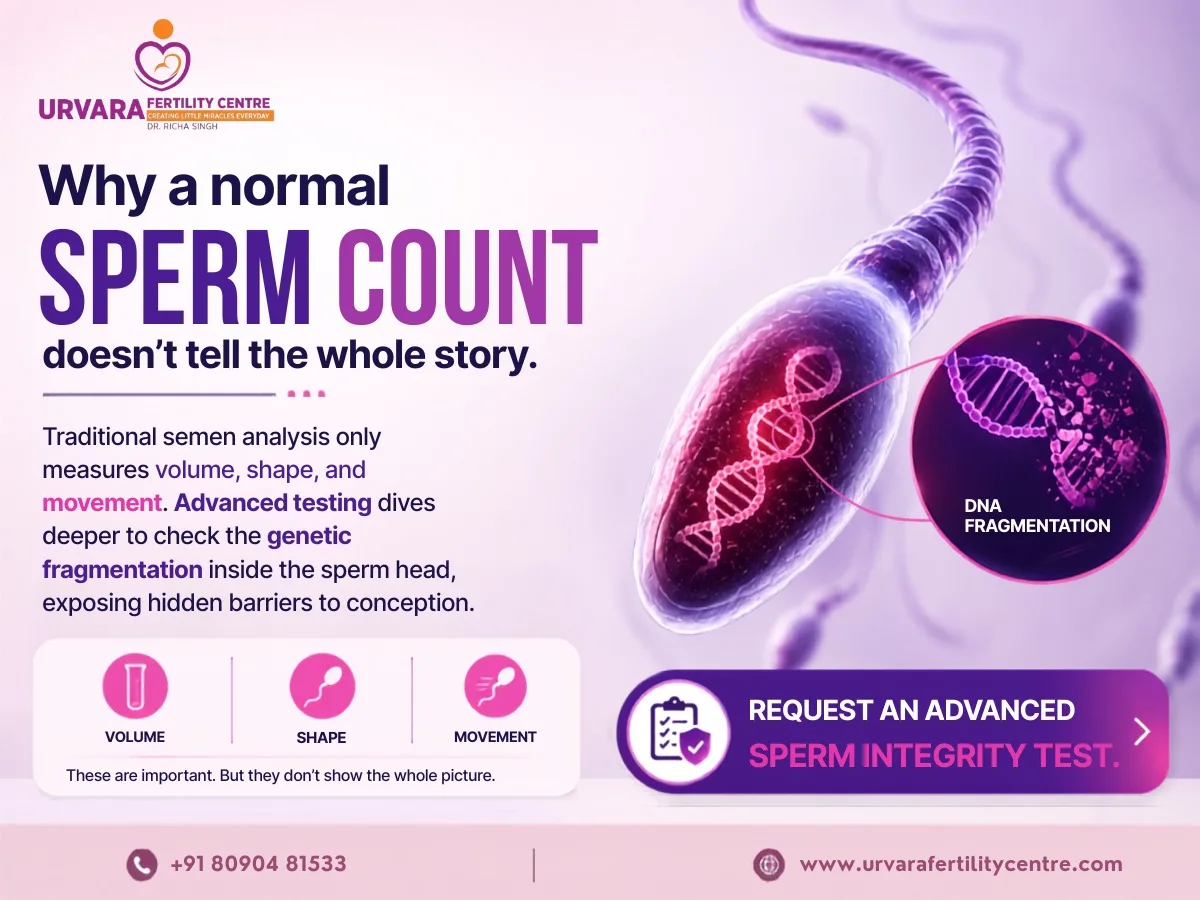
A semen analysis is usually the first test for male fertility evaluation. It assesses:
- Sperm concentration
- Motility
- Morphology
- Semen volume
- Presence of infection or inflammation
Because sperm production takes about 2–3 months, lifestyle changes may take time to affect results.
Initial Fertility Testing
Basic fertility evaluation may include:
For Women
- Pelvic ultrasound
- Hormone blood tests
- Ovulation tracking
- Tubal patency testing (HSG)
- Assessment of uterine cavity
For Men
- Semen analysis
- Hormonal testing if indicated
- Physical examination by a urologist or andrologist
Lifestyle Factors That Affect Fertility
Fertility is influenced not only by medical conditions but also by daily habits.
Important factors include:
- Maintaining a healthy body weight
- Balanced nutrition
- Regular sleep
- Stress management
- Avoiding smoking and excessive alcohol
- Limiting exposure to environmental toxins
- Moderate exercise
Excessive stress alone is rarely the sole cause of infertility, but chronic stress can affect hormonal regulation and overall well-being.
Natural Conception vs Assisted Reproductive Technologies
Some couples conceive naturally after treatment or lifestyle changes, while others may benefit from assisted reproductive technologies (ART), including:
- Ovulation induction
- Intrauterine insemination (IUI)
- In vitro fertilization (IVF)
- ICSI (intracytoplasmic sperm injection)
- Use of donor eggs or sperm in specific cases
The appropriate approach depends on age, diagnosis, duration of infertility, and personal preferences.
Questions Many People Ask Early in the Journey
- Why am I not getting pregnant if my cycles are regular?
- How long should we try naturally?
- Which fertility tests should be done first?
- Does age affect fertility more than lifestyle?
- How do I choose a fertility clinic or specialist?
- What should we do before IVF?
These are common and important questions, and discussing them with qualified specialists can help create a clearer plan and reduce uncertainty.
Emotional and Practical Support
The fertility journey can involve uncertainty, repeated testing, and emotional strain. Many people find support through:
- Fertility counseling
- Patient communities and forums
- Support groups
- Open communication with partners and healthcare providers
Learning about fertility step by step often helps people feel more informed and prepared for decisions ahead.