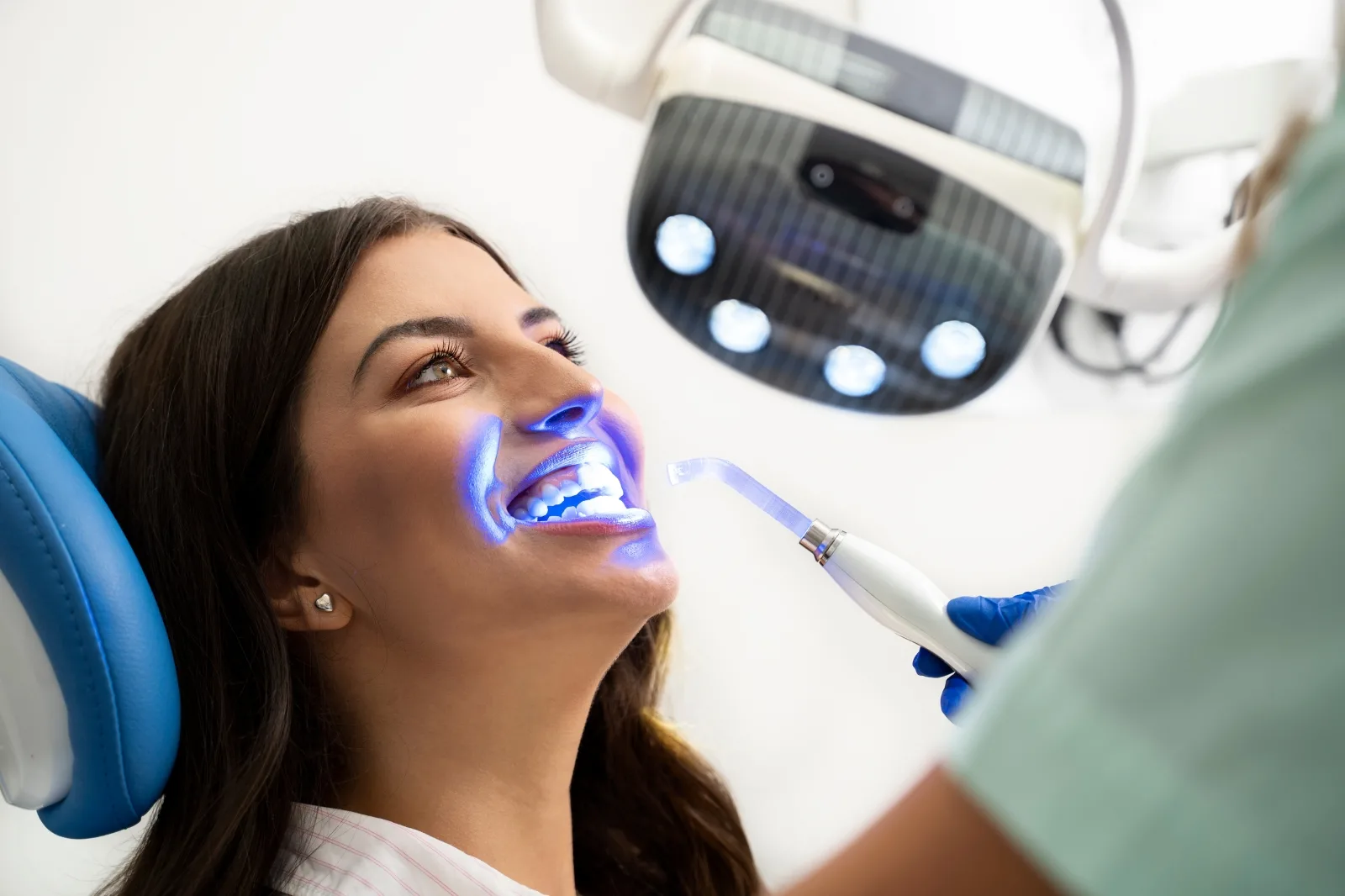
A bright smile often leaves a lasting impression, which is why many people search for teeth whitening near me when they start noticing stains or dullness. But is teeth whitening actually worth it, or is it just another cosmetic trend? The answer depends on your expectations, lifestyle and the type of results you are hoping to achieve.
Understanding Teeth Discolouration
Before deciding on whitening, it helps to understand why teeth lose their brightness in the first place. Discolouration can happen gradually and is often linked to everyday habits.
Common Causes of Staining
Teeth can become stained due to:
- Regular consumption of coffee, tea or red wine
- Smoking or tobacco use
- Poor oral hygiene
- Natural ageing, which thins enamel and exposes darker dentine
Some stains sit on the surface, while others go deeper into the tooth structure. This difference plays a big role in how effective whitening treatments can be.
How Teeth Whitening Works
Teeth whitening treatments are designed to lighten the shade of your teeth by removing stains and discolouration. Most methods use bleaching agents that break down stain molecules, making teeth appear brighter.
Professional Whitening
Professional treatments, typically done in a clinical setting, tend to deliver faster and more noticeable results. These procedures are carefully monitored, ensuring both safety and effectiveness.
At-Home Options
At-home whitening kits are also widely available and can be convenient for those who prefer a gradual approach. However, results may take longer and vary depending on the product and consistency of use.
Benefits of Teeth Whitening
Teeth whitening is popular for a reason. When done correctly, it offers several noticeable benefits.
Boost in Confidence
A whiter smile can make you feel more confident in social and professional settings. Many people find themselves smiling more freely after whitening.
Quick and Noticeable Results
Compared to other cosmetic dental treatments, whitening is relatively quick. Some treatments can show visible improvement in a short time.
Non-Invasive Approach
Unlike procedures that involve reshaping or altering teeth, whitening is non-invasive. It focuses purely on improving colour without changing the structure of your teeth.
Are There Any Downsides?
While teeth whitening has clear advantages, it is not without limitations.
Temporary Sensitivity
Some people experience mild tooth sensitivity after whitening. This is usually temporary and settles within a few days.
Results May Vary
Not all stains respond equally to whitening. Deep or intrinsic stains may not lighten as much as surface stains.
Maintenance Is Required
Whitening is not permanent. Over time, teeth can become stained again, especially if dietary habits remain unchanged. Occasional touch-ups may be needed to maintain results.
Is Teeth Whitening Right for You?
Teeth whitening can be a worthwhile option, but it is not a one-size-fits-all solution. Your suitability depends on several factors.
Consider Your Goals
If you are looking for a noticeable but natural improvement, whitening can be a great choice. However, if you expect perfectly uniform results, you may need to explore other options.
Check Your Oral Health
Healthy teeth and gums are essential before undergoing any whitening treatment. Issues like cavities or gum disease should be addressed first.
Lifestyle Matters
Your daily habits can influence how long the results last. Limiting staining foods and maintaining good oral hygiene can help preserve a brighter smile.
Tips to Maintain Whitened Teeth
Once you achieve your desired shade, keeping your smile bright becomes the next priority.
Watch What You Eat and Drink
Reducing intake of staining beverages like coffee and tea can make a noticeable difference. Using a straw for drinks can also help minimise contact with teeth.
Maintain Oral Hygiene
Brushing twice daily, flossing and regular dental check-ups are essential for maintaining both oral health and the results of whitening.
Stay Consistent
Consistency is key. Small habits, when followed regularly, can help prolong the effects of whitening treatments.
Final Thought
Teeth whitening can be a valuable way to enhance your smile, especially if you are looking for a simple and non-invasive improvement. While it is not a permanent fix, the confidence and aesthetic boost it offers make it worthwhile for many people. The key is to have realistic expectations and maintain good oral care habits to enjoy longer-lasting results.
FAQs
1. How long does teeth whitening last?
Results can last anywhere from a few months to a couple of years, depending on your lifestyle and oral care routine.
2. Is teeth whitening safe?
Yes, when done correctly and under proper guidance, teeth whitening is generally safe for most people.
3. Does teeth whitening damage enamel?
When used as directed, whitening products do not damage enamel. Overuse, however, should be avoided.
4. Can everyone get their teeth whitened?
Not everyone is a suitable candidate. People with certain dental conditions or restorations may need alternative options.
5. How often can you whiten your teeth?
This depends on the method used, but most people only need occasional touch-ups rather than frequent treatments.