If you're dealing with chronic pain, nerve discomfort, or an old injury that just won't heal, you may have come across neural injection therapy as a possible solution. It sounds promising but before trying any new treatment, it's natural to ask one important question: is it safe?
In this article, we'll break down everything you need to know about the safety of neural injection therapy, including how it works, what the risks are, and how to find qualified neural therapy providers. Let's get into it.
What Is Neural Injection Therapy?
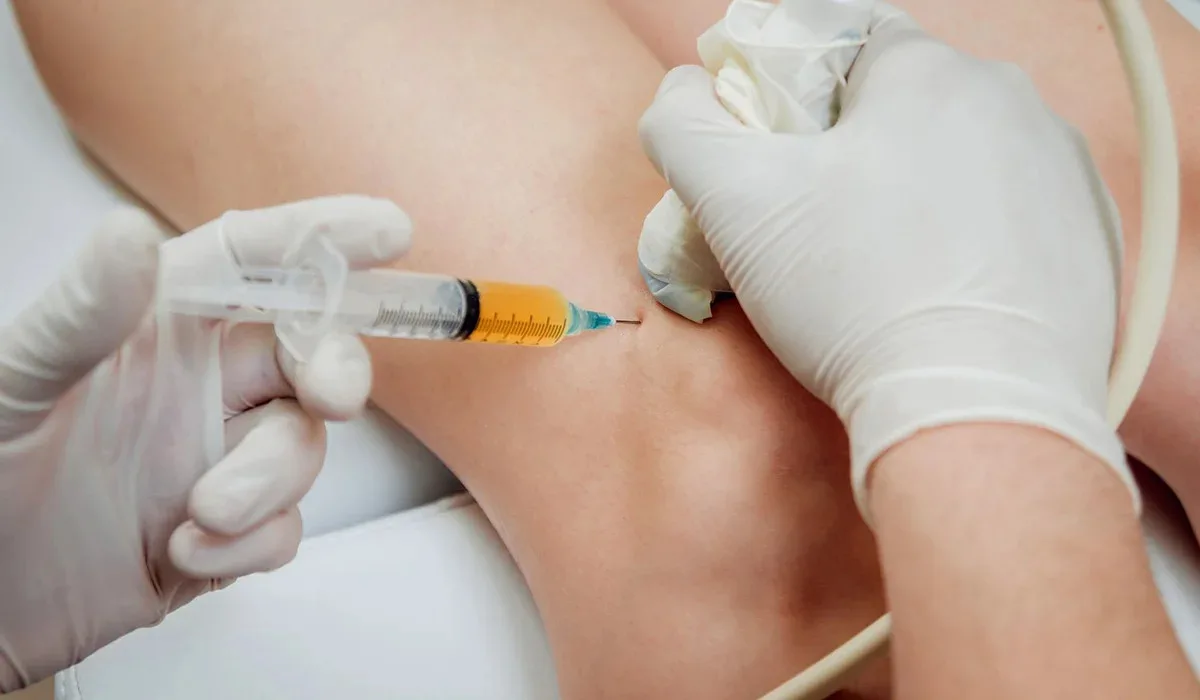
Neural injection therapy, often simply called neural therapy, is a treatment approach that uses small injections of local anesthetic (usually procaine or lidocaine) into specific points in the body. These points can include scars, nerves, trigger points, or areas linked to the autonomic nervous system.
The idea behind neural therapy is simple: the body sometimes develops "interference fields" areas of disrupted electrical signaling caused by old injuries, scars, or chronic irritation. These interference fields can block the body's natural healing process and contribute to ongoing pain, even in areas far from the original injury.
A related technique, perineural injection therapy (also known as perineural injections), focuses specifically on injecting a low-dose dextrose solution around irritated peripheral nerves just under the skin. This method is often used for conditions like chronic joint pain, nerve entrapment, and soft tissue injuries.
Both approaches fall under the broader umbrella of neural therapy, and both are generally considered minimally invasive.
How Safe Is Neural Injection Therapy?
The short answer: when performed by a trained, licensed provider, neural injection therapy is generally considered safe.
Here's why:
1. It Uses Minimal, Targeted Doses
Neural therapy and perineural injections rely on very small amounts of solution often just enough to reach the targeted nerve or tissue. This reduces the risk of systemic side effects compared to treatments that require larger doses of medication.
2. The Substances Used Are Well-Studied
Local anesthetics like procaine have been used in medicine for over a century. Dextrose, used in perineural injections, is a naturally occurring sugar solution that the body metabolizes easily. Neither substance is considered experimental.
3. It's Minimally Invasive
Unlike surgery, neural injection therapy doesn't require incisions, general anesthesia, or extended recovery time. Most people can resume normal activities shortly after a session.
4. Sessions Are Typically Well-Tolerated
Many patients report only mild, temporary discomfort at the injection site similar to a typical injection. Serious complications are rare when the therapy is administered correctly.
What Are the Possible Risks?
No medical treatment is completely risk-free, and neural injection therapy is no exception. Understanding the potential side effects can help you make an informed decision.
Common, mild side effects may include:
- Slight bruising at the injection site
- Temporary soreness or tenderness
- Mild swelling
- A brief feeling of lightheadedness
Rare but possible risks include:
- Allergic reaction to the anesthetic (uncommon, but always disclose allergies beforehand)
- Infection at the injection site (minimized with proper sterile technique)
- Nerve irritation from improper injection placement
The key factor that separates a safe experience from a risky one almost always comes down to who is performing the treatment. This is why choosing the right provider matters so much.
Why Choosing the Right Neural Therapy Provider Matters
Because neural injection therapy involves precise injections near nerves and sensitive tissue, proper training is essential. Reputable neural therapy providers typically have:
- A background in medicine, chiropractic care, naturopathy, or a related licensed field
- Specific training or certification in neural therapy or perineural injection techniques
- A clear understanding of human anatomy and nerve pathways
- A track record of following sterile injection protocols
Before booking a session, it's reasonable and encouraged to ask a potential provider about their training, experience, and how many similar treatments they've performed. A qualified provider will welcome these questions.
Who Should Be Cautious About Neural Injection Therapy?
While many people tolerate neural therapy well, certain individuals should talk to their doctor first, including those who:
- Are pregnant
- Have bleeding disorders or take blood-thinning medication
- Have known allergies to local anesthetics
- Have active infections near the treatment area
- Are managing complex chronic health conditions
A responsible provider will always review your medical history before beginning treatment.
How to Make Your Treatment Safer
If you're considering neural injection therapy, here are a few simple steps to protect yourself:
- Choose a licensed, experienced provider. Don't be afraid to ask about their credentials.
- Share your full medical history, including allergies and current medications.
- Start with a consultation rather than jumping straight into treatment.
- Ask questions about what solution will be used and why.
- Monitor how you feel after your first session before committing to a full treatment plan.
The Bottom Line
Neural injection therapy including techniques like perineural injection therapy is generally regarded as a safe, minimally invasive option for many people dealing with chronic pain or nerve-related discomfort. As with any treatment, the safety largely depends on proper technique, appropriate patient screening, and the skill of the provider performing it.
If you're curious whether neural therapy might be right for you, the best next step is a conversation with a qualified provider who can evaluate your specific situation and answer any remaining questions.
Frequently Asked Questions
1. Is neural injection therapy painful?
Most people feel only mild discomfort, similar to a standard injection. The needles used are typically very fine, and any soreness usually fades within a day.
2. How long do the effects of neural therapy last?
This varies by person and condition. Some feel relief after one session, while others need a series of treatments for longer-lasting results.
3. Are perineural injections the same as regular pain injections?
Not exactly. Perineural injections target small nerves just under the skin using a dextrose solution, while many traditional pain injections use steroids or numbing agents deeper in the tissue.
4. How do I find a qualified neural therapy provider near me?
Look for licensed practitioners with specific training in neural therapy or perineural injection techniques, and don't hesitate to ask about their certifications and experience during a consultation.