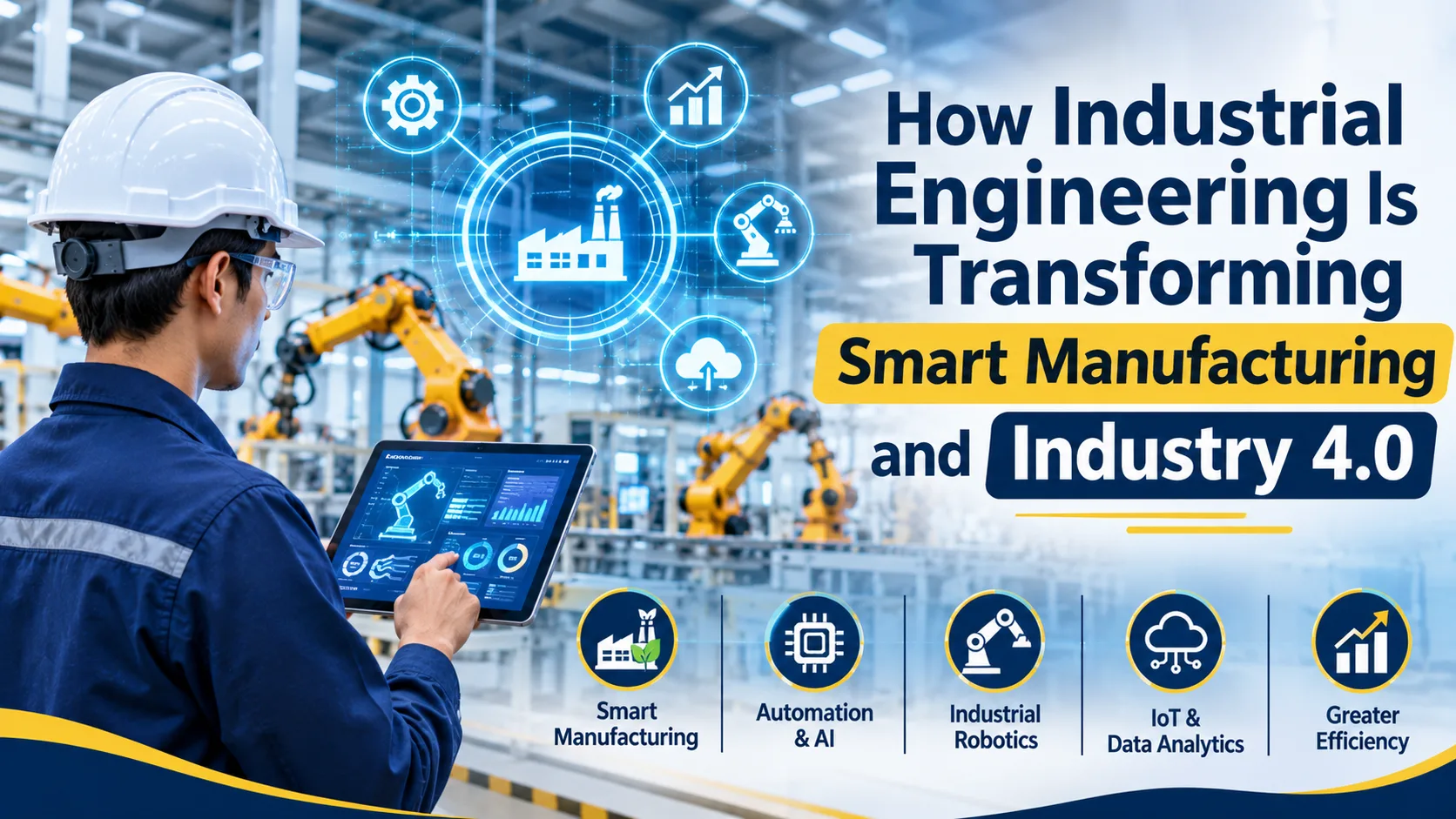
Choosing the right engineering course after completing Class 12 is an important decision for students who want to build a successful career in technology and innovation. Among the various engineering disciplines, mechanical engineering continues to offer exciting opportunities across manufacturing, automotive, robotics, aerospace, energy and emerging technologies.
In 2027, industries are increasingly adopting automation, artificial intelligence, smart manufacturing and sustainable engineering practices. These developments are creating new career possibilities for students interested in designing, developing and improving machines and industrial systems. Pursuing B.E. Mechanical Engineering can help students develop the technical knowledge and practical skills required to work in these evolving industries.
But is mechanical engineering still a good career choice in 2027? Let's explore its scope, essential skills, career opportunities and future prospects.
1. Why Is Mechanical Engineering Still Relevant in 2027?
Mechanical engineering is one of the fundamental branches of engineering, focusing on the design, analysis, manufacturing and maintenance of mechanical systems. From automobiles and industrial machinery to renewable energy equipment and advanced robotics, mechanical engineers contribute to the development of technologies used in everyday life.
The growing adoption of advanced manufacturing technologies has further increased the importance of mechanical engineering. Industries are looking for professionals who can combine traditional engineering knowledge with modern digital tools.
Some important developments driving the field include:
- Industrial Automation: Automated production systems are improving manufacturing efficiency and reducing manual intervention.
- Electric Vehicles: The growth of electric mobility is increasing demand for expertise in vehicle design, thermal management and mechanical systems.
- Robotics: Robotics and intelligent machines are transforming manufacturing, healthcare and logistics.
- Renewable Energy: Wind turbines, solar energy systems and other sustainable technologies require mechanical engineering expertise.
- Smart Manufacturing: Connected machines, sensors and data-driven systems are changing industrial production.
These developments make mechanical engineering a relevant option for students interested in technology, innovation and problem-solving.
2. What Skills Are Required to Become a Mechanical Engineer?
A successful mechanical engineer needs a combination of technical knowledge, analytical thinking and practical problem-solving abilities. Students pursuing B.E. Mechanical Engineering should focus on developing skills that match the requirements of modern industries.
Some important skills include:
Computer-Aided Design (CAD): CAD software helps engineers create accurate 2D drawings and 3D models of mechanical components and products.
Computer-Aided Manufacturing (CAM): CAM technologies support manufacturing processes by connecting digital designs with production equipment.
Programming and Automation: Basic knowledge of programming, robotics and automation can help mechanical engineers work with advanced industrial systems.
Analytical and Problem-Solving Skills: Engineers must identify technical challenges, analyse possible solutions and improve the performance of machines and systems.
Communication and Teamwork: Mechanical engineers often collaborate with professionals from electrical, civil, software and other engineering disciplines.
Developing these skills during undergraduate education can help students become better prepared for internships, projects and professional opportunities.
3. Career Opportunities After Mechanical Engineering
One of the major advantages of mechanical engineering is the variety of industries in which graduates can build their careers. The knowledge gained through B.E. Mechanical Engineering can be applied across traditional engineering sectors as well as emerging technology-driven industries.
Some promising career opportunities include:
- Mechanical Design Engineer: Designs and develops mechanical components, products and equipment.
- Production Engineer: Oversees manufacturing operations and works to improve production efficiency.
- Quality Control Engineer: Ensures that products and manufacturing processes meet required quality standards.
- Automotive Engineer: Contributes to vehicle design, development, testing and manufacturing.
- Maintenance Engineer: Ensures the reliable operation of industrial machinery and equipment.
- Robotics Engineer: Works on robotic systems, automation technologies and intelligent machines.
- Thermal Engineer: Focuses on heating, cooling, energy conversion and thermal management systems.
Graduates can explore opportunities in automotive manufacturing, aerospace, industrial equipment, energy, infrastructure, research and development, and other sectors.
4. How Technology Is Transforming Mechanical Engineering
Technology is changing the way mechanical engineers design products, manage production and solve industrial challenges. Modern engineering workplaces increasingly combine mechanical expertise with digital technologies.
Some important technological advancements include:
Artificial Intelligence and Machine Learning: AI-based systems can support predictive maintenance, production planning and quality inspection.
3D Printing: Additive manufacturing enables engineers to develop complex components and prototypes with greater design flexibility.
Digital Twins: Virtual representations of physical machines and industrial systems help engineers monitor performance and test improvements.
Internet of Things (IoT): Connected sensors and machines provide real-time information that supports efficient industrial operations.
Advanced Robotics: Automated robotic systems are improving precision, productivity and workplace safety.
Students who gain exposure to these technologies during their studies can better understand the changing expectations of modern engineering industries.
5. Higher Education and Specialisation Opportunities
Mechanical engineering graduates can also pursue postgraduate education to develop specialised knowledge and improve their career prospects.
Some popular postgraduate specialisations include:
- Industrial Engineering
- Manufacturing Engineering
- Thermal Engineering
- Design Engineering
- Mechatronics
- Automotive Engineering
- Robotics and Automation
For graduates interested in production planning, process optimisation, quality management and industrial operations, an M.E. in Industrial Engineering can be a valuable postgraduate pathway.
Choosing a specialisation based on individual interests and long-term career goals can help students build expertise in a particular engineering domain.
6. Why Choose the Right College for Mechanical Engineering?
Selecting a good engineering college is an important step towards building a strong technical foundation. Students should look beyond the course name and consider the academic environment, laboratory facilities, practical learning opportunities and industry exposure.
When evaluating colleges offering B.E. Mechanical Engineering, students should consider the following factors:
- Experienced faculty members with relevant academic and industry knowledge.
- Well-equipped laboratories and practical learning facilities.
- Opportunities to participate in technical projects and workshops.
- Exposure to modern design and manufacturing technologies.
- Internship opportunities and industry interaction.
- Career guidance, skill development and placement support.
A learning environment that combines classroom education with hands-on experience can help students develop the confidence and technical capabilities needed for professional engineering careers.
7. Study Mechanical Engineering at Kumaraguru College of Technology
For students exploring undergraduate engineering options, Kumaraguru College of Technology (KCT), Coimbatore, offers a B.E. Mechanical Engineering programme designed to build a strong foundation in mechanical engineering concepts and applications.
The programme provides students with an opportunity to understand important engineering principles and explore the role of mechanical engineering in modern industries.
Students interested in pursuing B.E. Mechanical Engineering can explore the programme details, curriculum and academic opportunities available at KCT.
Learn more about the programme: https://kct.ac.in/programmes/mechanical-engineering/
Conclusion
Mechanical engineering continues to be an important discipline in 2027, with opportunities across manufacturing, automotive, robotics, renewable energy and advanced industrial technologies. As industries adopt smarter and more sustainable solutions, the demand for engineers with strong technical knowledge and adaptable skills is expected to evolve.
For students who enjoy designing machines, understanding how systems work and solving real-world engineering problems, mechanical engineering can be a rewarding educational and career pathway.
By choosing the right college, developing industry-relevant skills and gaining practical experience, students can prepare themselves for a wide range of professional opportunities in the engineering sector.
Also check - Is Mechanical Engineering a Good Career Choice in 2027? Skills, Scope and Job Opportunities