Homeowners often consider artificial grass after getting tired of constant mowing, watering, and lawn repairs. The big question usually isn’t whether it looks good, but whether the cost makes sense.
Artificial grass costs can feel high at first glance, but the real picture becomes clearer once you understand what you’re paying for and what you stop paying for afterward.
The Upfront Investment Explained
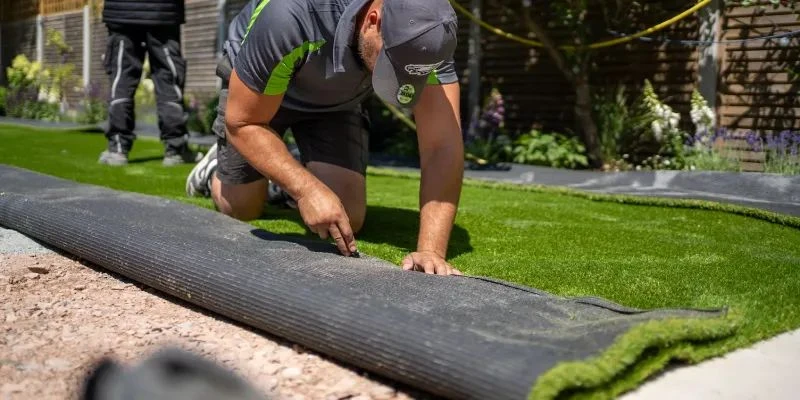
Installing artificial grass isn’t simply placing turf over soil. A successful installation focuses on creating a stable surface that lasts for years.
Most projects involve:
- Clearing the existing lawn or surface
- Building a compacted foundation
- Installing drainage layers
- Cutting and shaping the turf
- Securing seams and edges
This preparation work is what allows artificial grass to maintain its appearance without sinking or developing uneven spots.
Why Prices Differ From One Lawn to Another
Two homes with the same lawn size can still have very different installation costs. That difference usually comes down to site conditions.
Common pricing influences include:
- Ground unevenness or soil condition
- Amount of excavation required
- Type and realism of turf selected
- Garden layout and edging details
- Installer experience and workmanship
A straightforward backyard installation will always cost less than a space filled with curves, slopes, or obstacles.
Typical Cost Expectations
Although pricing varies, most residential installations fall within general ranges:
- Standard residential turf: $6 to $12 per square foot
- Premium artificial lawn systems: $12 to $22+ per square foot
Higher-quality turf tends to hold its color and structure longer, reducing replacement costs later.
Where Artificial Grass Saves Money
Here’s where artificial grass changes the equation. Natural lawns require ongoing spending year after year.
With traditional grass, homeowners often pay for:
- Water consumption
- Lawn mowing services or equipment
- Fertilisers and pest treatments
- Seasonal repairs or reseeding
Artificial grass removes most recurring lawn expenses, turning maintenance into an occasional task rather than a routine cost.
Maintenance After Installation
Once installed, upkeep remains simple:
- Brush high-traffic areas occasionally
- Remove leaves or debris
- Rinse the surface when necessary
There’s no need for chemicals, irrigation systems, or weekly maintenance schedules.
Smart Planning Can Reduce Costs
Artificial grass doesn’t have to exceed your budget. Many homeowners lower expenses by:
- Preparing the area before installers arrive
- Choosing practical turf rather than luxury varieties
- Installing during slower landscaping seasons
- Comparing multiple professional quotes
Planning ahead often matters more than choosing the cheapest material.
The Bigger Picture
Artificial grass costs are best viewed as a long-term home improvement rather than a short-term expense. Instead of continuous lawn care spending, you invest once and enjoy consistent results for years.
For homeowners prioritising convenience, durability, and year-round curb appeal, artificial turf often proves to be a practical financial decision.