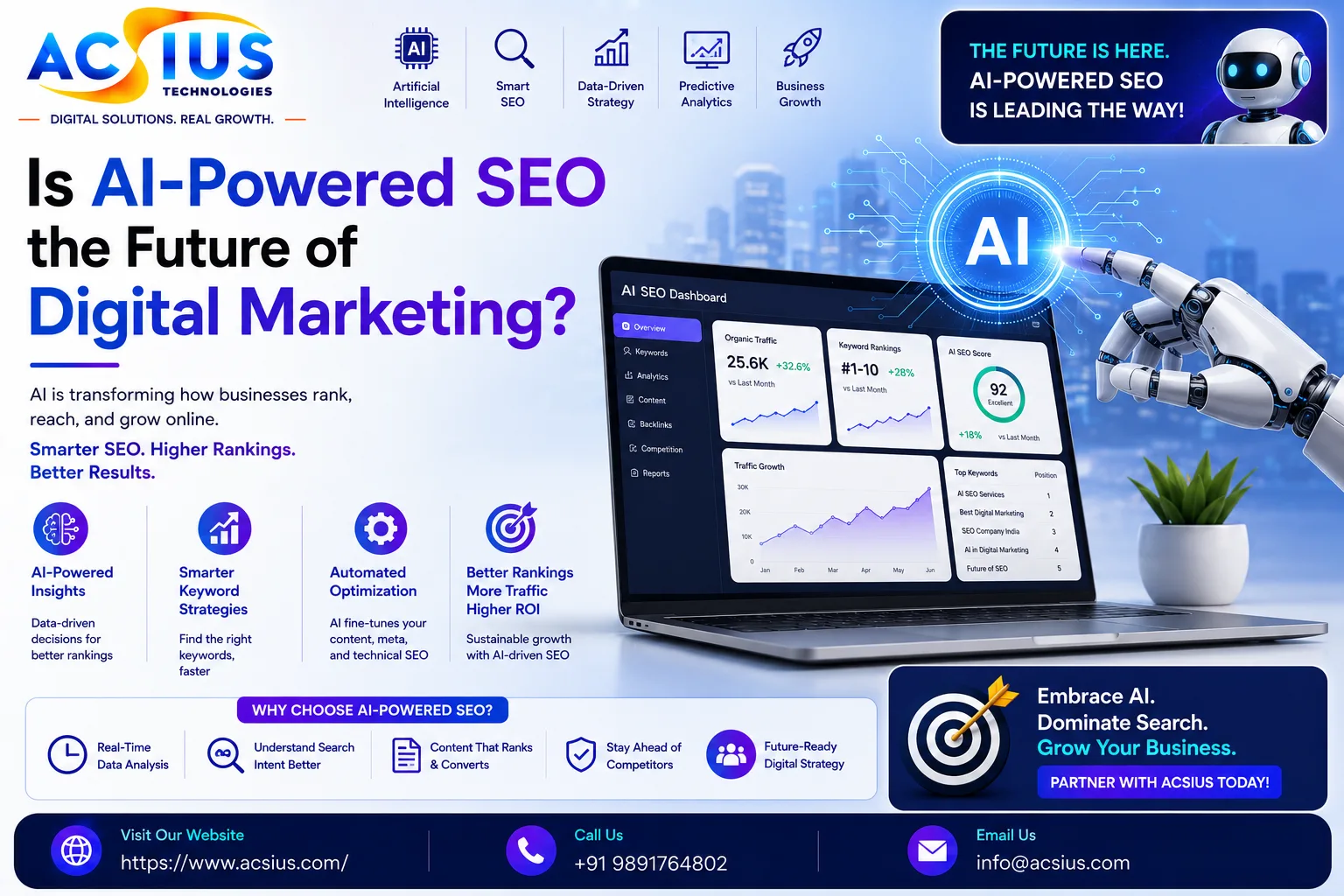
Artificial intelligence is reshaping the digital marketing landscape faster than ever before. From content creation and keyword research to search intent analysis and predictive optimization, AI has become an essential part of modern SEO strategies. Businesses that embrace AI-driven optimization are improving their online visibility, generating qualified leads, and staying ahead of competitors in increasingly competitive search results.
However, AI-powered SEO is not about replacing human expertise. Instead, it enhances the capabilities of SEO professionals by automating repetitive tasks, uncovering valuable insights, and helping marketers make smarter, data-driven decisions. As search engines continue to evolve with AI-driven algorithms, businesses need to adapt their SEO strategies to remain visible and relevant.
Companies looking to gain a competitive advantage are increasingly investing in AI SEO Services India to combine artificial intelligence with proven SEO techniques. These services help businesses optimize content, improve keyword targeting, analyze competitors, and create strategies that align with Google's evolving search algorithms while delivering a better user experience.
Why AI is Transforming SEO
Search engines have become much smarter in understanding user intent rather than simply matching keywords. AI technologies help search engines evaluate content quality, context, relevance, expertise, and user satisfaction. This shift means businesses must focus on creating valuable, informative, and engaging content instead of relying on outdated SEO tactics.
AI tools can analyze massive amounts of search data within minutes. They identify trending topics, recommend keyword opportunities, optimize website structure, and even predict future search behavior. This enables businesses to respond quickly to changing market trends and customer needs.
AI Improves Content Strategy
One of the biggest advantages of AI-powered SEO is content optimization. AI can help marketers discover what users are searching for, identify content gaps, and recommend improvements based on search intent.
Instead of producing content solely for search engines, businesses can create articles, landing pages, and guides that genuinely answer customer questions. This user-focused approach increases engagement, reduces bounce rates, and improves search rankings over time.
High-quality content supported by AI insights also helps establish topical authority, making websites more trustworthy in the eyes of both users and search engines.
The Continued Importance of Organic SEO
While AI is changing how SEO is performed, the fundamentals of search optimization remain the same. Technical optimization, high-quality content, website speed, mobile responsiveness, internal linking, and authoritative backlinks continue to play a critical role.
Businesses that combine AI technology with Organic SEO Services achieve more sustainable long-term growth. Organic SEO builds lasting search visibility, helping websites attract qualified traffic without relying entirely on paid advertising. AI simply makes these optimization efforts more efficient and data-driven.
Benefits of AI-Powered SEO
Businesses adopting AI-driven SEO strategies often experience several advantages, including:
- Faster keyword research and competitor analysis.
- Better understanding of user search intent.
- Improved content optimization.
- Automated technical SEO audits.
- Enhanced website performance insights.
- Smarter internal linking recommendations.
- Data-driven content planning.
- Higher organic traffic potential.
- Improved conversion opportunities.
These benefits allow marketing teams to spend more time on strategy and creativity while AI handles repetitive analysis.
How AI Supports Better User Experience
Google increasingly rewards websites that provide an excellent user experience. AI helps identify usability issues that may negatively affect rankings, including slow loading pages, poor navigation, duplicate content, and weak internal linking structures.
AI also analyzes user behavior, helping businesses understand where visitors leave the website, which pages perform best, and what improvements can increase engagement. These insights contribute to stronger SEO performance while creating a better experience for customers.
AI Cannot Replace Human Expertise
Although AI can automate many SEO tasks, it cannot replace human creativity, industry expertise, or strategic thinking. Successful SEO campaigns still require experienced professionals who understand audience behavior, business goals, branding, and content quality.
Human writers create authentic experiences, compelling storytelling, and trustworthy information that AI alone cannot consistently deliver. The most effective digital marketing strategies combine AI efficiency with human expertise.
The Future of Digital Marketing
AI-powered SEO will continue to become more advanced as search engines improve their understanding of natural language and user behavior. Businesses that invest early in AI-assisted optimization will likely enjoy stronger online visibility, increased website traffic, and higher conversion rates.
Future SEO strategies will focus more on personalized search experiences, conversational queries, voice search optimization, AI-generated search results, and comprehensive topical authority. Companies that continuously adapt to these changes will remain competitive in an evolving digital marketplace.
Conclusion
AI-powered SEO is no longer a future trend—it is already transforming digital marketing. While artificial intelligence streamlines keyword research, content optimization, technical analysis, and performance tracking, long-term success still depends on delivering valuable content and exceptional user experiences. Businesses that successfully combine AI innovation with proven SEO best practices are well-positioned for sustainable online growth. ACSIUS helps businesses leverage advanced AI technologies alongside expert SEO strategies to improve search rankings, drive qualified traffic, and achieve measurable digital marketing success.