Getting Better Sound From a Home Studio
Recording music, creating podcasts, or recording voice-overs at home can be challenging when your room produces unwanted echoes or makes your voice sound unclear. Furniture, wall surfaces, room size, and background noise all influence recording quality. Acoustic foam is one option for managing sound reflections and creating a more controlled recording environment. However, before covering your walls with panels, it helps to understand what this material can do, where it works best, and when other acoustic improvements may be necessary.
How Foam Helps Control Room Echoes
When sound travels through a room, it reflects off hard surfaces such as walls, ceilings, windows, and floors. These reflections can overlap with the original sound, making recordings seem hollow, distant, or unclear.
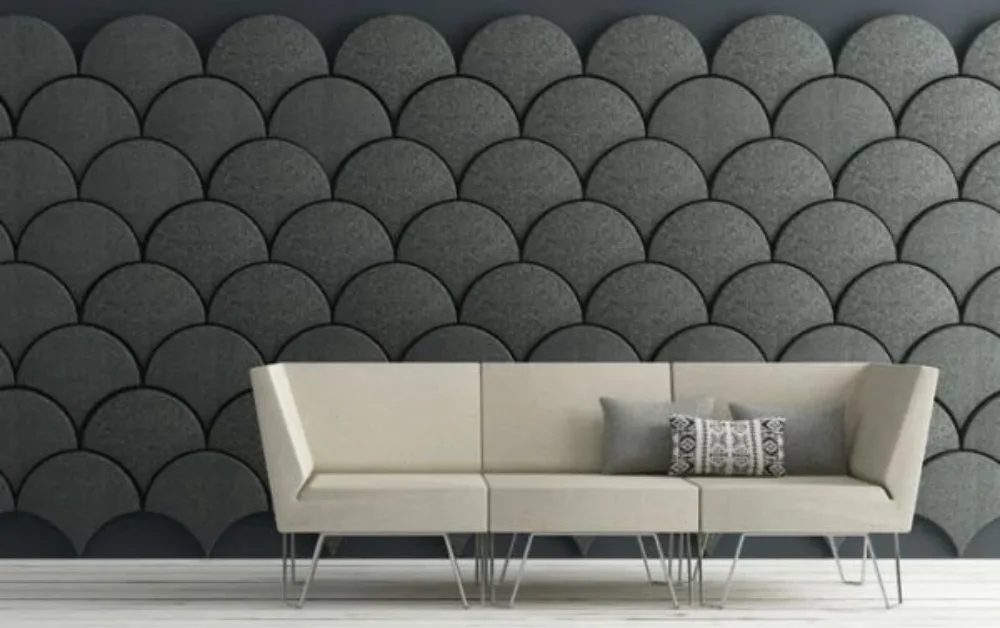
Foam panels absorb some of the sound energy that reaches their surfaces, helping reduce reflections and excessive reverberation. This can make spoken words easier to understand and help vocals sound cleaner during recording. The improvement depends on the room's dimensions, panel thickness, coverage, and placement.
For a home studio used for podcasts, online presentations, or voice recording, treating the areas that produce strong reflections can be a useful starting point.
What Acoustic Foam Cannot Fix
Although sound absorption is useful, it is important to distinguish it from soundproofing. Foam panels mainly help control reflections inside a room; they do not effectively block loud traffic, construction noise, or sounds coming through thin walls and windows.
Understanding the Difference Between Absorption and Soundproofing
Soundproofing aims to reduce sound travelling between spaces. Achieving this usually requires measures such as sealing air gaps, improving door and window performance, or adding suitable insulation and structural layers.
If outside noise is affecting your recordings, installing foam alone is unlikely to solve the problem. Identifying whether you are dealing with internal echoes or sound entering from elsewhere will help you choose a more effective solution.
Where to Place Panels for Better Results
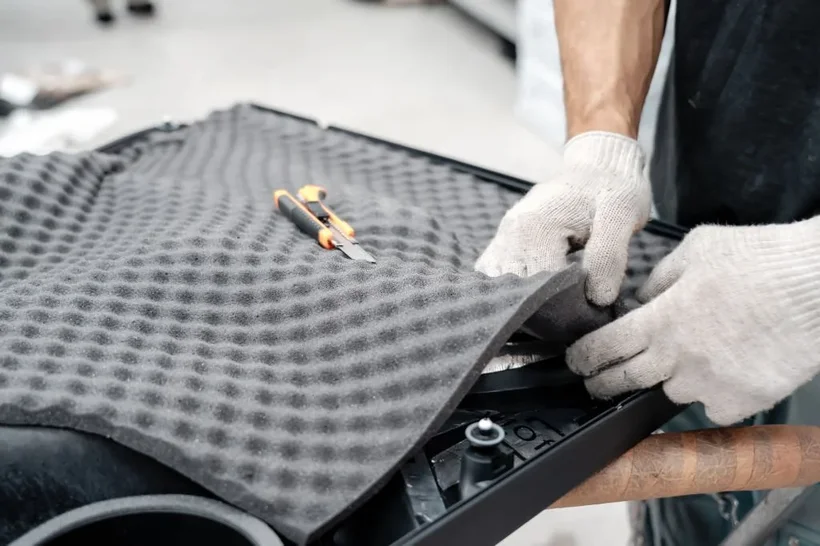
Panel placement can make a noticeable difference without requiring you to cover every wall. Start by identifying surfaces that reflect your voice or instrument sound directly towards your recording position. Side walls near the recording area and selected sections behind or around the microphone may be useful locations, depending on the room layout.
Keep Your Recording Space Balanced
Adding too much absorption in the wrong places can make a room sound unnaturally dull, while leaving important reflective areas untreated may allow echoes to remain. A balanced arrangement is usually more useful than choosing panels based only on appearance.
Consider your recording setup, microphone position, desk, speakers, and available wall space before installing anything. In rooms used for music production, low-frequency problems may also require different treatments because thin foam panels are generally less effective at controlling deep bass.
Choosing Materials That Suit Your Needs
Before purchasing panels, compare their thickness, dimensions, absorption performance, durability, and installation requirements. Choose products intended for indoor acoustic applications and check their fire-safety specifications, particularly when installing them in enclosed spaces containing electrical equipment.
You should also consider how the room will be used. A small podcast corner may need a different treatment plan from a home studio used for instruments, mixing, and vocal recording.
Also Read:- Are Acoustic Panels Suitable for Modern UAE Spaces?
Conclusion
A home studio can benefit from carefully selected sound-absorbing materials when echoes and reflections affect recording clarity. The best results come from understanding your room, placing treatments strategically, and recognising when soundproofing is needed instead. Perfect Acoustics can help you explore suitable acoustic options for your recording space. Contact the team to discuss your requirements and create a more controlled environment for your audio projects.