Kayak trips should feel fun, not stressful. Loading gear onto a Jeep often sparks debate. Some drivers trust foam blocks and loose straps. Others prefer a solid setup built for the job. A Jeep kayak rack offers a clean and secure way to haul boats without second-guessing every mile. Still, budget and habit push some owners toward cheaper options.
Each method works in certain cases. However, safety, ease, and long-term value matter on real roads. Before hitting the highway, it helps to compare how each option performs during daily use, rough weather, and long drives.
Understanding the Three Transport Options
Jeep owners usually choose between three setups. A dedicated rack mounts to the roof or crossbars. Foam blocks sit between the kayak and the roof. Straps wrap around doors or windows to hold everything down.
Each method carries a kayak from point A to point B. The real difference shows up during speed, wind, and sudden stops. Comfort during loading also plays a role. No one enjoys wrestling gear before sunrise.
Why a Jeep Kayak Rack Stands Out?
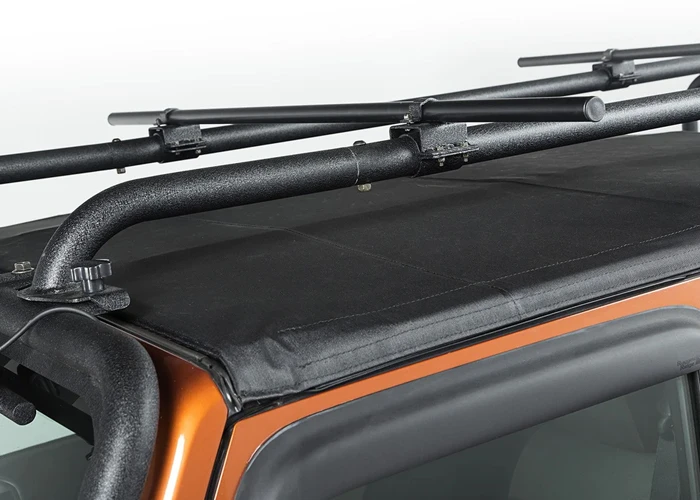
A rack built for kayaks offers structure and peace of mind. Steel or aluminum arms hold the boat in place. Padding protects the hull. Locking straps stay tight for hours.
Highway driving feels calmer. Wind noise drops. The kayak stays centered. Drivers avoid constant mirror checks. For long trips, a rack saves nerves and time. Loading becomes quick once muscle memory kicks in. Weekend warriors love the grab-and-go vibe.
Foam Blocks and Straps Pros and Cons
Foam blocks attract first-time buyers. They cost less. Storage stays easy. No drilling or tools required.
Problems start during real driving. Blocks can shift. Straps may loosen after rain or heat. Doors take pressure from tie-downs. Paint wear also happens over time. Short trips on calm roads feel fine. Long drives raise risk. Sudden braking can cause movement, which never feels good.
Safety on the Road
Safety should lead the decision. A secure system reduces the chance of accidents. A rack locks the kayak in place using solid anchor points. Foam blocks rely on tension alone.
During crosswinds, a rack holds firm. Straps alone may stretch. Drivers behind benefit from stable loads. Insurance companies also favor mounted systems during claims. Peace of mind carries real value.
Ease of Use and Daily Convenience
Convenience matters after a long paddle. Racks win here. Slide the kayak on. Strap it down. Drive off.
Foam setups need patience. Centering the boat takes effort. Adjusting straps often requires opening doors. Wet straps drip inside. Racks keep water outside where it belongs.
For frequent paddlers, a kayak rack for Jeep saves time every trip. Fewer steps mean more water time.
Cost Over Time
Foam blocks look cheap up front. Replacement happens often due to wear. Straps fray. Lost parts add up.
A rack costs more early on. Years of use balance the price. Many racks move from one Jeep to another. Resale value stays strong. Long-term ownership favors a proper system.
Vehicle Protection
Jeep roofs take abuse with foam setups. Pressure points can dent panels. Straps rub paint during movement. A rack spreads the weight evenly. Rubber padding guards surfaces. Fewer scratches appear over time. Owners who care about resale notice the difference fast.
Which Option Fits Your Lifestyle
Occasional paddlers on short drives may manage with foam. City speeds and calm roads help. Regular adventurers benefit from structure. A Jeep kayak rack suits highway travel, rough weather, and heavy boats. Families hauling multiple kayaks need racks to stay sane.
Jeep models vary. Crossbar style matters. Weight limits also matter. Matching gear to driving habits leads to smarter choices.
Final Thought
Kayak transport should feel solid and stress-free. Foam blocks work in a pinch. Straps offer flexibility. Still, a well-built kayak rack for Jeep delivers safety, speed, and confidence mile after mile. For drivers who paddle often and travel far, a rack simply makes life easier.