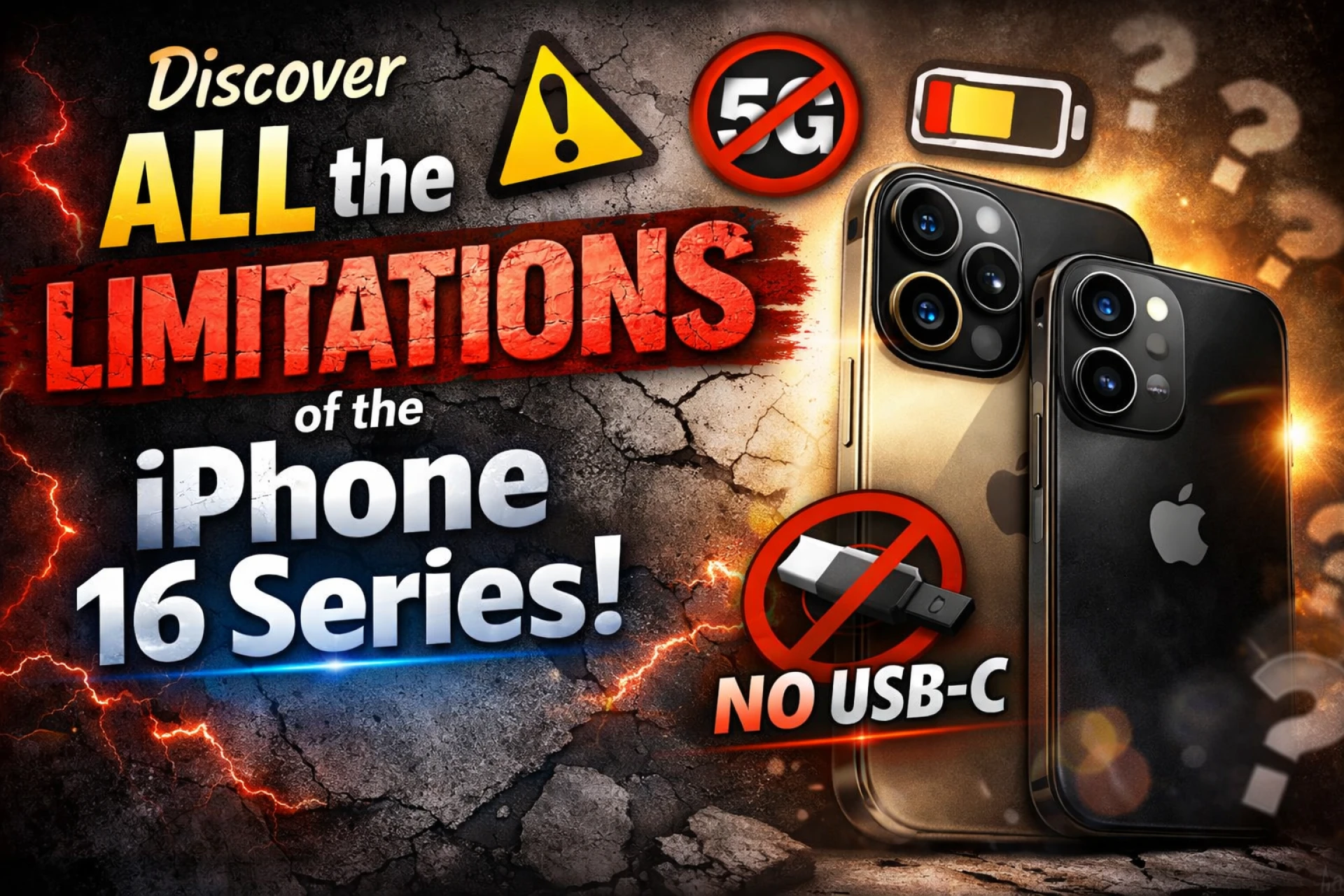
As we move deeper into 2026, the iPhone 16 series remains a popular choice for many users in India. However, two years of real-world usage have revealed specific vulnerabilities that potential buyers and current owners should consider. While Apple’s hardware is known for its longevity, the iPhone 16 lineup has a few specific "weak points" that have become more apparent with the release of newer software like iOS 26 and the general wear of daily use.
Display Refresh Rate Disparities
One of the most persistent criticisms of the base iPhone 16 and 16 Plus in 2026 is the 60Hz display. While Pro models enjoy fluid scrolling, the standard models still feel somewhat dated when compared to mid-range competitors. In a world where high refresh rates are the norm, the stutter in scrolling can be noticeable.
Furthermore, some users have reported that even the Pro models experience "refresh rate capping" under high heat or low battery conditions to preserve power. This can lead to a less-than-premium experience during intensive tasks. If you are looking for a more affordable way to experience the 120Hz ProMotion display without the launch-day price tag, many savvy shoppers are turning to an iphone 16 pro refurbished to get those high-end features at a better value.
Thermal Management and Throttling
The A18 and A18 Pro chips are undeniably powerful, but they generate significant heat during sustained workloads, such as 4K video recording or high-end gaming. In the warm climate of India, users often report that the iPhone 16 series can become uncomfortably hot.
When the device reaches a certain temperature, the system automatically throttles performance and dims the screen brightness. This is a safety feature, but it can be frustrating when you are in the middle of a task. EasyPhones often recommends using high-quality cases that allow for better heat dissipation to mitigate this issue.
Durability and Repair Complexity
Despite the Ceramic Shield marketing, the iPhone 16 series—particularly the Pro models with their thinner bezels—has shown a vulnerability to corner impacts. In 2026, repair costs for genuine Apple screens remain high. The shift toward more internal modularity has helped independent repair shops, but the "component pairing" software locks still make DIY repairs difficult.
For those who want to avoid the high depreciation of a brand-new unit while ensuring they have a sturdy device, buying a second hand iphone in india from a trusted source like EasyPhones is a smart move. This allows you to get a professionally inspected device with a warranty, providing peace of mind that a typical private sale lacks.
Battery Health Longevity Concerns
By 2026, many original iPhone 16 units are hitting their 500 to 800 charge cycle marks. While Apple promised improved battery chemistry, some users are seeing their maximum capacity drop to the 85-88% range faster than expected. This is often exacerbated by the use of high-wattage fast chargers, which generate more heat during the charging cycle.
Software updates like iOS 26 have introduced more background AI processing, which places a consistent drain on the battery. If you notice your device isn't lasting the full day anymore, it might be time to check your battery health settings or consider a trade-in.
Software Performance on Older Hardware
While the iPhone 16 was "built for Apple Intelligence," the latest 2026 software features are increasingly demanding. The 8GB of RAM in the base models, while sufficient at launch, is starting to feel the pressure of complex on-device AI models. Users occasionally report "app reloading" or slight lag when switching between heavy applications.
If you are currently using a base model and feeling the slowdown, upgrading to a Pro model can provide that extra RAM cushion needed for modern apps. For a budget-friendly transition, choosing an iphone 16 refurbished allows you to stay within the 16-series ecosystem while saving significantly on the purchase price.
Camera Control Button Learning Curve
The dedicated Camera Control button was a major selling point at launch, but in 2026, many users still find it "fiddly." The capacitive nature of the button can lead to accidental activations in the pocket or unintended zoom adjustments while trying to take a steady shot. While software updates have added sensitivity sliders, the physical placement remains a point of contention for those with smaller hands.