Home interiors in 2026 are moving beyond simply looking modern. Current design directions place greater emphasis on comfort, personality, craftsmanship, natural materials, flexible spaces, and homes that support everyday life. Recent trend reports from Architectural Digest, Houzz, and Indian design platform Livspace point toward warmer palettes, tactile materials, layered lighting, sustainability, multifunctional rooms, and more personalized interiors.
These trends do not mean every home needs a complete makeover. Instead, they offer ideas that can be adapted to different room sizes, lifestyles, budgets, and architectural styles.
1. Warm and Inviting Color Palettes
One of the noticeable shifts in 2026 is the continued move away from stark white and cool grey interiors toward warmer, more nuanced colors. Warm neutrals, earthy shades, terracotta, brown, sage, and other nature-inspired tones are being incorporated into residential interiors.
Cream, beige, warm white, clay, muted green, and natural brown can make rooms feel comfortable without overwhelming them.
How to Use Warm Colors
You do not necessarily need to repaint the entire house. Warmth can be introduced through:
- Accent walls
- Upholstery
- Rugs
- Curtains
- Cushions
- Wooden furniture
- Artwork
- Decorative accessories
Using different shades of the same color can also create a layered and sophisticated appearance.
2. Natural Materials Take Center Stage
Natural materials continue to have an important role in 2026 modern interiors. Wood, stone, clay, linen, plaster, bamboo, jute, and other organic materials add texture and warmth to residential spaces.
Rather than using natural materials only as decorative accents, designers are increasingly incorporating them into larger architectural and furniture elements.
Wood for Warmth
Wood can be used for:
- Flooring
- Wall paneling
- Cabinets
- Furniture
- Ceilings
- Built-in storage
The natural grain and texture of timber can soften contemporary interiors and work with both modern and traditional design approaches.
3. Sustainability Becomes Part of Everyday Design
Sustainability is increasingly being treated as a practical design consideration rather than simply a decorative concept. Current 2026 trend reports highlight reclaimed materials, vintage furniture, locally made products, responsibly sourced wood, low-VOC finishes, and durable materials.
The emphasis is increasingly on buying fewer pieces that can last longer and selecting materials with consideration for their environmental impact.
Designing More Sustainably
Homeowners can consider:
- Reusing existing furniture
- Choosing durable materials
- Buying vintage or reclaimed pieces
- Selecting responsibly sourced wood
- Using energy-efficient lighting
- Choosing low-emission paints and finishes
- Supporting local craftsmanship
This approach can also create interiors with more character and individuality.
>>> Interior Designers In Chennai
4. Texture-Rich Interiors
Flat, uniform interiors are giving way to spaces with multiple layers of texture. Current design coverage highlights tactile surfaces, including textured fabrics, natural stone, wood, plaster, ceramics, and handcrafted finishes.
A room does not need dozens of decorative objects to achieve this effect.
For example, a living room might combine a linen sofa, wooden coffee table, textured rug, ceramic accessories, and stone or plaster wall treatment.
The result can feel visually interesting while remaining relatively simple.
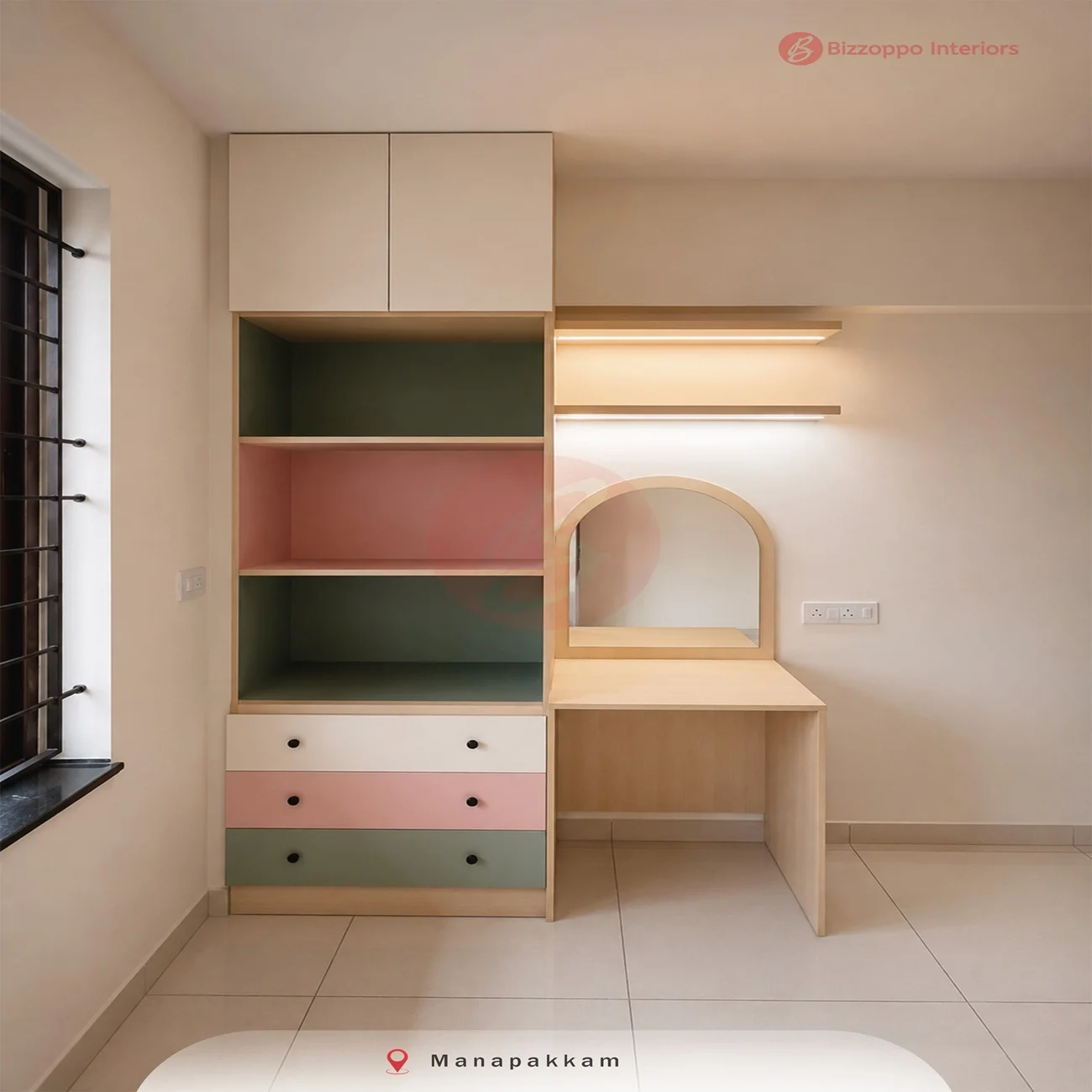
5. Curves and Soft Geometry
Curved furniture and architectural details continue to gain attention in 2026. Houzz's 2026 search data shows growing interest in rounded forms and soft geometry, including curved islands, curved peninsulas, scalloped tiles, and arched kitchen elements.
Curves can soften rooms dominated by straight lines.
Where to Use Curves
Consider introducing rounded forms through:
- Sofas
- Armchairs
- Coffee tables
- Mirrors
- Kitchen islands
- Shelving
- Doorways
- Decorative lighting
A few carefully selected curved elements can be enough to change the character of a room.
6. Layered and Flexible Lighting
Lighting is becoming increasingly important to the overall experience of an interior. Instead of relying on one central ceiling fixture, 2026 approaches emphasize layers of ambient, task, and accent lighting. Livspace also highlights concealed lighting, tunable systems, wall lighting, and daylight integration.
Three Useful Lighting Layers
Ambient lighting provides general illumination.
Task lighting supports activities such as reading, cooking, studying, or working.
Accent lighting highlights artwork, architectural details, shelves, or interior decorator features.
This approach allows the atmosphere of a room to change according to the time of day and activity.
7. Multifunctional Rooms
Homes are increasingly expected to accommodate several activities within the same space. Flexible rooms, movable partitions, modular furniture, foldaway workspaces, and adaptable storage are among the directions identified for 2026.
A spare bedroom, for example, can function as both a guest room and home office.
Similarly, a dining area can provide workspace when required.
Designing for Flexibility
Useful solutions include:
- Foldable desks
- Sliding partitions
- Modular sofas
- Storage benches
- Extendable dining tables
- Movable furniture
- Built-in storage
The goal is to make rooms adaptable without making them feel temporary or cluttered.
8. Personalized and Collected Interiors
A major theme emerging in 2026 is the move toward homes that tell the story of the people who live in them. Architectural Digest describes greater interest in storytelling, meaningful objects, collected pieces, and interiors that feel lived in rather than perfectly staged.
This can mean displaying family photographs, books, travel objects, artwork, antiques, handmade ceramics, or inherited furniture.
Why Personal Details Matter
Personal objects can give a home an identity that cannot be achieved by purchasing an entire matching furniture collection.
Combining older pieces with contemporary furniture can also create a more layered and individual interior.
9. Minimal Maximalism
Minimalism and maximalism are not necessarily opposites in 2026. An emerging approach combines a relatively restrained foundation with expressive materials, artwork, textures, and carefully selected decorative pieces. Livspace describes this direction as "minimal maximalism."
Instead of filling every surface with objects, homeowners can create visual richness through a smaller number of distinctive pieces.
For example, a neutral living room might feature one sculptural chair, a textured rug, an expressive artwork, and handcrafted accessories.
10. Craftsmanship and Handmade Details
Handcrafted elements are gaining attention as homeowners seek interiors with authenticity and character. Current trend reporting highlights handmade finishes, artisanal objects, hand-painted surfaces, ceramics, and details that reveal the human touch.
Indian homes can particularly benefit from incorporating local craft traditions.
Handmade textiles, cane furniture, carved wood, pottery, metalwork, and regional artwork can add individuality while connecting the interior to local culture.
11. Wood Paneling and Architectural Woodwork
Wood is increasingly being used as an architectural material rather than only as furniture. Wood paneling, ceilings, integrated storage, and built-in features are among the directions identified in 2026 trend coverage.
Wood can be used to create:
- TV walls
- Bedroom headboards
- Kitchen cabinetry
- Feature ceilings
- Room dividers
- Built-in wardrobes
- Study walls
The key is to choose a finish and quantity appropriate for the room so the material adds warmth without visually overwhelming the space.
12. Wellness-Focused Home Spaces
The relationship between interior design and wellbeing continues to influence home planning. Houzz's 2026 trends include wellness-oriented spaces, while Architectural Digest's 2026 forecast also identifies specialized wellness spaces as an area of residential interest.
Wellness does not necessarily require a dedicated luxury room.
A comfortable reading corner, meditation area, home exercise zone, balcony garden, or naturally lit bedroom can contribute to a more relaxing home environment.
13. Nature-Inspired Interiors
Biophilic design continues to evolve beyond simply placing a few plants in a room. Natural light, ventilation, wood, stone, organic textures, indoor greenery, and connections to outdoor spaces can all contribute to a nature-inspired interior.
For urban homes, even small interventions can make a difference.
Consider:
- Indoor plants
- Natural fabrics
- Wooden finishes
- Stone surfaces
- Large windows
- Indoor gardens
- Balcony greenery
- Nature-inspired artwork
14. Warm Stainless Steel and Contemporary Kitchens
Kitchen design is also evolving. Architectural Digest India identifies stainless steel paired with warm timber as a notable contemporary kitchen direction for 2026.
The combination works because the reflective, professional quality of stainless steel can be balanced by the warmth of wood.
This approach can be adapted through stainless-steel appliances, hardware, countertops, or selected cabinetry combined with timber or wood-look finishes.
15. Decorative Details Make a Return
While simple interiors remain popular, 2026 design is also making room for decorative details such as fringe, tassels, patterned fabrics, aged metals, and expressive surfaces. Homes & Gardens' 2026 trend reporting highlights softer metallic finishes, tactile fabrics, decorative trims, and more playful patterns.
These elements can be introduced in small doses.
A fringed cushion, aged-metal lamp, patterned chair, or decorative textile can add personality without requiring a complete change in the room.
How to Apply 2026 Trends Without Overdoing Them
Following every trend at once can make an interior feel visually inconsistent. Instead, select a few ideas that suit your lifestyle and existing architecture.
For example, a contemporary apartment could combine:
- Warm neutral walls
- Natural wood furniture
- Layered lighting
- One curved accent piece
- Indoor plants
- Handmade accessories
A larger home could incorporate stronger patterns, architectural woodwork, textured walls, or more dramatic colors.
The most useful trends are those that improve how a home looks and how it functions.
Final Thoughts
Interior designers in chennai is increasingly focused on homes that feel warm, personal, functional, tactile, and connected to everyday life. Current trend reports point toward natural materials, warmer colors, layered textures, curved forms, multifunctional spaces, sustainability, craftsmanship, personalized décor, and improved lighting.
Rather than treating these ideas as strict rules, homeowners can adapt them according to their space, budget, climate, and personal preferences. A successful interior does not need to follow every emerging trend. It should create a comfortable environment that reflects the people who live there while remaining practical for everyday use.