
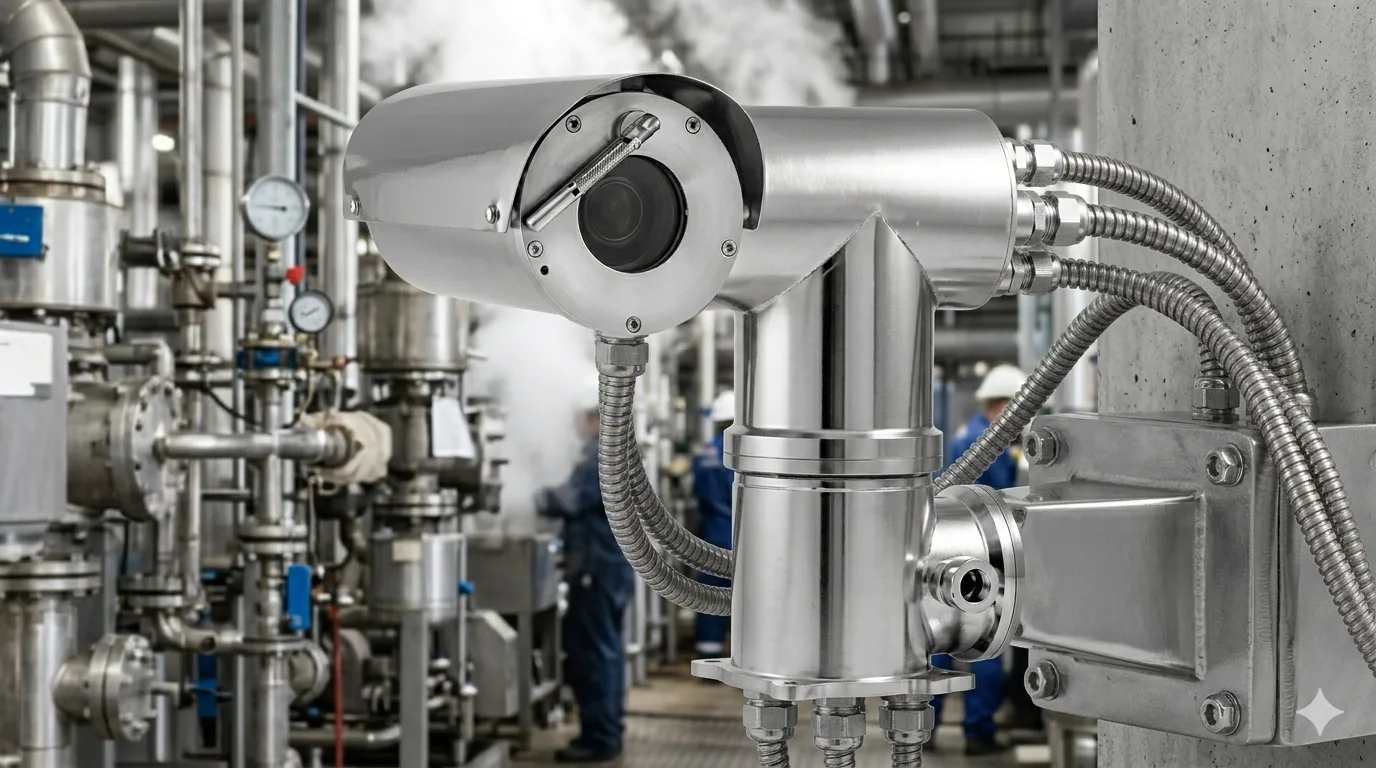
Across the United Kingdom, industrial facilities are under increasing pressure to enhance safety, ensure regulatory compliance, and optimise operational visibility. Many businesses already rely on conventional CCTV systems, but when operations expand into hazardous zones—such as chemical storage areas, oil processing units, or confined industrial environments—standard cameras are no longer sufficient.
This is where integrating an explosion-proof PTZ camera into existing surveillance infrastructure becomes essential. However, retrofitting these advanced systems into legacy CCTV networks is not without its challenges. From compatibility issues to environmental constraints, successful integration requires careful planning and technical understanding.
Why Integration Matters in Modern Industrial Environments
Replacing an entire CCTV system is often costly and disruptive. Integration offers a smarter alternative, allowing businesses to enhance safety without overhauling their existing infrastructure.
Key benefits of integration include:
- Cost efficiency by leveraging existing systems
- Improved safety coverage in hazardous zones
- Centralised monitoring across all environments
- Scalability for future expansion
By incorporating an explosion proof ptz camera, industries can extend their surveillance capabilities into high-risk areas while maintaining operational continuity.
Understanding the Role of Explosion-Proof Cameras
An atex ptz camera is specifically designed for use in explosive atmospheres, ensuring safe operation without the risk of igniting flammable gases or dust.
Core capabilities include:
- Sealed, rugged enclosures for hazardous environments
- Pan-Tilt-Zoom functionality for flexible monitoring
- Remote operation to minimise human exposure
- Compliance with UK and European ATEX regulations
These features make explosion-proof cameras a critical addition to industrial CCTV systems.
Key Integration Challenges to Consider
1. Compatibility with Existing Systems
One of the most common challenges is ensuring that the new explosion-proof ptz camera is compatible with the existing Video Management System (VMS) and network infrastructure.
Considerations:
- Support for standard protocols such as ONVIF
- Integration with current recording and storage systems
- नेटवर्क bandwidth requirements
Choosing a camera that aligns with existing technology reduces complexity and integration time.
2. Power and Connectivity Constraints
Hazardous zones often have strict regulations regarding electrical installations. Running power and data cables into these areas requires specialised solutions.
An explosion proof ptz camera with ir can be integrated using:
- Explosion-proof junction boxes
- Fibre optic connections for सुरक्षित data transmission
- Power-over-Ethernet (PoE) where applicable
Proper planning ensures safe and reliable connectivity without compromising compliance.
3. Environmental and Installation Challenges
Industrial environments can be harsh, with exposure to dust, moisture, chemicals, and extreme temperatures. Retrofitting cameras into such conditions requires careful site assessment.
An explosion proof zoom ir camera is designed to withstand:
- Corrosive environments
- High vibration levels
- Extreme weather conditions
However, installation must still consider optimal positioning, mounting stability, and حماية against environmental stress.
4. Integration with Monitoring and Control Systems
Modern industrial facilities often use integrated control rooms for monitoring operations. Ensuring that explosion-proof cameras feed seamlessly into these systems is crucial.
Key integration points:
- Real-time video feeds into central dashboards
- Alarm and event-triggered notifications
- Integration with safety and automation systems
An atex ptz camera enhances situational awareness when fully integrated into these platforms.
Best Practices for Seamless Integration
To overcome retrofit challenges and maximise performance, industries should follow a structured approach:
Conduct a Detailed Site Survey
Assess hazardous zones, existing infrastructure, and coverage gaps to determine optimal camera placement.
Choose Compatible Equipment
Select an explosion-proof ptz camera that supports open standards and integrates easily with current systems.
Prioritise Compliance
Ensure all components, including cabling and enclosures, meet ATEX and UK safety regulations.
Plan for Scalability
Design the system to accommodate future expansion without major modifications.
Work with Experienced Integrators
Professional expertise ensures proper installation, configuration, and compliance.
Applications Across Key UK Industries
Warehousing
- Integrating cameras in hazardous storage zones
- Monitoring inventory and safety compliance
Industrial Manufacturing
- Enhancing surveillance in high-risk production areas
- Reducing downtime through better visibility
Oil & Gas
- Extending CCTV coverage to explosive zones
- Monitoring pipelines and processing units
Maritime
- Integrating cameras into shipboard and port systems
- Ensuring safety in fuel handling areas
Automotive
- Upgrading surveillance in paint booths and assembly lines
- Preventing ignition risks in volatile environments
Across all these sectors, the explosion proof ptz camera strengthens safety and operational control.
Key Benefits at a Glance
- Enhanced safety in hazardous environments
- Cost-effective upgrade to existing systems
- Improved visibility and monitoring capabilities
- Compliance with ATEX and UK regulations
- Surveillance infrastructure
Conclusion
Integrating an explosion-proof PTZ camera into existing CCTV systems is a strategic move for UK industries looking to enhance safety without incurring the cost of a complete system overhaul. While challenges such as compatibility, connectivity, and environmental constraints must be addressed, a well-planned integration can deliver significant benefits.
By combining advanced technologies like explosion proof ptz camera with ir and explosion proof zoom ir camera with existing infrastructure, businesses can achieve comprehensive surveillance coverage across both standard and hazardous zones. This not only improves operational efficiency but also ensures compliance with stringent safety regulations.
For organisations aiming to future-proof their surveillance systems and minimise risks, integrating explosion-proof cameras is a practical and forward-thinking solution. To explore more about advanced functionalities and technical specifications, read the blog post: Explosion Proof PTZ Camera Features.